

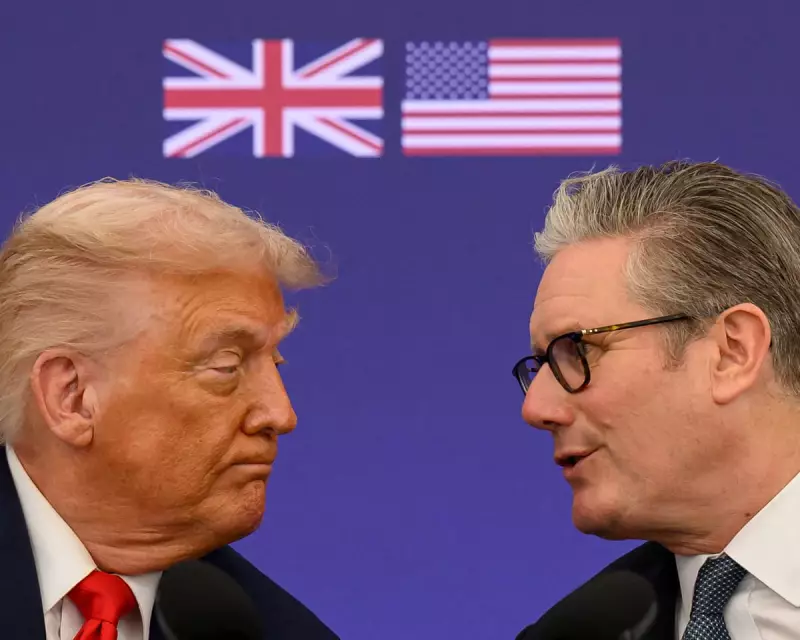
Starmer's 'Exasperation' with Trump Marks Turning Point in UK-US Relations
Prime Minister Keir Starmer's public expression of "exasperation" with Donald Trump's repeated criticisms of Britain represents a significant shift in the UK's approach to the special relationship with the United States. This development follows what Downing Street had previously described as a policy of "serious, calm, pragmatic, behind-the-scenes diplomacy" towards the Trump administration.
From Diplomacy to Direct Rebuttal
The prime minister's patience finally reached its limit this week after President Trump made two particularly contentious remarks about Britain. First came comments regarding the Chagos Islands, followed by more serious claims that UK troops "did not pull their weight" during the Afghanistan conflict. Starmer responded with a furious rebuttal, demanding an apology for what he called "insulting and frankly appalling" words from the unrepentant American president.
This represents the most strained period in UK-US relations since Trump took office last year, with Starmer appearing ready to draw a clear line about what constitutes unacceptable commentary from an ally. The prime minister's shift from cautious diplomacy to direct confrontation reflects mounting political pressures within his own party and growing unease about the traditional special relationship.

Domestic Political Calculations
Many Labour MPs have expressed relief at Starmer's stronger stance, having long felt uncomfortable with what they perceived as overly sycophantic UK responses to Trump's provocations. This discomfort aligns with polling data showing the British public maintains significant reservations about the American president.
Starmer's approach also carries domestic political implications. With Andy Burnham considering a potential return to parliament through the Gorton and Denton byelection, standing up to Trump could strengthen Starmer's position against potential leadership challenges from the party's soft left. The prime minister's firmer stance plays well with both his domestic audience and party members who have advocated for a less deferential approach to the US administration.
International Gambles and European Opportunities
While the domestic benefits appear clear, No 10 acknowledges the international gamble involved in publicly challenging Trump. World leaders, businesses, and politicians globally remain cautious about provoking the president's unpredictable reactions to criticism.
However, Starmer's bolder approach coincides with significant developments on the international stage. Speeches from Canada's Mark Carney and France's Emmanuel Macron at Davos this week emphasized that middle-ranking nations must increasingly stand together in the current geopolitical climate.
The increasing distance from Washington creates both political peril and potential opportunity for Starmer's government. It opens space for renewed arguments about strengthening UK ties with Europe, with some Labour voices already urging the prime minister to counter American unpredictability and occasional hostility by pursuing closer defence and economic security cooperation with the European Union.
Political Divides and Public Opinion
This shift also establishes clearer political dividing lines with Reform UK. While Reform leader Nigel Farage acknowledged Trump was "wrong" about British troops in Afghanistan, his earlier comments suggesting Greenland would be safer under American control raised eyebrows and highlighted differing approaches to transatlantic relations.
Although Reform maintains a lead in current polling, Starmer's Labour now has an opportunity to articulate arguments favouring stronger European connections over alignment with Trump's America. After years of Brexit-dominated discourse, the British public may be more receptive to discussions about European cooperation than at any point in recent memory, particularly as concerns grow about American reliability under the current administration.
The coming months will reveal whether this moment of exasperation represents a temporary diplomatic spat or a fundamental reorientation of Britain's foreign policy priorities in an increasingly uncertain international landscape.






