Starmer's Trump Dilemma: Managing US Power Trumps International Law
Starmer's pivotal role in managing Trump for Europe

In a stark admission of geopolitical reality, a senior UK minister has laid bare the central challenge facing European leaders: the urgent need to manage Donald Trump outweighs the principle of defending international law. This dilemma defines the high-stakes summit in Paris on Tuesday, 6 January 2026, where Prime Minister Sir Keir Starmer is poised to play a pivotal role.

The Quiet Part Said Aloud

Health Secretary Wes Streeting, in a remarkably candid interview on BBC Radio 4's Today programme, articulated the tightrope the UK and Europe must walk. On one side is the commitment to a rules-based international order, recently shaken by the United States's military strike on Venezuela and the capture of its president, Nicolas Maduro – an act widely considered illegal.

On the other is the palpable fear of provoking the volatile Trump administration into rash actions that could severely harm European interests. The priority, as Streeting indicated, is not vocal condemnation but careful management.

Starmer as the Pivotal 'Trump Whisperer'

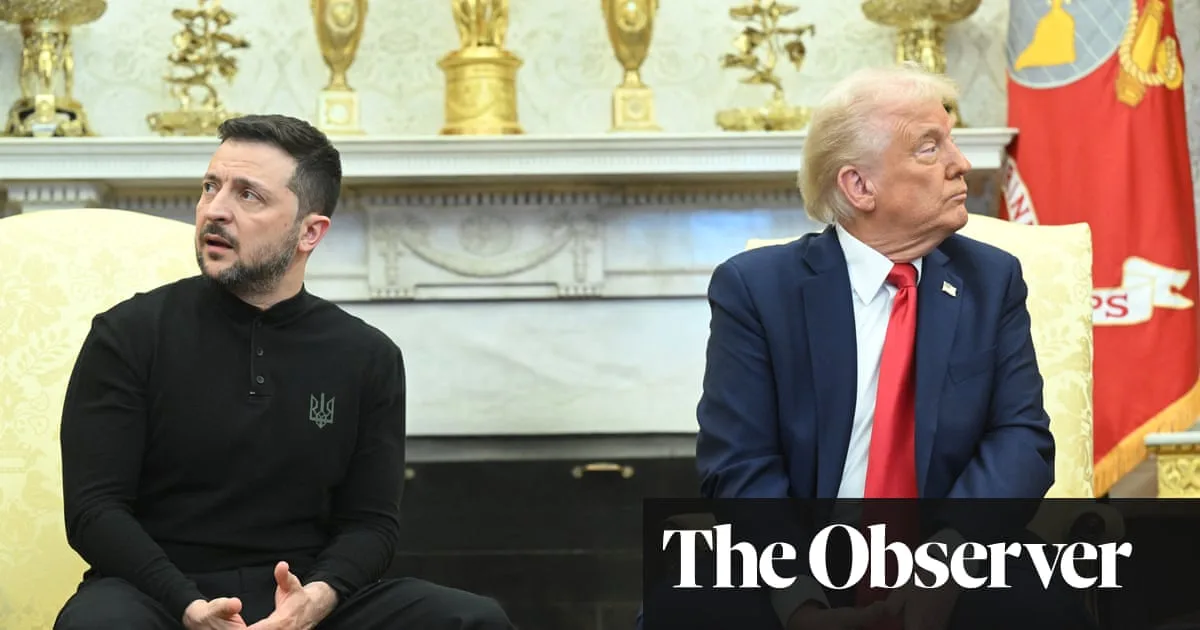
As Sir Keir meets with French President Emmanuel Macron and representatives of the Trump administration in Paris, his unique position is clear. European counterparts increasingly view the UK Prime Minister as a crucial intermediary – a 'Trump whisperer' capable of gaining a hearing from the US President and persuading him against his most erratic impulses.

Streeting explained the Prime Minister's cautious approach: "He always has at the forefront of his mind... how does he make sure that he uses his influence and leverage in a way that first and foremost, works to our national interest." This means balancing UK security and economic needs with the crumbling global rules-based system.

Beyond Venezuela: Looming Crises and European Weakness

The Venezuelan intervention, while a done deed with Maduro imprisoned, has set a dangerous precedent. A genuine fear now stalks European capitals: that Trump could order a similar incursion into Greenland, seizing the sovereign territory of a NATO ally and EU member.

The stark truth is that Europe's options are severely limited. Military confrontation with the US is unthinkable, and sweeping sanctions would be economically crippling. With US tariffs already biting, Europe and the UK desperately need more trade with America, not less. An attack on Greenland would likely result in diplomatic protest but little concrete action.

The Paris talks will also focus on forming a 'coalition of the willing' for Ukraine. European leaders recognise that only a US-brokered deal can bring peace with Russia, exposing the continent's military and political weakness. The challenge is to convince a Trump administration, weary of the war's economic cost, to adopt a firm stance against Vladimir Putin regarding European borders.

A Long-Term Turning Point

While the immediate goal is managing Trump, the Paris summit may mark a quieter, more profound shift. In the background, conversations will begin on how Europe can bolster its own military, security, and economic independence in a world where the United States is no longer a reliable partner.

For the UK, a decade after the EU referendum, this presents a fundamental strategic choice: forge a closer future with European allies or remain the sidekick to a belligerent and unpredictable America. For now, under Sir Keir Starmer's stewardship, the immediate task of diplomacy and delicate management takes precedence over all else.




