Starmer's Diplomatic Tightrope Over US-Iran Conflict Intensifies
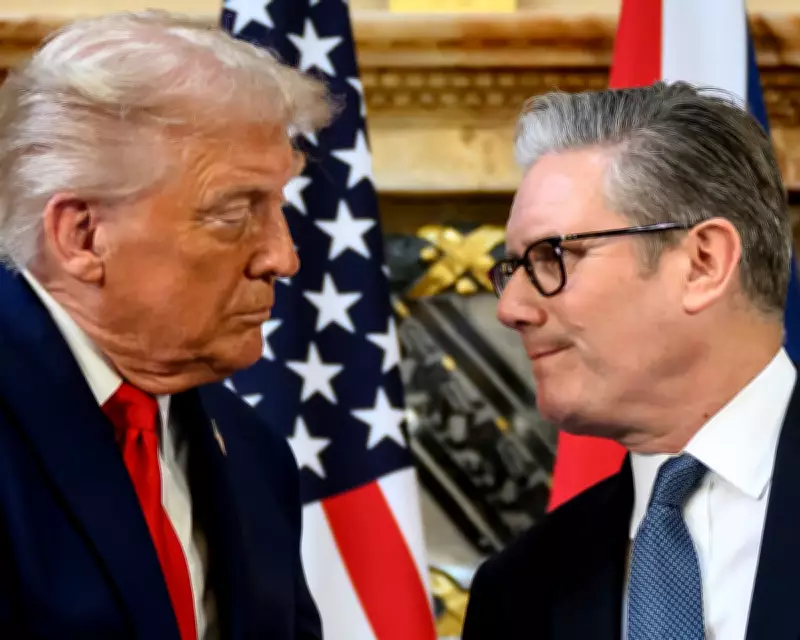
The photograph of Keir Starmer shaking hands with Donald Trump at Chequers last September now serves as a stark symbol of the Prime Minister's increasingly precarious diplomatic position. The notion that Starmer could act as a moderating influence on the unpredictable US president has been severely tested by recent events.
The Unraveling of the 'Trump Whisperer' Strategy
When Trump authorized missile strikes against Iran and sanctioned the assassination of its leader, the UK's refusal to allow American forces to use British military bases proved insufficient to deter the action. This development has exposed the limitations of Starmer's carefully cultivated relationship with the American administration.
The Prime Minister now occupies an uncomfortable middle ground, declining to endorse the controversial strikes that have received backing from allies like Canada and Australia, while simultaneously refusing to condemn them despite growing pressure from within his own party.

The UK's Ambivalent Official Position
Currently, the British government maintains that it played no role in the military action against Iran while expressing no sorrow over the death of Ayatollah Ali Khamenei, whose regime has consistently threatened Western interests. This fence-sitting stance is becoming increasingly difficult to sustain as political pressure mounts.
Defence Secretary John Healey demonstrated this difficulty during recent media appearances, struggling to articulate a clear moral or legal position on Trump's military actions when repeatedly questioned about the UK's stance.
The Historical Context of Starmer's Approach
Starmer's strategy of maintaining close ties with Trump has been consistent since the beginning of his premiership. His team celebrated enthusiastically when they secured a two-hour meeting with the then-presidential candidate in New York eighteen months ago, viewing positive comments from Trump about Starmer being "very nice" and "popular" as significant diplomatic achievements.
This approach has manifested in various ways, from arranging a state visit for Trump to refusing to criticize the controversial capture of Venezuelan President Nicolás Maduro. Even when fundamentally disagreeing with White House policies, Starmer has consistently avoided public confrontation that might anger the American president.
Mounting Domestic and International Pressure
The political calculus is shifting as criticism grows from multiple directions. The Green Party's Zack Polanski has labeled the Iran strikes illegal, while Liberal Democrats have called on Starmer to resist what they characterize as Trump's bullying tactics. Even within Labour's own ranks, frustration is mounting over the government's cautious approach.
Electoral consequences are already emerging, with Labour's dramatic loss of its substantial majority in the Gorton and Denton byelection partly attributed to voter dissatisfaction with Starmer's perceived reluctance to criticize Israel's actions in Gaza more forcefully.
The Fundamental Question of UK Foreign Policy
The central dilemma facing Starmer's government is whether maintaining the current course serves British national interests and international stability. Some within his party and on the progressive left have long advocated for a foreign policy reorientation that would see the UK align more closely with European partners while adopting a more robust stance toward American unilateralism.
Starmer previously asserted that the "special relationship" between the UK and US transcends whoever occupies the White House. However, the unique challenges posed by Trump's presidency may necessitate a strategic reassessment of this longstanding diplomatic principle.
The Prime Minister must now weigh whether continued alignment with Trump's administration remains politically sustainable domestically while serving Britain's broader international interests, or whether the time has come for a more independent foreign policy approach.