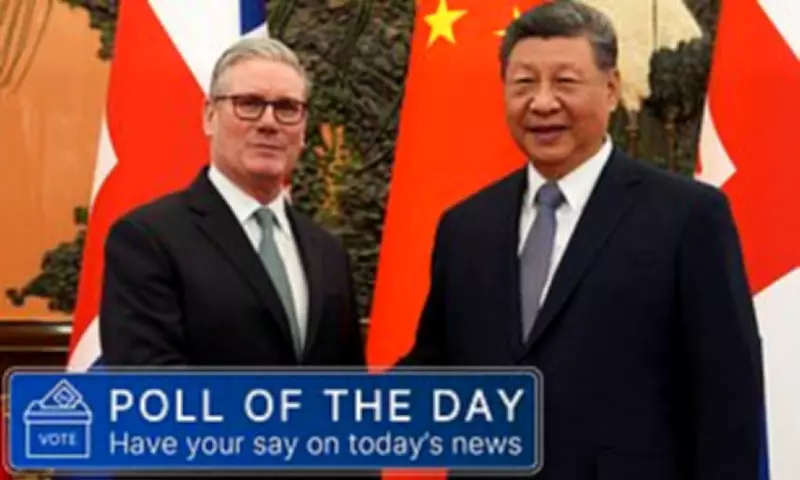
As Sir Keir Starmer embarked on his high-profile diplomatic mission to China, expectations were set for a potentially transformative chapter in UK-China relations. The Prime Minister's office had framed the discussions with President Xi Jinping as 'history-making', suggesting a major reset in bilateral ties that would yield substantial benefits for Britain.
A Modest Return on a Long Journey
Having travelled over 5,000 miles for these crucial talks, the tangible outcomes appear remarkably limited. The Prime Minister is returning with what critics describe as marginal agreements that fall far short of the ambitious promises made before departure. The concrete achievements secured include a halving of tariffs on whisky exports to China, a sector that represents a significant cultural and economic interest for the UK.
Additionally, the visit has resulted in the removal of visa requirements for British tourists and business travellers on short visits to China. While these developments may facilitate easier travel and commercial exchange, they represent incremental progress rather than the groundbreaking shift that was initially suggested.

Notable Failures on Sensitive Issues
More significantly, the Prime Minister failed to make headway on several critical human rights matters that have strained UK-China relations. Despite raising the case, Sir Keir was unable to secure any commitment from Chinese authorities regarding the release of British activist Jimmy Lai, whose detention has become a symbol of Beijing's approach to dissent.
Equally unsuccessful were attempts to lift sanctions imposed on British Members of Parliament who have publicly criticised China's human rights record. These sanctions have prevented several MPs from conducting business or travel related to China, creating diplomatic friction that the Prime Minister's visit was expected to address.
International Reactions and Domestic Polling
As Sir Keir continued his trip with a visit to Shanghai, international voices weighed in on the UK's engagement with China. US President Donald Trump issued a stark warning, suggesting it would be 'dangerous' for Britain to pursue closer business ties with Beijing, highlighting the complex geopolitical landscape surrounding such diplomatic overtures.
Meanwhile, domestic opinion continues to shape the political context of foreign policy decisions. In a recent Daily Mail poll, readers were asked whether they agreed with President Trump's threat of military action against Iran, with results showing 73% of more than 9,000 respondents supporting his position and 27% opposing it.
This public sentiment provides important background to the challenges facing British foreign policy as it navigates relationships with global powers like China while maintaining alliances with traditional partners.