Starmer's Diplomatic Mission to China Seeks to Reset Relations
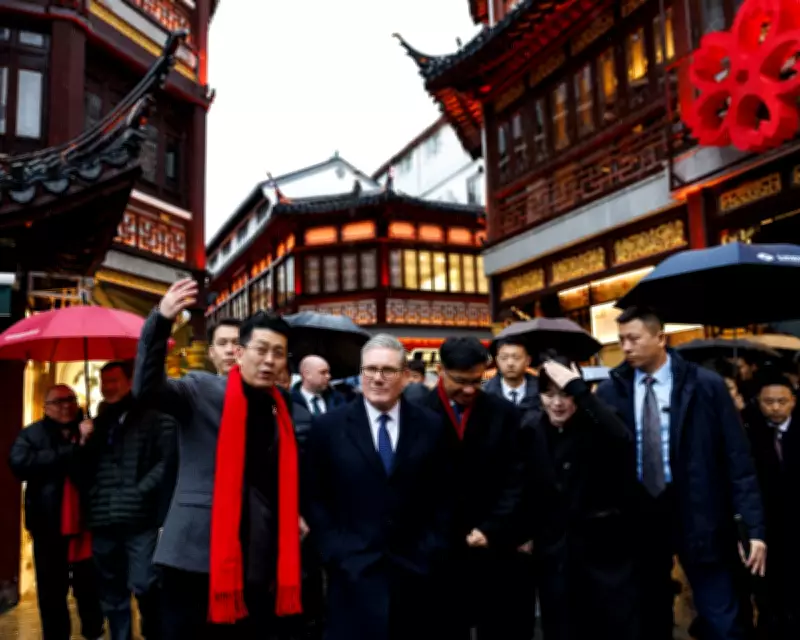
Prime Minister Keir Starmer has embarked on a significant diplomatic visit to China, aiming to thaw what he has previously described as the "ice age" in relations between the United Kingdom and the world's second-largest economy. During his trip, Starmer visited the historic Huxinting tea house in Shanghai's Yu Yaun Gardens, a symbolic gesture of cultural engagement. The visit marks the first by a British prime minister since Theresa May's trip in 2018, highlighting the importance both nations place on re-establishing dialogue.
Security Concerns and Diplomatic Protocol
Unlike his predecessor, who was advised to dress under covers due to fears of hidden surveillance cameras, Starmer adopted a more sanguine approach to privacy concerns. When questioned about whether he took similar precautions, the Prime Minister confirmed he did not, stating, "I've always said that we need to seize the opportunities, mindful of our national security." This response underscores his administration's delicate balancing act between pursuing economic cooperation and addressing serious security threats, including allegations of Chinese espionage, cyber-attacks, and aggressive trade practices.
Ceremonial Welcome and Substantive Talks
The UK's decision to approve the construction of a new Chinese mega-embassy in London, which officials insist had no political involvement, appears to have facilitated Starmer's reception. He was granted a full ceremonial welcome, complete with a military march-past and a lavish banquet. Most importantly, he engaged in over three hours of direct talks with President Xi Jinping, a crucial opportunity to discuss bilateral issues face-to-face.

During the visit, there were moments of cultural exchange and slight awkwardness. When China's business secretary greeted Starmer with a deep bow, the Prime Minister glanced quizzically at his own business secretary, Peter Kyle, who responded with a polite nod. Such interactions highlight the nuanced nature of international diplomacy.
Tangible Outcomes and Future Prospects
The trip yielded several concrete agreements, including a visa waiver arrangement, reductions in whisky tariffs, and commitments for British investment in China. Ten different agreements were signed, described by one British official as "jam tomorrow" deals—promising future benefits rather than immediate gains. Given China's bureaucratic structure, securing President Xi's personal endorsement is vital for British businesses seeking market access.
Foreign Secretary Peter Kyle emphasized the long-term perspective, telling a reception at the British embassy, "This trip is just the start." The goal is to cultivate a "more sophisticated" relationship that avoids the pitfalls of the previous "golden age" of UK-China relations, which was criticised for overlooking Beijing's aggressive behaviours.
Addressing Human Rights and Sanctions
Prior to his departure, Starmer pledged to raise sensitive issues, including the case of pro-democracy activist Jimmy Lai and the persecution of the Uyghur community. While he did address these concerns during his talks, their impact remains uncertain. A clear breakthrough, however, was China's decision to lift sanctions on six serving British MPs and peers, a move that could ease parliamentary tensions.
International Context and Domestic Challenges
Starmer's diplomatic efforts occur within a complex global landscape. Former US President Donald Trump warned that deepening ties with China is "very dangerous," reflecting Washington's scepticism. Yet, the perceived unreliability of the US under Trump's potential return to power encourages middle powers like the UK, France, and Canada to explore alternative partnerships, presenting an opportunity for Beijing.
Back home, Starmer faces significant political headwinds. Although leadership speculation has temporarily subsided during his absence, numerous policy and political challenges await his return to Westminster. His team is acutely aware that while he appears confident and effective on the international stage, domestic perceptions of his leadership remain less favourable.

Conclusion: A Delicate Balancing Act
As Starmer prepares to depart China for the next leg of his journey, he may consider the initial phase of his mission accomplished. The visit has initiated a thaw in relations and secured several agreements, albeit with long-term implementation horizons. However, the ultimate test lies ahead. During the flight to Beijing, Starmer light-heartedly announced over the intercom, "Sit back, enjoy the rest of the flight – I'll be bringing the plane in from here." The metaphor extends to his premiership: whether he can navigate the UK's domestic and international challenges to achieve a safe landing remains to be seen.