Keir Starmer's Diplomatic Mission to China Aims to Reset Relations Amid Thorny Issues
Starmer's China Trip Seeks to Thaw Relations, Faces Pressure

Keir Starmer Embarks on Major Diplomatic Mission to China Amid Complex Challenges

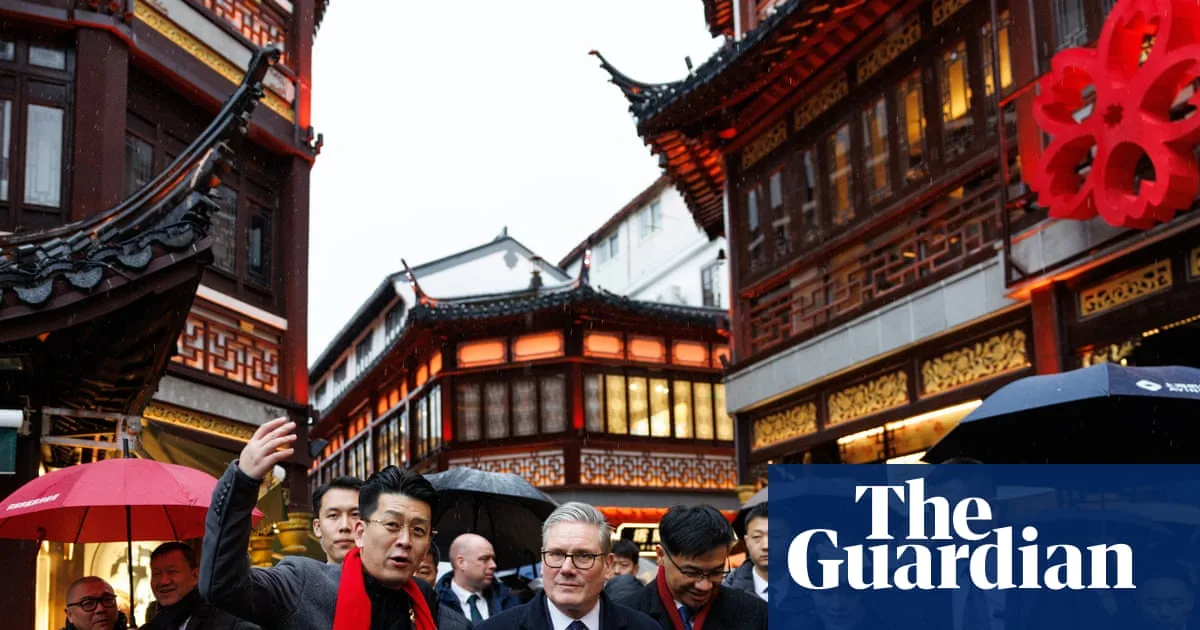
Prime Minister Keir Starmer has commenced a significant four-day diplomatic visit to China, marking the first such journey by a British premier in eight years. This high-stakes trip aims to thaw the frosty relations that have characterised UK-China ties under previous Conservative governments, with Starmer seeking to forge growth-boosting connections with the world's second-largest economy.

A Delicate Balancing Act: Charm Offensive Meets Thorny Issues

The Prime Minister's charm offensive comes at a pivotal moment, as he navigates strains in the US-UK relationship exacerbated by former President Donald Trump's controversial demands regarding Greenland and remarks about NATO forces in Afghanistan. However, Starmer faces substantial domestic and international pressure to robustly challenge Chinese leader Xi Jinping on several contentious matters.

These thorny topics include ongoing concerns about Chinese espionage activities, the treatment of Uighur Muslims in Xinjiang, and the imprisonment of Jimmy Lai, a Hong Kong pro-democracy campaigner who holds British nationality. The visit represents a strategic attempt to end what Starmer has previously termed an "Ice Age" in bilateral relations, building upon discussions held with President Xi at the 2024 G20 summit.

Wide Pickt banner — collaborative shopping lists app for Telegram, phone mockup with grocery list

Historical Context and Geopolitical Landscape

This diplomatic mission follows a prolonged period of tension between London and Beijing, exacerbated by China's support for Russia during the Ukraine conflict, crackdowns on protesters in Hong Kong, and persistent worries about espionage operations targeting British institutions. The last British prime minister to visit China was Theresa May in 2018, highlighting the extended diplomatic freeze that Starmer now seeks to overcome.

In a statement ahead of his departure, the Prime Minister emphasised the necessity of a consistent approach, stating: "For years, our approach to China has been dogged by inconsistency – blowing hot and cold, from Golden Age to Ice Age. But like it or not, China matters for the UK. As one of the world's biggest economic players, a strategic and consistent relationship with them is firmly in our national interest."

International Comparisons and Domestic Controversies

Starmer's initiative aligns with broader Western diplomatic engagement, noting that French President Emmanuel Macron has visited China three times, while German Chancellor Friedrich Merz and the US President are scheduled to travel soon. However, the British visit remains potentially controversial domestically, following rows about attempted Chinese espionage in Parliament, sanctions against British MPs critical of Beijing, and persistent allegations of human rights abuses.

Downing Street has sought to balance these concerns, asserting that the UK will never compromise national security for economic gains while warning that failure to engage would constitute "a staggering dereliction of duty." The Prime Minister's official spokesman highlighted this government's commitment to strategic re-engagement, stating: "After years of isolationism and neglect, this Government has led a strategic re-engagement with the world, strengthening our influence abroad and making us stronger at home."

Expert Perspectives and Cautious Optimism

Lord Patten, the final British Governor of Hong Kong who served until the handover in 1997, offered a nuanced perspective on the diplomatic endeavour. He welcomed the prospect of closer ties but urged pragmatic realism, remarking that relations with Beijing were "dim sum we should consume, but with a very long spoon."

"I don't think we should kid ourselves that if you're nice to China, they're more likely to obey the rules," Lord Patten cautioned. "They sign up to agreements and they break them whenever it's convenient. So I'm in favour of trying to have a better relationship with China, but we shouldn't think that there is some way of cosying up to China and getting them to do what you want them to do in perpetuity, because it doesn't happen like that."

Pickt after-article banner — collaborative shopping lists app with family illustration

Broken Diplomatic Itinerary and Domestic Pressures

Following his Chinese engagements, Prime Minister Starmer is scheduled to travel to Tokyo for meetings with Japanese Prime Minister Sanae Takaichi, underscoring the broader Asia-Pacific focus of this diplomatic tour. The international mission occurs against a backdrop of domestic political challenges, including ongoing backlash over the decision to block potential leadership rival Andy Burnham from contesting an upcoming by-election.

This complex diplomatic balancing act reflects Starmer's attempt to position Britain as a pragmatic global player, engaging with consequential powers while navigating the intricate web of economic opportunities, security concerns, and human rights considerations that define contemporary geopolitics.




