Starmer Withdraws Chagos Bill Amid Trump Backlash and Treaty Concerns
Starmer Withdraws Chagos Bill After Trump Criticism

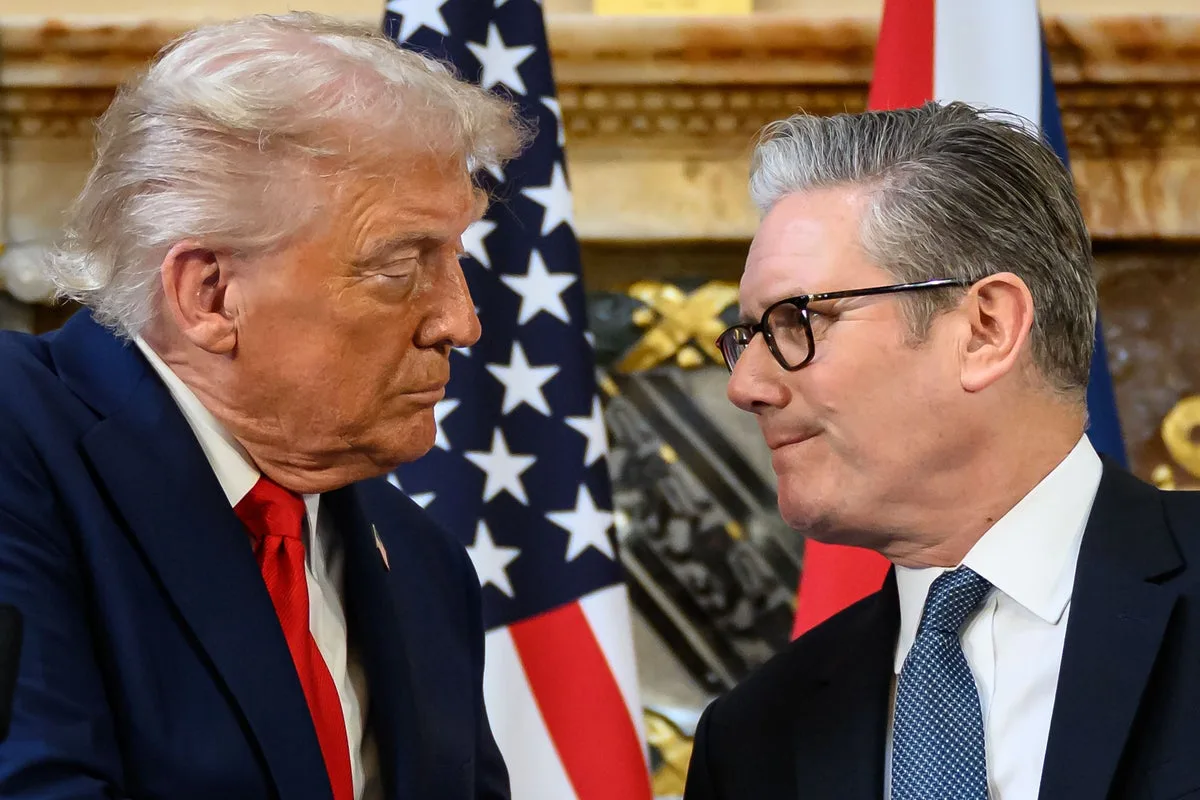
Sir Keir Starmer has withdrawn his Chagos Islands bill in response to significant backlash from the United States, particularly from former President Donald Trump, according to recent reports. The legislation, which was scheduled for debate in the House of Lords on Monday, has been delayed amid serious concerns that it could violate an international treaty with the US that affirms British sovereignty over the archipelago.

Trump's U-Turn and Diplomatic Tensions

The decision to delay the bill follows a dramatic reversal by Donald Trump earlier this week. Just months after endorsing Britain's plan to transfer the Indian Ocean territory to Mauritius, the US president publicly criticised the move on his Truth Social platform, labelling it "an act of great stupidity." This development has coincided with a notable deterioration in relations between Trump and Sir Keir Starmer this week, adding a layer of diplomatic strain to the legislative process.

National Security Accusations and Parliamentary Wrangling

In the aftermath of Trump's criticism, the government has accused peers of interfering with Britain's national security, describing their actions as "irresponsible and reckless behaviour." This accusation comes as the government faced a minor rebellion in the Commons over the deal, with legislation to finalise the agreement becoming entangled in disputes between the upper and lower chambers of Parliament.

Wide Pickt banner — collaborative shopping lists app for Telegram, phone mockup with grocery list

The proposed legislation aims to establish a solid legal foundation for the operation of the strategically crucial Diego Garcia Military Base. This facility has been utilised by UK and US forces since its construction on the islands in the 1970s. Ministers argue that the deal is essential because international court rulings in favour of Mauritian sovereignty claims have jeopardised the future of the base.

Treaty Concerns and Legal Challenges

Under the proposed agreement, Britain would relinquish the territory and lease back the base—a move that Conservatives contend would breach a UK-US treaty signed in 1966. This treaty explicitly enshrines the UK's sovereignty over the Chagos archipelago. With promised updates to the 1966 agreement yet to be realised, the Conservatives tabled a motion in the Lords on Friday morning, calling for a delay in the treaty's ratification to avoid potential breaches of international law.

Political Reactions and Future Implications

Tory leader Kemi Badenoch emphasised that the deal cannot proceed while these unresolved issues persist. She stated, "Throughout the Chagos debates, Keir Starmer has tried to hide behind the cover of international law. Now the Conservatives are exposing that his shameful surrender may be illegal." Shadow foreign secretary Dame Priti Patel added, "He is happy to hand over British sovereign territory and £35bn of taxpayers' money to an ally of China—even if it conflicts with international law. As a lawyer, he should know better."

A government spokesperson reaffirmed commitment to the deal, stating, "The government remains fully committed to the agreement to secure the joint UK-US base on Diego Garcia, which is vital for our national security." However, they criticised peers for overstepping their role, asserting that their duty is to scrutinise legislation, not to interfere with national security priorities.

The Telegraph has reported that the legislation underpinning the deal, which was due to return to the upper chamber for further scrutiny on Monday, will no longer be proceeding. This delay highlights the complex interplay between international diplomacy, legal obligations, and domestic politics, as the UK navigates the sensitive issue of sovereignty and strategic military interests in the Indian Ocean.

Pickt after-article banner — collaborative shopping lists app with family illustration




