
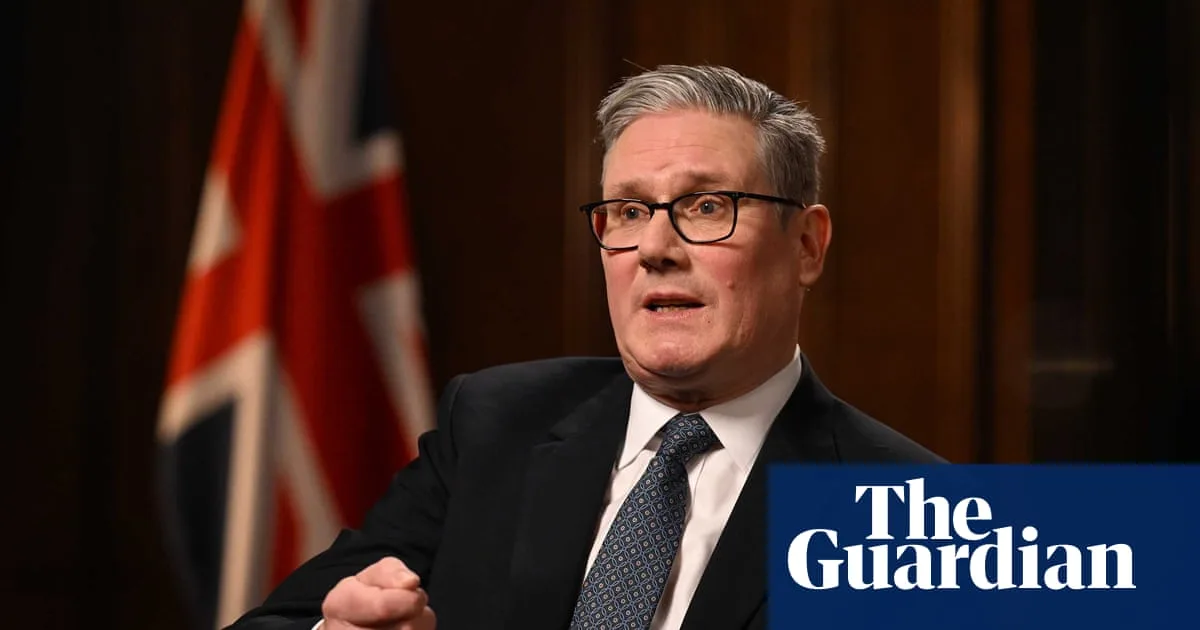
Prime Minister Sir Keir Starmer has taken a careful approach to the US military operation that resulted in the capture of Venezuelan leader Nicolás Maduro, waiting 16 hours before issuing a public response. When he did speak, he described Maduro as an 'illegitimate president' but reiterated his support for international law, striking a balance between condemning the Venezuelan regime and avoiding outright endorsement of the US action.
The UK government has since maintained a policy of saying as little as possible that might offend US President Donald Trump, leaving it to Washington to justify the legal basis for the operation. One aide described the stance as 'recognise that it’s not our fight', while a government insider said ministers were taking the 'realpolitik route' given the importance of a multibillion-pound trade deal and peace efforts in Ukraine.
Pressure has come from the Liberal Democrats and Greens, who urged stronger condemnation. However, Downing Street dismissed comparisons between the Venezuela raid and Russia's full-scale invasion of Ukraine as a 'bad comparison'. Even Reform UK leader Nigel Farage suggested Trump had violated international law, though he added that 'it may be a good thing' if it made Russia and China think twice.
Some senior officials, including within the Foreign Office, have expressed unease at what they see as fence-sitting. One official questioned the precedent: 'Effectively kidnapping a head of state to achieve regime change sets you on a dangerous path.' Another minister privately asked: 'If we let this happen without condemning it then where does it stop? Colombia? Cuba? Even Greenland?'
Downing Street has insisted the UK would take a firmer line if a European ally were threatened, noting Starmer's public backing of the Danish prime minister after Trump threatened to forcibly take over Greenland. The foreign secretary, Yvette Cooper, told MPs: 'The future of Greenland is a matter for the Greenlanders and the Danes – and no one else.'
Starmer, who has been trying to speak with Trump since the raid, is due to finally speak with him after a Paris meeting of the 'coalition of the willing' on Tuesday. He has told colleagues that one day he may need to take a tougher stance, but that for now the costs of damaging key partnerships outweigh the benefits.




