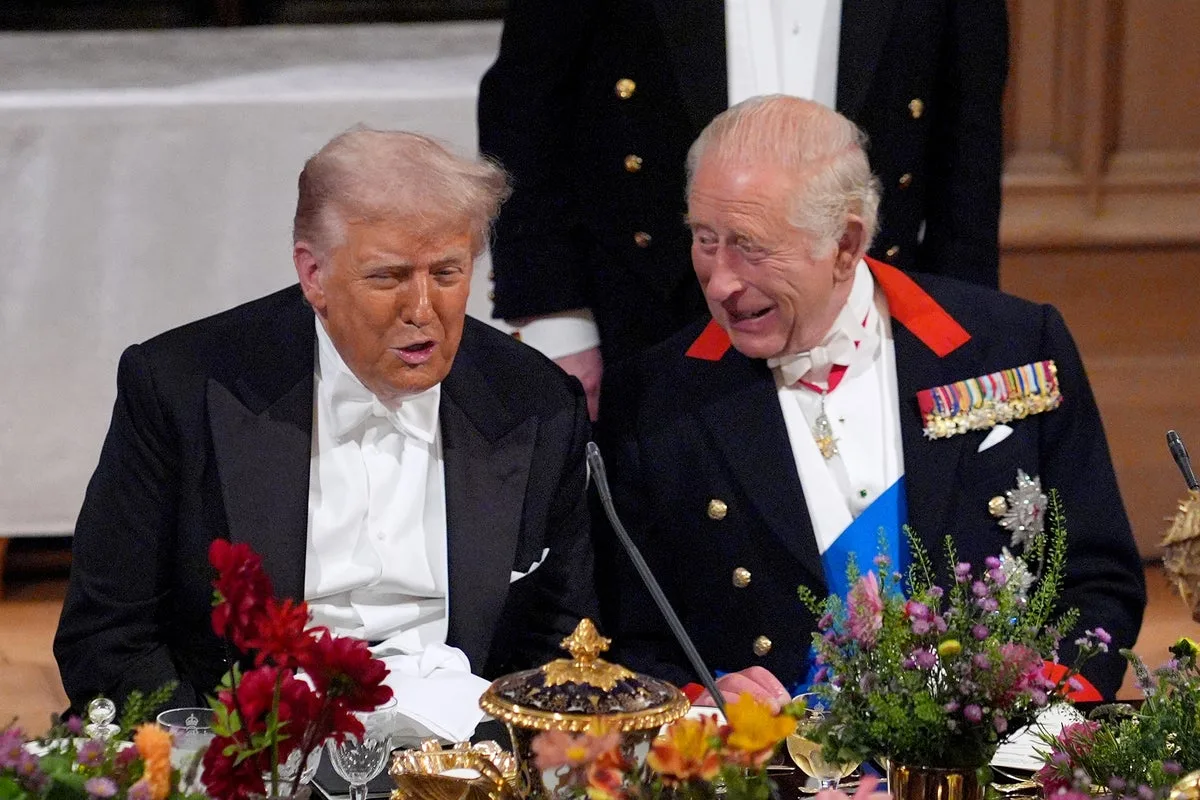
Prime Minister Sir Keir Starmer is poised to use a proposed state visit by King Charles III to the United States as his principal diplomatic lever to deter President Donald Trump from imposing damaging new tariffs over Greenland, a move threatening to spiral into an international crisis.
The Royal Carrot in a Diplomatic Standoff
The planned visit, set for 4 July 2026 to mark the 250th anniversary of the US Declaration of Independence, has taken on enormous strategic significance. With President Trump actively moving to impose tariffs related to Greenland and renewing threats against other allies, Sir Keir has few options to persuade the American leader towards reason. The royal visit, however, represents a unique and potent form of soft power.
This approach is founded on President Trump's well-documented reverence for the British monarchy, partly attributed to his late mother's Scottish heritage. The senior royals effectively function as an extension of the UK's Foreign, Commonwealth and Development Office (FCDO), a role that has become crucial in managing relations with America's capricious 47th president.
Precedent of Princely Diplomacy
Sir Keir has already skilfully utilised royal connections to build bridges. The relationship between Prince William and President Trump began in late 2024, just before Trump's inauguration, during a meeting in Paris ahead of the Notre Dame cathedral reopening. According to sources, the Prince and the President now speak regularly—even more frequently than Trump communicates with Prime Minister Starmer.
Pageantry has proven its worth before. One key factor in the UK outperforming the EU in securing a post-tariff trade deal was President Trump's historic second state visit to Britain. The prospect of that visit also ensured Trump did not reject Sir Keir's first choice for Ambassador to the US, Lord Mandelson. The state visit became a "golden carrot," with Trump determined that nothing should interfere with it, making him more amenable to UK interests.
A High-Stakes Gamble for Global Stability
The upcoming July 4th visit, potentially featuring the King or the Prince of Wales, is now seen as even more critical to President Trump's view of his own legacy. However, the strategy carries significant risk. If the UK is pushed into recession by Trump's tariffs or if the NATO alliance fractures over US demands concerning Greenland, it would be politically untenable for a senior royal to proceed with a visit that would appear to endorse the US president's actions.
The mere threat of cancelling the visit might be enough to stay Trump's hand on tariffs. Yet, Trump is not known for accepting slights passively. A cancelled state visit would be taken as a deep personal insult, potentially escalating tensions further. Moreover, royal diplomacy has had limited success in influencing Trump on other major international issues, such as Ukraine or the Middle East.
As diplomatic turbulence mounts, Sir Keir Starmer, who has earned a reputation as a "Trump whisperer," faces a delicate balancing act. His most powerful card remains the monarchy, but playing it requires navigating a precarious tightrope where the stakes are nothing less than international economic stability and alliance cohesion.






