International leaders, including Britain's Sir Keir Starmer, have delivered a cautious response to a US-drafted peace proposal for Ukraine, labelling it a starting point that demands substantial further development.
G20 Summit Reveals Allied Concerns
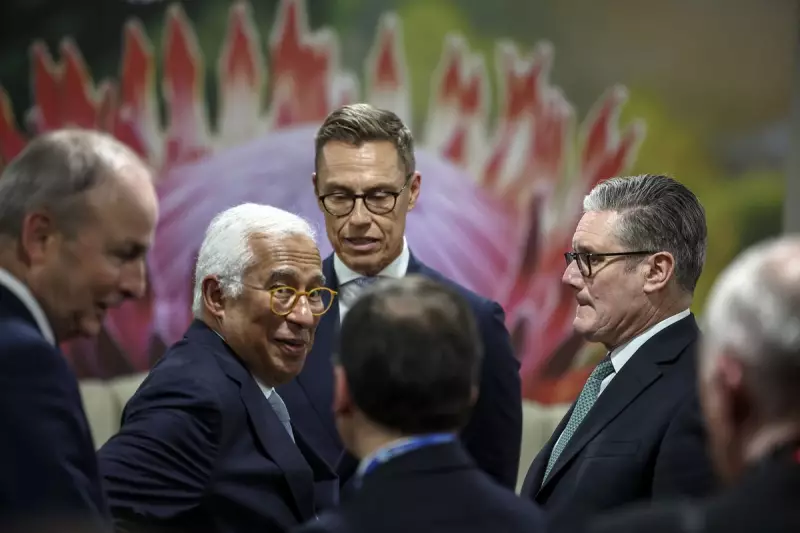
The reservations emerged during a meeting at the G20 summit on Saturday 22 November 2025. Sir Keir Starmer met with other European leaders, such as German chancellor Friedrich Merz and European Council president Antonio Costa. Together, they voiced apprehension about the plan's contents, stressing a fundamental principle: borders must not be changed by force.
A major point of contention revolves around proposed limitations on Ukraine's military capabilities. Leaders fear that measures to reduce the country's armed forces could leave it dangerously vulnerable to future aggression.
The Contentious US Proposal
The peace plan, which was reportedly drafted in secret by the United States in consultation with Russia, has caused unease by excluding Kyiv and its European allies from the initial process. According to reports, the proposal would force Ukraine to make major concessions, including surrendering occupied territory and significantly reducing the size of its army.
This secretive approach and the substance of the plan have drawn criticism from Ukraine's staunchest supporters, who believe any lasting settlement must be forged with Ukraine's direct and central involvement.
Global Reactions and the Path Ahead
Ukrainian President Volodymyr Zelensky has asserted that his representatives will prioritise national interests in any forthcoming talks. He emphasised that real and durable peace can only be built upon a foundation of security and justice.
In Moscow, Vladimir Putin cautiously welcomed the American initiative, describing it as a potential basis for negotiations, though he noted a lack of substantive discussion with Russia so far. Meanwhile, the US position, as indicated by President Trump, is that he expects a response from Ukraine in the near future.
The stage is now set for difficult negotiations, with upcoming talks in Geneva poised to be a critical test for the future of European security and Ukrainian sovereignty.