Starmer Accuses Trump of Flip-Flopping on £30bn Chagos Deal
Starmer: Trump Flip-Flops on Chagos Deal

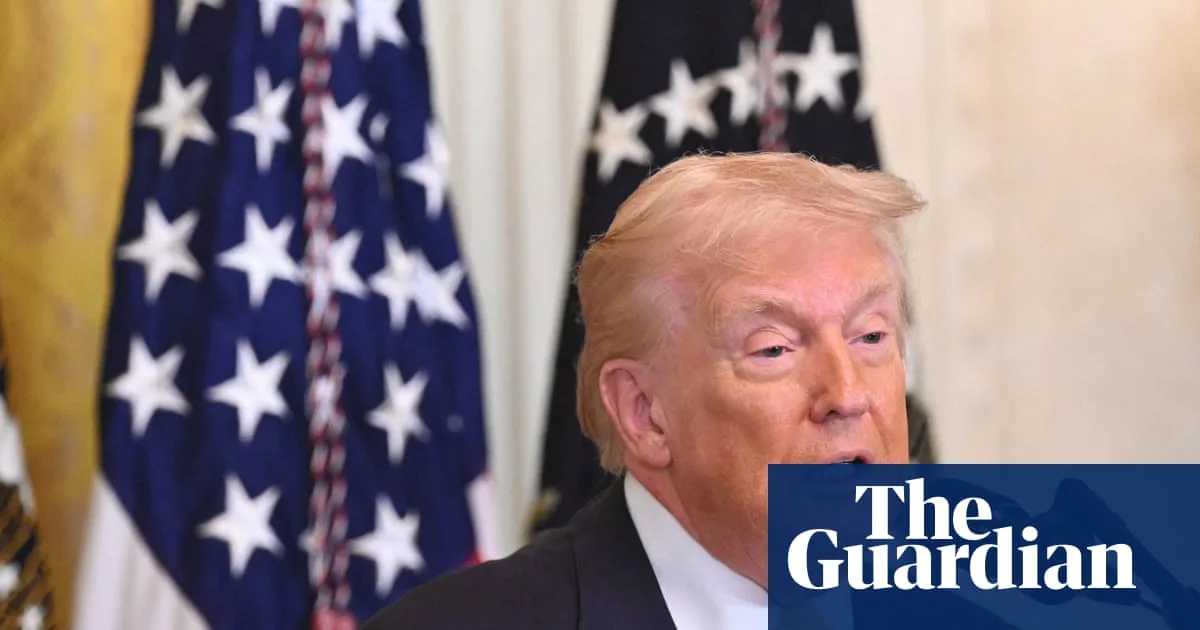
Prime Minister Sir Keir Starmer has publicly accused former US President Donald Trump of flip-flopping over his support for Labour's controversial £30 billion agreement concerning the Chagos Islands. In remarks that risk provoking the White House incumbent, Sir Keir suggested that Mr Trump's recent criticism of the deal is out of step with US intelligence officials and contradicts his own previous endorsements.

Scramble to Salvage the Agreement

Ministers are now scrambling to salvage the deal after Mr Trump branded it an 'act of great stupidity' last week. Legislation to implement the agreement, which hands sovereignty of the islands to Mauritius, is pending, with ministers acknowledging that US approval is crucial due to the impact on the joint US-UK military base on Diego Garcia.

Speaking to reporters en route to China, Sir Keir revealed that British officials have held frantic talks with their US counterparts in recent days in an effort to rescue the arrangement. He stressed that US intelligence and security agencies had thoroughly reviewed the deal after last year's presidential inauguration and were content with the plan for Britain to transfer control of the Indian Ocean islands to Mauritius, a Chinese ally, while leasing the vital military base for up to £35 billion.

Growing Opposition and Treaty Concerns

Sir Keir's comments come amid growing hopes among opponents of the deal that it could be scuppered following President Trump's dramatic intervention. The Conservative Party has pointed out that the agreement could violate a 60-year-old treaty with the United States unless the White House agrees to back it.

When asked if he believed the President could pull the plug on the deal, Sir Keir told reporters: 'Well, I've obviously discussed Chagos with Donald Trump a number of times. It has been raised with the White House at the tail end of last week, over the weekend and into the early part of this week.'

He elaborated: 'The position, as you know, is that when the Trump administration came in, we paused for three months to give them time to consider the Chagos deal, which they did at agency level. And once they'd done that, they were very clear in the pronouncements about the fact that they supported the deal.'

Defence and Security Implications

Number 10 insists the deal is necessary to secure the future of the Diego Garcia base following legal rulings that have undermined the UK's claim to the territory. Under the terms of the agreement, the UK will lease back Diego Garcia from Mauritius for 99 years.

The Prime Minister highlighted that key figures in the Trump administration had backed the deal last year, with Secretary of State Marco Rubio stating that the agreement 'secures the long-term, stable, and effective operation of the joint US-UK military facility at Diego Garcia'.

Questioned on whether he thought President Trump understands the deal, Sir Keir replied: 'Well, as I say, there was a three-month pause whilst his administration looked in detail at an agency level, because obviously this is about security and intelligence. And so it was an agency review that was conducted in the US before they then concluded that it was a deal they wanted to support, did support and did so in very clear terms.'

Political Tensions and Criticism

This incident marks the latest difference in opinion between the two leaders, with Sir Keir last week vowing not to 'yield' to President Trump's threat to impose tariffs on Greenland's allies if they oppose his demands for the territory. Meanwhile, the Conservatives have urged ministers to abandon the deal entirely.

Shadow Foreign Secretary Dame Priti Patel warned that ceding sovereignty to Mauritius would make it impossible for either the UK or the US to station nuclear missiles on Diego Garcia, because Mauritius is a signatory to a non-proliferation treaty.

Dame Priti told MPs: 'It's high time that the Prime Minister tore up this atrocious surrender treaty and put Britain's interests and our defence first and our security first and Britain's hard-pressed taxpayers first.'

The ongoing dispute underscores the delicate balance between diplomatic agreements, national security, and international relations, as the UK government navigates the complexities of this high-stakes geopolitical issue.




