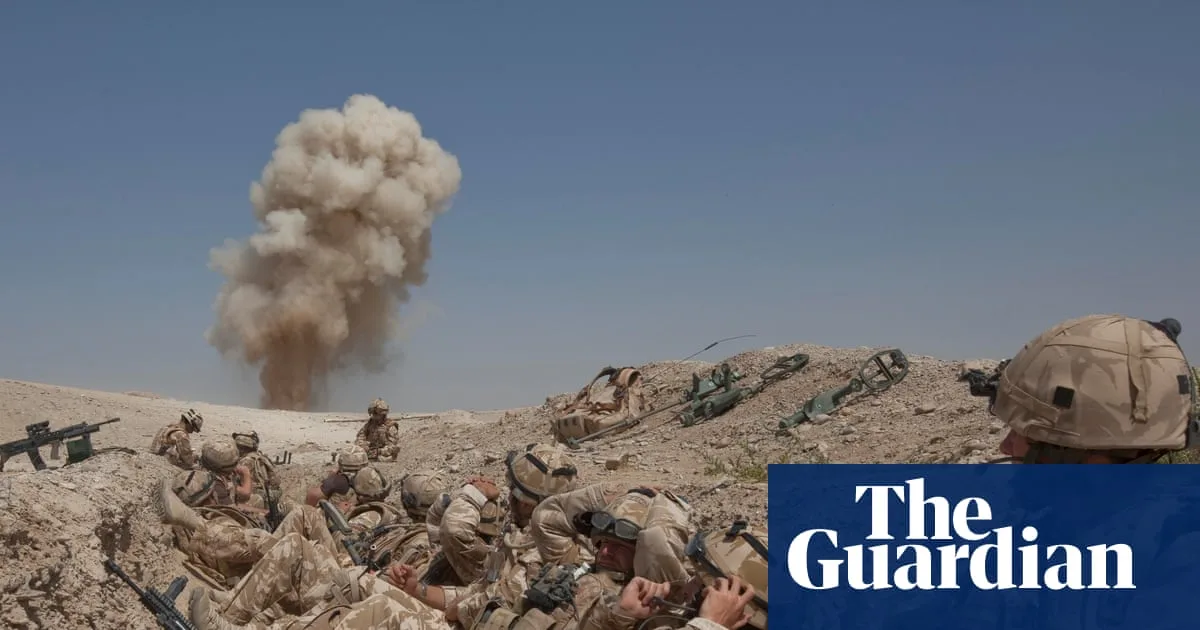
Starmer Demands Apology as Trump's 'Insulting' Afghanistan Troop Remarks Spark Fury
Starmer Slams Trump's 'Appalling' Remarks on British Troops

Prime Minister Sir Keir Starmer has delivered a forceful condemnation of remarks made by US President Donald Trump regarding British military personnel who served in Afghanistan, describing the comments as profoundly offensive and demanding an apology. The political firestorm erupted after President Trump suggested in a televised interview that NATO allied forces, including British troops, had deliberately avoided the most dangerous combat zones during the conflict.

Widespread Condemnation Across the Political Spectrum

The controversial remarks have triggered unified outrage from across Britain's political landscape, with figures from all major parties expressing their disgust. Speaking from Downing Street, Sir Keir Starmer paid solemn tribute to the 457 British service personnel who lost their lives in Afghanistan, alongside the many more who sustained life-changing injuries during their deployment.

"I consider President Trump's remarks to be insulting and frankly appalling," Starmer stated emphatically. "I am not surprised they have caused such hurt to the loved ones of those who were killed or injured and, in fact, across the country." The Prime Minister made clear that, were he to have uttered such words himself, he would immediately offer a full and unreserved apology.

Wide Pickt banner — collaborative shopping lists app for Telegram, phone mockup with grocery list

Families of Veterans Express Their Anguish

The human impact of Trump's comments was powerfully articulated by Diane Dernie, mother of severely injured veteran Ben Parkinson. Her son, a paratrooper from Doncaster, is widely regarded as the most severely wounded British soldier to survive the Afghanistan war after a 2006 explosion left him with both legs amputated, spinal injuries, and significant brain damage.

"I can assure you, the Taliban didn't plant IEDs miles and miles back from the front line," Mrs. Dernie told journalists, directly countering the implication that British troops avoided frontline danger. She described the US President's comments as "the ultimate insult" and called upon Sir Keir to confront Trump directly over the matter.

Military and Political Figures Unite in Rebuttal

Defence Minister Al Carns, a former commando who served five tours in Afghanistan and was awarded the Military Cross for gallantry, dismissed Trump's assertions as "ridiculous." Without directly naming the US President, Carns highlighted the shared sacrifices made by British and American forces. "I served five tours in Afghanistan, many alongside my American colleagues. We shed blood, sweat and tears together. Not everybody came home," he stated, emphasising the bonds forged in combat.

Conservative leader Kemi Badenoch similarly denounced the comments as "complete nonsense" that risked undermining the NATO alliance. "I spoke to parents of young men who had lost their lives in Afghanistan and I think it is a disgrace to denigrate their memory like that," she added, reflecting the cross-party nature of the condemnation.

Historical Context and Broader Diplomatic Strains

The controversy emerges against a backdrop of ongoing tension in transatlantic relations, which have faced significant strain following President Trump's previous threats to impose tariffs on European nations. These threats were reportedly withdrawn after discussions with NATO Secretary-General Mark Rutte concerning Arctic security arrangements.

Historical records underscore the scale of British sacrifice in Afghanistan, where the UK suffered the second-highest number of military fatalities among coalition partners, with 457 deaths. This figure stands behind only the United States, which recorded 2,461 fatalities. In total, America's NATO allies suffered 1,160 deaths throughout the conflict, representing approximately one-third of all coalition casualties.

The row has also revived scrutiny of President Trump's own military service history, specifically his avoidance of conscription during the Vietnam War due to a diagnosis of bone spurs—a claim that has long been subject to considerable scepticism and controversy.

Pickt after-article banner — collaborative shopping lists app with family illustration




