Starmer Slams Trump's 'Appalling' Afghanistan Troop Claims
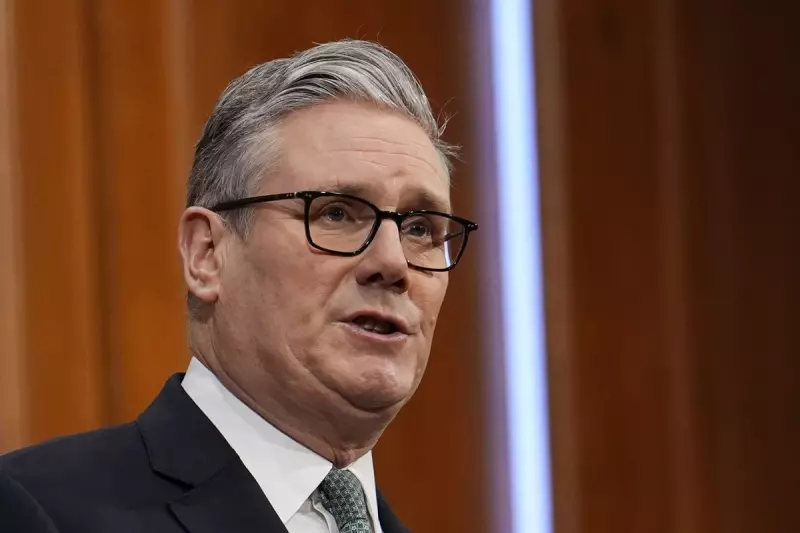
Prime Minister Sir Keir Starmer has issued a forceful condemnation of former US President Donald Trump over what he described as "insulting and frankly appalling" false claims regarding British troops' involvement in the Afghanistan conflict. The remarks, made during a Fox News interview, have sparked a diplomatic row, with Starmer demanding an apology for what he views as a disrespectful mischaracterisation of the UK's military contributions.
Trump's Controversial NATO Comments
In the interview, Trump asserted that NATO allied forces, including British troops, "stayed a little off the front lines" during the Afghanistan war. He further claimed that America had "never needed" its NATO partners, a statement that overlooks historical context, notably the US invoking the alliance's mutual defence clause following the 9/11 attacks—the only time this has occurred in NATO's history.
Starmer's Firm Response
Sir Keir Starmer responded swiftly, labelling Trump's comments as not only false but deeply offensive to the service and sacrifice of UK armed forces. The Prime Minister emphasised that such remarks undermine the solidarity and shared commitments within the NATO alliance, which has been a cornerstone of transatlantic security for decades.

Starmer's criticism highlights several key points:
- The UK's significant role in Afghanistan, including combat operations and humanitarian efforts.
- The importance of maintaining strong diplomatic ties and mutual respect among NATO members.
- The need for accurate historical narratives to honour veterans and inform future policy decisions.
Broader Implications for UK-US Relations
This incident comes at a sensitive time in UK-US relations, with ongoing discussions about defence cooperation and global security challenges. Starmer's demand for an apology underscores a commitment to upholding the integrity of international partnerships and ensuring that political rhetoric does not distort the realities of military service.
Observers note that such public disagreements, while rare, could influence future diplomatic engagements, particularly if Trump returns to a position of influence. The Prime Minister's stance reflects a broader strategy to assert the UK's role on the world stage while defending its national interests and honouring its service personnel.
As the situation develops, the focus remains on whether Trump will respond to the criticism and how this might affect bilateral relations moving forward. For now, Starmer's unequivocal rebuke serves as a reminder of the enduring importance of truth and respect in international discourse.