Starmer Defies Trump's Demand for UK Warships in Strait of Hormuz
Prime Minister Sir Keir Starmer has firmly resisted calls from US President Donald Trump to deploy British warships to the Strait of Hormuz, a critical oil trade route in the Middle East. The refusal comes as Trump issued a stark warning that the NATO alliance faces a "very bad" future if member states fail to assist in securing the strategic waterway.
Trump's Urgent Appeal to Allies
In an interview with the Financial Times, President Trump intensified pressure on the UK and other nations, including France, China, and Japan, to send naval vessels to protect oil tankers from Iranian attacks. He argued that countries benefiting from the strait have a responsibility to ensure its safety, stating, "It's only appropriate that people who are the beneficiaries of the strait will help to make sure that nothing bad happens there."
Trump further emphasized the implications for NATO, adding, "We'll see if they help us. Because I've long said that we'll be there for them but they won't be there for us." This warning underscores growing tensions over allied contributions to global security amid escalating Middle East conflicts.
UK's Alternative Response
Instead of committing warships, the UK government is considering dispatching mine-hunting drones to the region. Defence sources indicate this move aims to address concerns about an Iranian build-up of explosives in the narrow sea passage while avoiding direct military escalation. Energy Security and Net Zero Secretary Ed Miliband confirmed that Britain is "intensively" exploring options to help reopen the route, reflecting a cautious approach to the crisis.
On Sunday, Starmer and Trump held their first discussion since the president's public appeal. A Downing Street spokeswoman noted they "discussed the ongoing situation in the Middle East and the importance of reopening the Strait of Hormuz to end the disruption to global shipping, which is driving up costs worldwide." However, no commitment was made regarding naval deployment.
Domestic Focus on Cost of Living
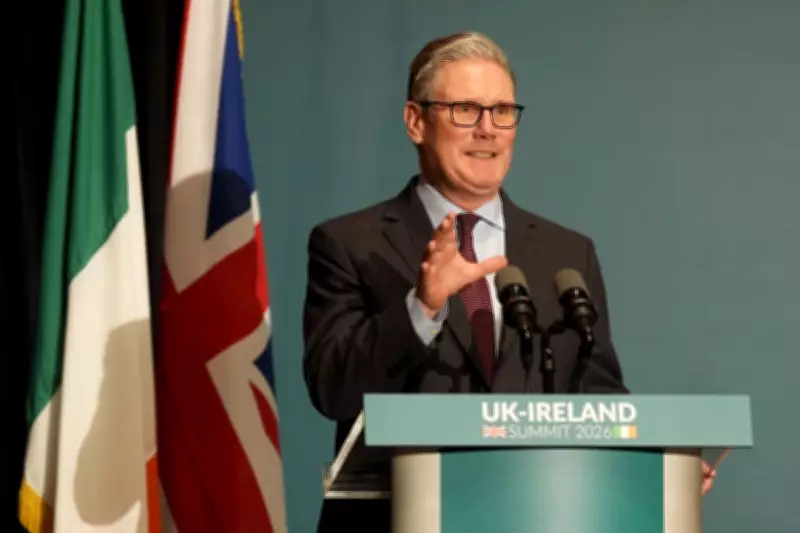
Amid the international pressure, Prime Minister Starmer is prioritizing domestic concerns, particularly the cost-of-living crisis exacerbated by energy price spikes linked to the Middle East conflict. In a press conference on Monday, he announced a subsidy for households using heating oil, a fuel not protected by the energy price cap that has seen prices double due to oil supply disruptions.
Starmer declared, "My answer is clear. Whatever challenges lie ahead, this Government will always support working people. That is my first instinct – my first priority – to help you with the cost of living through this crisis." He also warned against profiteering by suppliers, stating, "I will not tolerate companies trying to exploit this crisis to make money from working people... if the companies have broken the law, there will be legal action."
Humanitarian and Regional Developments
In related actions, Foreign Secretary Yvette Cooper has mobilized over £5 million in aid for humanitarian organizations in Lebanon, where conflict between Israel and Hezbollah is intensifying. Cooper expressed grave concern about the humanitarian impact, highlighting the broader regional instability.
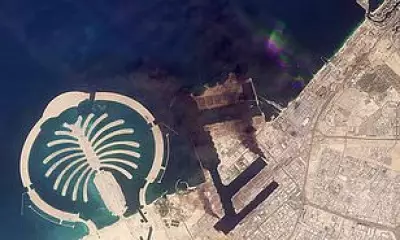
Meanwhile, a drone-related incident near Dubai International Airport caused a temporary flight suspension on Monday, though no injuries were reported. Emirates airlines grounded flights and operated on a limited schedule, illustrating the wider disruptions affecting global travel and commerce due to Middle East tensions.
As the crisis unfolds, Starmer's resistance to Trump's demands signals a strategic divergence, with the UK focusing on de-escalation and domestic support while navigating complex international alliances and security challenges.