
Work and pensions secretary Pat McFadden has delivered a sharp response to threats by Donald Trump if the UK and other Nato countries refuse to send warships to protect oil supplies in the Middle East. McFadden said the Iran war had nothing to do with Nato and Britain did not have to support all military actions by the US.
McFadden’s comments came after Trump said Nato faced a “very bad future” if member states did not use their navies to support the US in the Strait of Hormuz, where Iran is blocking fuel tankers. Sir Keir Starmer said on Monday the UK “will not be drawn into the wider war”, but said he is working with allies on a plan to reopen the strait.
McFadden said: “It is not a Nato war, it is a US-Israeli action. The articles of association of Nato are that it is a defensive alliance. We come to one another’s aid when those articles have been breached. We are deeply committed to Nato, but it was not conceived and does not operate in the kind of situation we are seeing in the Gulf right now.”
McFadden said Starmer had made it clear from the start of the conflict that “the UK is not a protagonist in it and that will frame the discussions we have with the US or anyone else about our involvement or (military) equipment or anything like that.” Asked if he took Trump’s comments about Nato seriously, McFadden said it was necessary to “see through” some of the statements made by him.
McFadden said he supported the former head of UK armed forces, General Sir Nick Carter, who also criticised Trump’s comments about Nato. Sir Nick said: “Nato was created as a defensive alliance. It was not designed for one of the allies to go on a war of choice and then oblige everyone else to follow. I am not sure if that is the sort of Nato any of us wanted to belong to.”
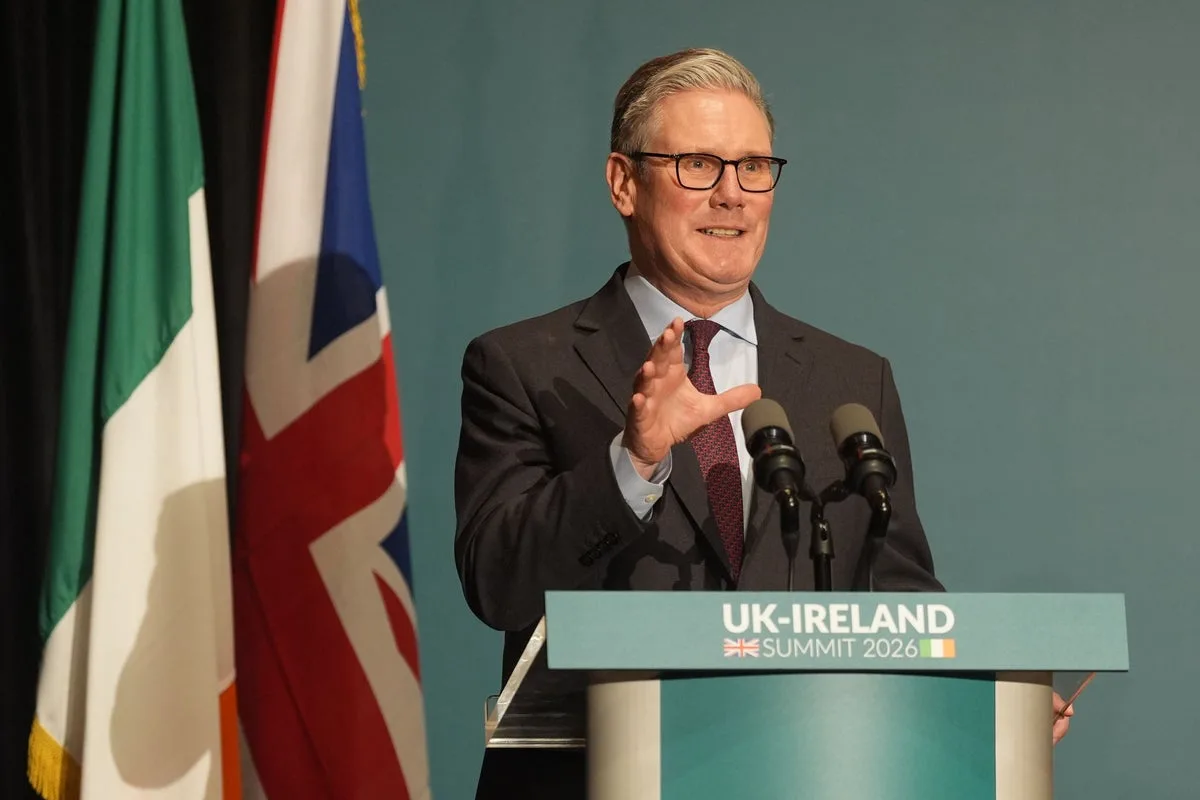
As pressure grows on the PM to take more action over the Middle East crisis, he instead held a press conference on Monday where he pledged to help households with the cost of living crisis worsened by an energy price spike driven by the conflict. Starmer announced a subsidy for those who use heating oil to warm their homes, after they faced price spikes caused by the war.




