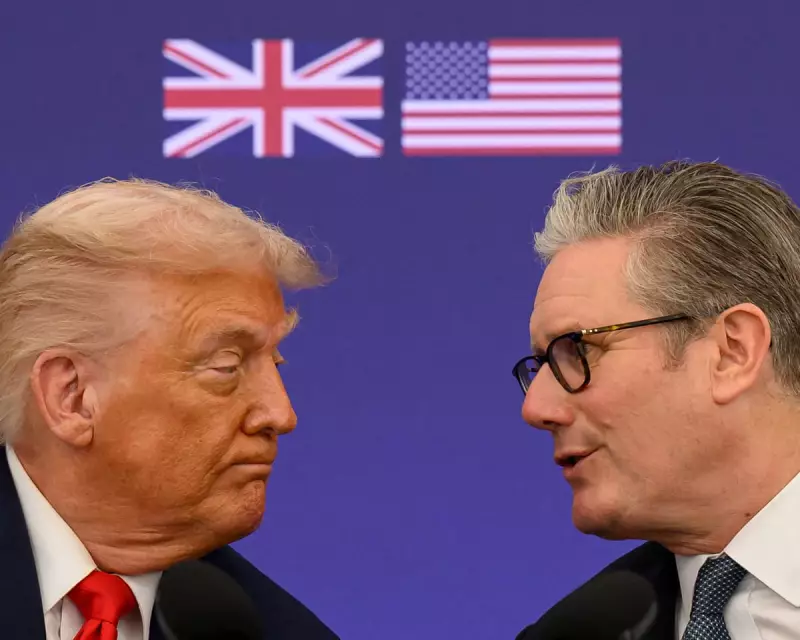
In a significant diplomatic escalation, UK Prime Minister Keir Starmer has publicly rebuked US President Donald Trump for comments made about NATO forces during the Afghanistan conflict. The confrontation unfolded following an interview Trump gave to Fox News on Thursday, where he suggested that NATO troops, including British soldiers, had stayed "a little back, a little off the frontlines" during the war.
Starmer's Forceful Response
Speaking on Friday, Starmer delivered a strongly worded condemnation of the US president's remarks. "I consider President Trump's remarks to be insulting and frankly appalling," Starmer declared, "and I'm not surprised they caused such hurt to the loved ones of those who were killed or injured."
The prime minister went further by suggesting Trump should issue an apology for his comments, though he acknowledged this was unlikely given the president's established pattern of behaviour. Starmer's intervention came amid widespread outrage from British political leaders and families of veterans who served in Afghanistan.

The Human Cost of Conflict
The controversy has brought renewed attention to the substantial human sacrifice made during the twenty-year Afghanistan campaign. Official figures reveal that 3,486 NATO troops lost their lives throughout the conflict, including 2,461 American service personnel and 457 British soldiers. Canada recorded 165 deaths, including civilians caught up in the fighting.
For many British families who lost loved ones in Afghanistan, Trump's comments have reopened painful wounds and raised questions about how their sacrifice is being remembered and honoured on the international stage.
Escalating Diplomatic Tensions
This latest dispute represents a notable deterioration in relations between the Starmer government and the Trump administration. Earlier in the week, tensions had already surfaced when Trump criticised Britain's decision to return the Chagos Islands to Mauritius. The diplomatic fallout from that earlier disagreement forced the government to delay its Chagos Islands bill in the House of Lords on Friday night.
Starmer's decision to publicly challenge the US president over his Afghanistan remarks carries significant diplomatic risk, potentially creating further rupture with the White House. However, Downing Street sources indicate the government felt compelled to speak out given the depth of feeling among veterans' groups and military families.
Broader Political Context
The controversy has also revived questions about Trump's own military service record, specifically his avoidance of service during the Vietnam War through medical deferments. Critics have pointed to what they see as hypocrisy in the president's willingness to comment on the service of others while having avoided combat himself.
Meanwhile, the political fallout continues to reverberate on both sides of the Atlantic, with British opposition leaders joining Starmer in condemning Trump's remarks and calling for greater respect for those who served in Afghanistan.
The incident underscores the delicate nature of transatlantic relations under the current leadership and highlights how historical military engagements continue to shape contemporary diplomatic discourse between traditional allies.