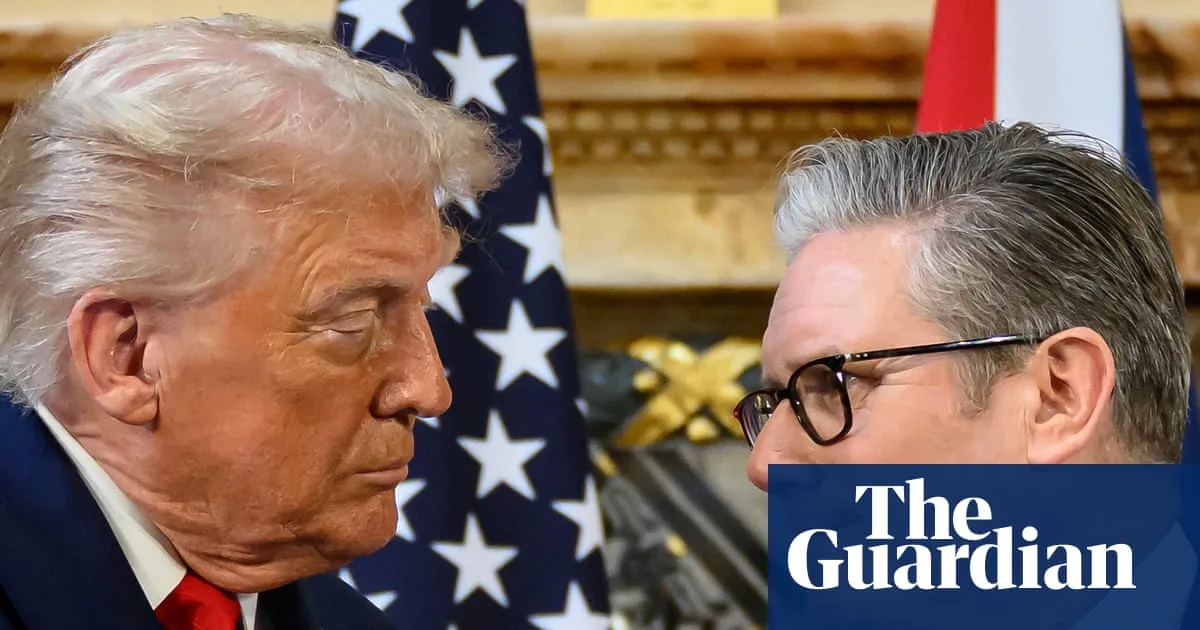
Starmer's Diplomatic Challenge: Navigating Trump's Return and Iran Tensions
Starmer Faces Trump Return and Iran Tensions in Diplomacy

Starmer's Diplomatic Test Amid Trump's Potential Return

Prime Minister Keir Starmer is facing a significant diplomatic challenge as the prospect of Donald Trump's return to the White House looms, potentially straining the historic special relationship between the United Kingdom and the United States. This development comes at a critical time when tensions with Iran are escalating, adding another layer of complexity to Starmer's foreign policy agenda.

Trump's Comeback and Its Implications for UK-US Ties

The possible re-election of Donald Trump in the upcoming US presidential election has raised concerns in Westminster about the future of the UK-US alliance. Trump's previous tenure was marked by unpredictable foreign policy decisions and a transactional approach to international relations, which often clashed with traditional diplomatic norms. Starmer's government must now prepare for a scenario where Trump's return could disrupt longstanding cooperation on issues such as trade, defence, and global security.

Historical Context and Current Concerns

Wide Pickt banner — collaborative shopping lists app for Telegram, phone mockup with grocery list

The special relationship between the UK and US has been a cornerstone of British foreign policy for decades, but Trump's potential comeback threatens to test its resilience. During his first term, Trump frequently criticised NATO allies and pursued an "America First" agenda that sometimes sidelined UK interests. Starmer's administration is reportedly developing contingency plans to navigate these uncertainties, emphasising the need for pragmatic engagement while safeguarding British sovereignty and strategic priorities.

Iran Tensions: A Pressing Foreign Policy Issue

Simultaneously, Starmer is grappling with heightened tensions with Iran, which have been exacerbated by recent geopolitical developments. Iran's nuclear ambitions and regional activities pose a direct threat to international stability, requiring coordinated responses from global powers. The UK's role in this context is crucial, as it seeks to balance diplomatic efforts with security measures.

Strategic Diplomacy and Multilateral Cooperation

Starmer's approach to Iran involves a combination of diplomatic outreach and firmness, aiming to de-escalate conflicts while upholding international agreements. However, Trump's potential return complicates this strategy, as his administration previously withdrew from the Iran nuclear deal and adopted a more confrontational stance. Starmer must therefore work to maintain unity among European allies and other partners, ensuring that the UK's voice remains influential in shaping outcomes.

Broader Implications for UK Foreign Policy

The convergence of Trump's possible comeback and Iran tensions underscores broader challenges for Starmer's foreign policy. These issues highlight the need for agile and adaptive diplomacy in an increasingly volatile global landscape. Key considerations include:

  • Defence and Security: Ensuring robust defence capabilities and intelligence sharing with allies, particularly in light of Iran's threats.
  • Trade and Economy: Navigating potential disruptions to UK-US trade relations if Trump returns with protectionist policies.
  • Diplomatic Alliances: Strengthening ties with other nations to mitigate risks and enhance the UK's global standing.

Starmer's leadership will be tested as he seeks to uphold British interests while managing these complex dynamics. His ability to foster stable relationships with the US, regardless of who occupies the White House, and to address Iran's challenges effectively will be critical in shaping the UK's international role in the coming years.

Pickt after-article banner — collaborative shopping lists app with family illustration