Starmer Addresses Security Measures During China Trip
Prime Minister Sir Keir Starmer has publicly addressed security protocols surrounding his recent diplomatic visit to China, specifically denying that he followed unusual advice reportedly given to a predecessor.
Historical Precedent and Current Practice
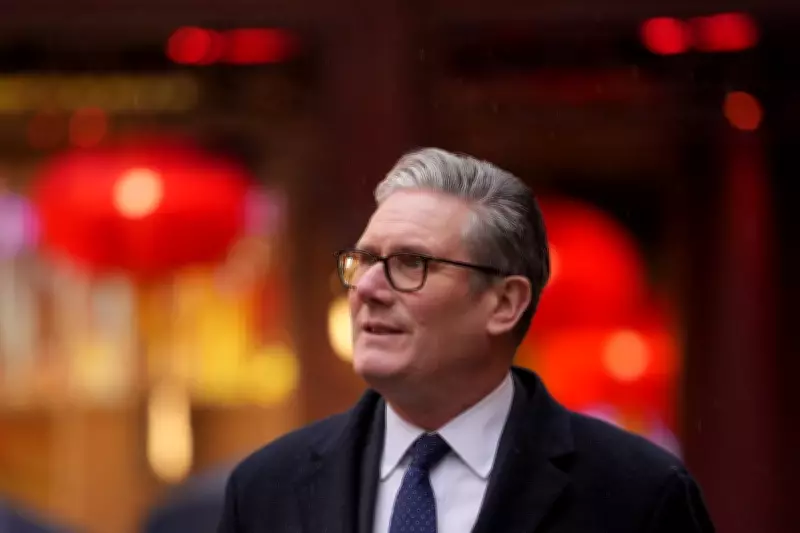
During his visit to Shanghai's Yuyuan Gardens, Sir Keir was questioned about whether he had adopted the same security measure as former prime minister Baroness Theresa May. Reports from 2018 indicated that May and her staff were advised to change clothes while still in bed during their China visit, a precaution intended to avoid potential surveillance from hidden cameras in hotel rooms.
When directly asked by GB News if he had followed this practice, the Prime Minister gave a clear response: "No, I can confirm that I didn't."

Modern Security Protocols
While dismissing the bed sheet changing method, Sir Keir and his team reportedly implemented more contemporary security measures. According to sources familiar with the trip, the delegation utilized temporary "burner" phones and laptops throughout their visit. This approach is designed to prevent technological espionage and hacking attempts by foreign actors, particularly given concerns about Beijing's cyber capabilities.
The Prime Minister acknowledged the inherent risks of engaging with China, telling GB News: "I've always said that we need to seize the opportunities mindful of our national security." He emphasized that security considerations remain paramount in all international engagements.
Balancing Engagement and Security
Despite these security precautions, Sir Keir stressed the importance of maintaining diplomatic and economic relations with China. He argued against complete disengagement, stating: "What I think is wrong is simply putting your head in the sand."
The Prime Minister highlighted China's significant economic position, noting: "This is the second biggest economy in the world. If you take Hong Kong as well, it's our third biggest trading partner. So many good reasons to engage and to seize the opportunities."
However, he maintained that this engagement must always be tempered with vigilance, adding: "But to be mindful and always have our first priority, our national security." This statement reflects the delicate balance the current government seeks to maintain between pursuing economic opportunities and protecting national interests.
The contrasting security approaches between the 2018 and current visits illustrate how protocols have evolved while underlying concerns about foreign surveillance persist. Sir Keir's comments provide insight into the practical measures taken during high-level diplomatic trips to countries with sophisticated surveillance capabilities.