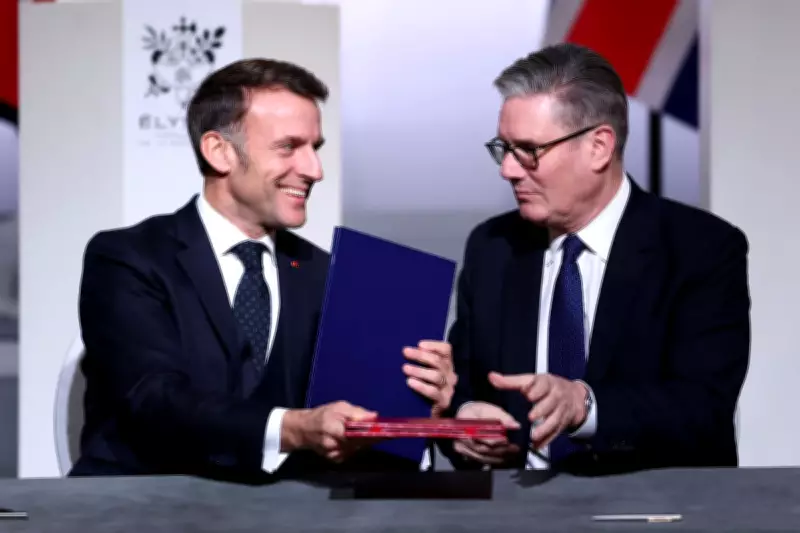
Sir Keir Starmer and French President Emmanuel Macron are set to co-host a critical summit in Paris this Friday, focusing on the urgent reopening of the blockaded Strait of Hormuz. This strategic waterway, a vital artery for global trade, has been closed due to the ongoing US-Iran war and a blockade imposed by former US President Donald Trump, leading to significant disruptions in international shipping and soaring oil prices worldwide.
Summit Aims to Forge Multinational Plan
The Paris summit aims to establish a coordinated, independent, and multinational strategy to safeguard international shipping through the Strait of Hormuz. By bringing together key stakeholders, the initiative seeks to mitigate the economic fallout from the blockade, which has exacerbated concerns about the cost of living and energy security across the globe.
Background of the Blockade
The closure of the Strait of Hormuz was triggered by the escalation of the US-Iran conflict, with Donald Trump announcing a US military blockade to prevent Iranian vessels and ships that have paid tolls to Iran from passing through. This move followed the breakdown of ceasefire talks, intensifying geopolitical tensions and disrupting one of the world's most crucial maritime routes for oil transport.

Nato Allies' Stance
Nato allies, including Britain and France, have explicitly stated they will not be drawn into the direct conflict between the US and Iran. Instead, their focus remains on diplomatic efforts to reopen the waterway, emphasizing the importance of maintaining free and secure navigation for international commerce.
The summit represents a pivotal moment in global diplomacy, as leaders work to address the immediate challenges posed by the blockade while fostering long-term stability in the region. The outcome could have profound implications for global oil markets and international relations in the coming months.