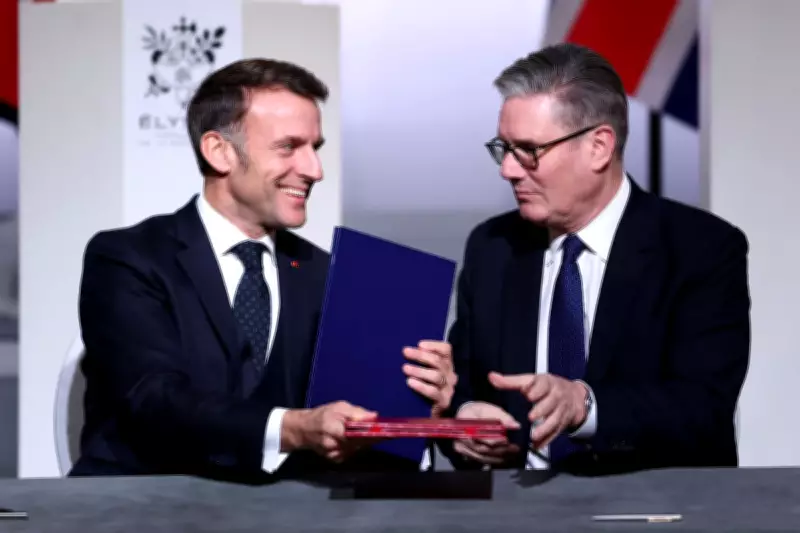
Prime Minister Sir Keir Starmer and French President Emmanuel Macron are set to co-host a crucial international summit in Paris this Friday, focusing on the security of the Strait of Hormuz. The gathering aims to formulate a coordinated, multinational strategy to protect this vital oil and gas shipping route once the ongoing conflict in Iran concludes.
Summit Objectives and International Coordination
The summit will bring together leaders from various nations to advance work towards an independent plan for safeguarding international shipping. A Downing Street spokesman emphasised that the initiative is designed to be a strictly defensive mission, separate from the warring parties involved in the conflict. This approach ensures that the efforts remain neutral and focused solely on maintaining open and secure maritime passage.
Macron's Vision for a Defensive Mission
President Macron has previously outlined that the participating countries will collaborate on a mission intended to be deployed as soon as circumstances permit. He stressed that this initiative is not aligned with any side in the conflict but rather aims to provide a protective framework for global shipping interests. The goal is to prevent disruptions to the flow of oil and gas, which are critical to the world economy.

Westminster's Response and Cabinet Committee
In response to the escalating situation, Westminster has established a new Cabinet committee dedicated to managing the fallout from the Iran conflict. The Middle East Response Committee held its inaugural meeting on Tuesday to assess the current conditions in the Strait of Hormuz. This committee will play a key role in shaping the UK's contributions to the multinational plan discussed at the Paris summit.
Importance of the Strait of Hormuz
The Strait of Hormuz is a strategically essential shipping lane, responsible for transporting a significant portion of the world's oil and gas supplies. Any disruption to this route could have severe implications for global energy markets and economic stability. The summit in Paris represents a proactive effort to mitigate such risks and ensure continued access to these vital resources.
As international leaders convene, the focus will be on developing a robust, defensive framework that can be implemented swiftly once the conflict ends. This collaborative approach underscores the global commitment to maintaining maritime security and economic resilience in the face of regional instability.