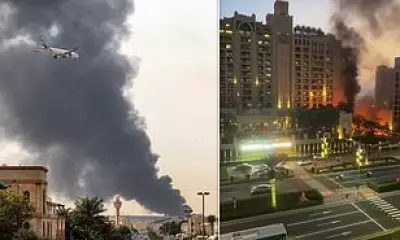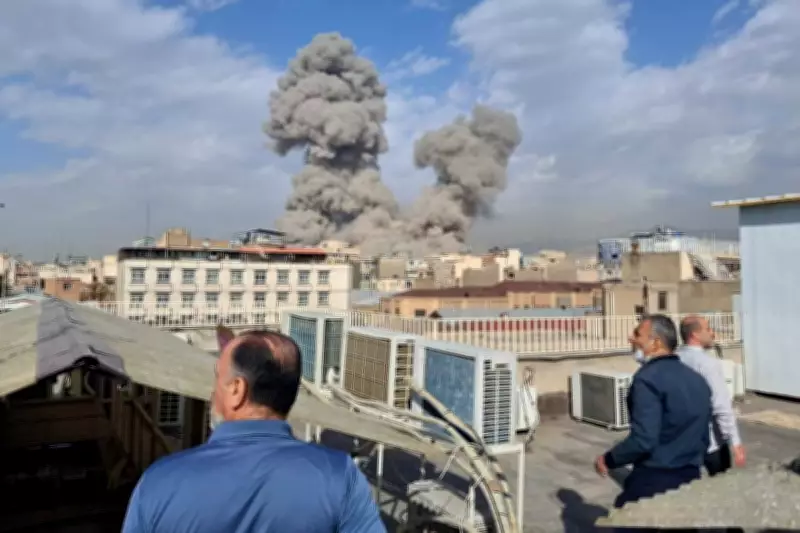
A coordinated military operation involving Israel and the United States targeted Iran's capital, Tehran, on Saturday, 28 February 2026, resulting in visible smoke clouds rising from the southern districts of the city. The strike occurred shortly after 8 am local time, near the offices of Supreme Leader Ayatollah Ali Khamenei, prompting immediate security responses from both nations.
Immediate Aftermath and Security Measures
Following the attack, Iranian authorities confirmed that Supreme Leader Ayatollah Ali Khamenei has been moved to a secure, undisclosed location as a precautionary measure. In a swift reaction to the escalating situation, both Iran and Israel have closed their respective airspaces, disrupting regional aviation and heightening fears of further military engagements.
Context of Escalating Tensions
The strike unfolds against a backdrop of intensifying geopolitical friction, primarily driven by concerns over Iran's nuclear programme. Western governments, including the United States, have long suspected that Iran's uranium enrichment activities could be aimed at developing nuclear weapons, a claim Tehran has consistently denied, asserting its programme is for peaceful purposes.

This incident marks a significant escalation in the ongoing standoff, potentially destabilising the already volatile Middle East region. Analysts warn that the closure of airspaces and the relocation of key political figures like Khamenei could signal prolonged hostilities, with implications for global security and energy markets.
Observers on the ground reported the smoke plume emanating from southern Tehran, though specific details regarding the extent of damage or casualties remain unclear as official statements are pending. The international community is closely monitoring developments, with calls for restraint echoing from various diplomatic channels.