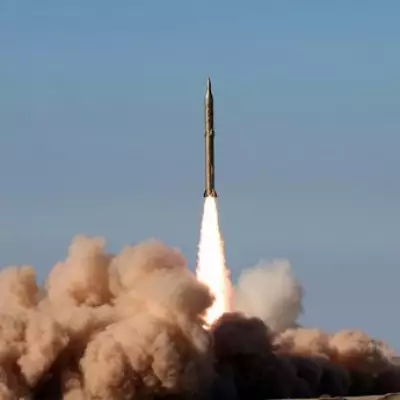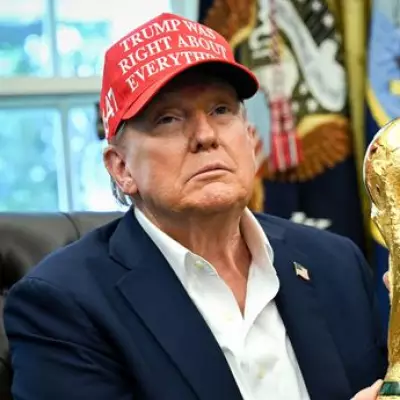
The US Senate has decisively rejected a War Powers Resolution aimed at curbing President Donald Trump's military authority in Iran, with the measure failing by a vote of 47-53. This outcome effectively endorses the continuation of military engagement in the Middle East, forcing lawmakers to publicly declare their positions on the escalating conflict.
Constitutional Debate and Partisan Divisions
During the debate, Democratic leaders, including Senate Majority Leader Chuck Schumer, argued passionately against the prospect of 'forever wars,' emphasizing the need for congressional oversight to prevent prolonged military entanglements. In contrast, Republican leaders such as Senator John Barrasso accused Democrats of obstructing President Trump's efforts to address perceived threats from Iran, framing the resolution as an impediment to national security.
Administration's Stance and Ongoing Risks
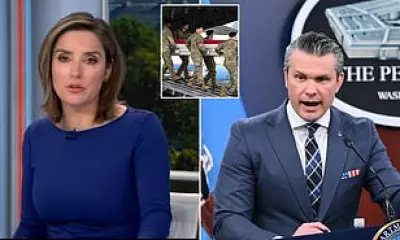
Administration officials, including Defense Secretary Pete Hegseth, provided insights into the conflict's timeline, indicating that military operations could persist for approximately eight weeks. This acknowledgment comes amid continued risks to US service members, highlighted by recent attacks in Kuwait and Syria that have heightened concerns over troop safety and regional stability.

The vote centered on a deep constitutional debate over the authority for military action. Proponents of the resolution stressed the importance of congressional oversight as a check on executive power, while opponents rallied in support of President Trump's actions, viewing them as necessary responses to Iranian aggression. This division underscores broader tensions within US foreign policy and the balance of powers between the legislative and executive branches.
As the conflict unfolds, the Senate's decision leaves the Trump administration with significant leeway to pursue military strategies without immediate congressional approval, setting a precedent for future engagements. The public declaration of stances by lawmakers may influence upcoming elections and policy discussions, with implications for US diplomacy and defense strategies in the volatile Middle East region.