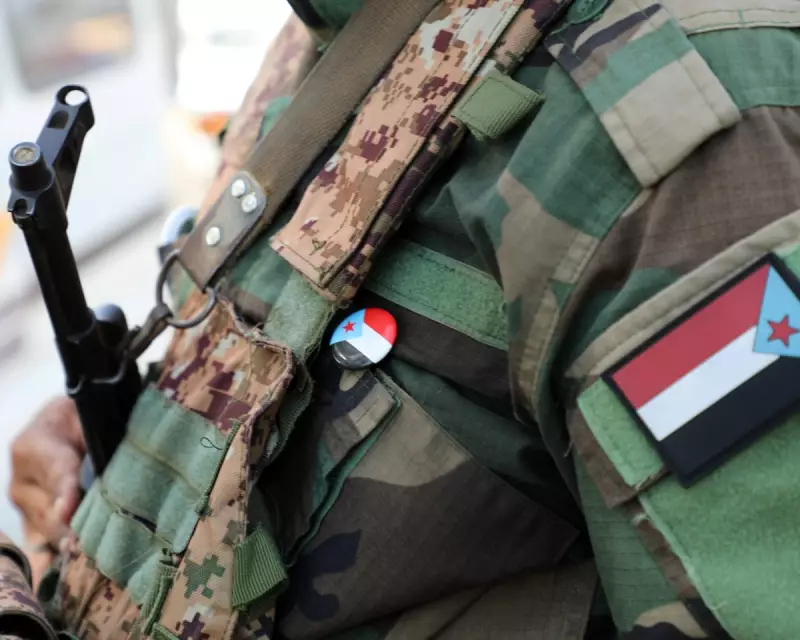
The Saudi-led military coalition in Yemen has carried out targeted air strikes against UAE-backed separatist forces, marking a dramatic escalation in long-simmering tensions between the two Gulf allies. The action on Wednesday followed claims that the separatist leader, Aidarous al-Zubaidi, had backed out of crucial peace talks in Riyadh.
Missed Flight Triggers Military Response
According to a statement from coalition spokesperson Major General Turki al-Malki, the leader of the Southern Transitional Council (STC), Aidarous al-Zubaidi, was scheduled to travel to Saudi Arabia for negotiations concerning the future of southern Yemen. While other STC officials made the journey, al-Zubaidi did not board the plane.
Al-Malki asserted that intelligence indicated al-Zubaidi had instead mobilised a significant military force, including armoured vehicles and heavy weaponry, before "fled to an unknown location". The STC has not provided an immediate comment on these allegations.

'Limited Pre-emptive Strikes' Launched
In response to the perceived threat, the Saudi-led coalition confirmed it had undertaken "limited pre-emptive strikes" aimed at preventing the separatists from expanding the conflict. Local sources within al-Zubaidi's home province reported more than 15 strikes targeting the UAE-backed forces.
The military action exposes the deep fracture within the coalition, which was originally formed in 2015 to fight the Iran-aligned Houthi movement. The United Arab Emirates backs the STC's ambition for an independent south, while Saudi Arabia supports the internationally recognised government's aim to reunify the country.
Political Repercussions and Charges of Treason
The fallout was swift on the political front. The Saudi-backed Presidential Leadership Council, chaired by Rashad al-Alimi, stripped Aidarous al-Zubaidi of his membership and referred him to the public prosecutor.
He faces serious charges including high treason, inciting armed rebellion, and attacking constitutional authorities. This formal accusation severes the STC's formal ties to Yemen's recognised government, of which it had been a part for years.
This development underscores the complex and shifting alliances in Yemen's protracted war, where the battle against the Houthis—who control the capital Sana'a—is now compounded by open conflict between nominal allies. The rift threatens to further destabilise a nation already enduring a severe humanitarian crisis.