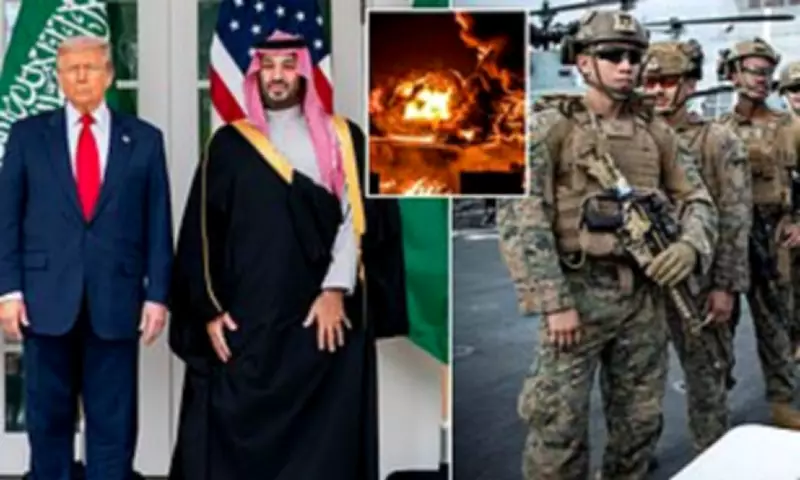
In a series of confidential communications over the past week, Saudi Crown Prince Mohammed bin Salman has reportedly urged former US President Donald Trump to deploy American ground troops into Iran, framing the ongoing conflict as a "historic opportunity" for regime change. According to sources cited by the New York Times, the Saudi leader has made multiple calls to Trump, pressing him to escalate military actions rather than leave the job "half finished."
Private Advocacy for Military Escalation
The Crown Prince, commonly known as MBS, argued that Iran's government poses a long-term threat to regional stability if it is not completely eliminated. He specifically advocated for US troops to seize control of Iran's energy infrastructure and forcibly remove the current leadership from power. This private stance starkly contrasts with Saudi Arabia's public statements, which emphasize a desire for a diplomatic resolution to the war that began on February 28.
Trump's Concerns and Economic Implications
During these discussions, Trump expressed reservations about further escalation, warning that it could drive oil prices even higher. The national average gas price in the US has already surged to $4.00 per gallon, up from $2.90 when the conflict started. Despite these economic worries, MBS continued to push for a more aggressive military approach, highlighting the perceived necessity of regime change to secure the Gulf region.

Saudi Arabia's Public Diplomatic Front
Publicly, Saudi officials have maintained a different tone. A Saudi spokesman stated, "The kingdom of Saudi Arabia has always supported a peaceful resolution to this conflict," adding that they remain in close contact with the Trump administration. The spokesman further emphasized that their primary concern is defending against daily attacks on Saudi people and civilian infrastructure, accusing Iran of choosing "dangerous brinkmanship over serious diplomatic solutions."
Regional Tensions and Military Deployments
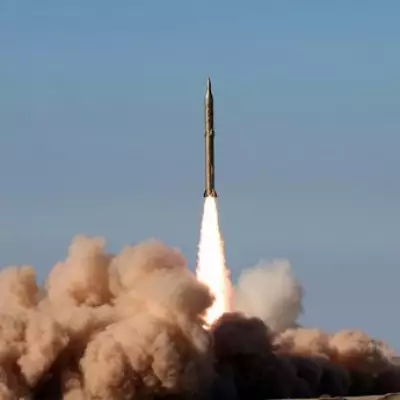
Since the initial US and Israeli strikes on Iran on February 28, Iran has retaliated by targeting Saudi Arabia with missiles and drones. These attacks have hit Saudi oil fields, refineries, cities, and even the US embassy in Riyadh, leading to the evacuation of the mission. While Saudi Arabia relies on Patriot missile interceptors for defense, several Iranian bombardments have penetrated its air defenses.
In response to the escalating conflict, thousands of US Marines have been deployed to the Middle East in recent weeks. Reports indicate that at least two units totaling over 4,500 personnel have been ordered toward Iran, including around 2,500 Marines aboard three ships deployed late last week and over 2,000 Marines on the USS Tripoli redirected from the Pacific.
Negotiation Efforts and Ongoing Threats
Trump signaled on Monday that the war might be nearing a conclusion, mentioning "productive conversations" with Iran regarding a complete resolution of hostilities. However, Iran has denied any talks are taking place, with an official from the Fars News Agency, aligned with the Islamic Revolutionary Guard Corps, stating there is "no direct or indirect contact with Trump." Trump warned that if negotiations fail and Iran does not cooperate, US forces will continue "bombing our little hearts out."
Economic and Strategic Consequences
The uncertainty surrounding the conflict has impacted global markets, with oil prices rising on Tuesday. Brent crude, the global benchmark, hit $104 per barrel as optimism about an early resolution faded. Senior Saudi and American officials fear that continued fighting could lead Iran to further punish Saudi oil facilities and potentially drag the US into an "endless war," highlighting the high stakes of MBS's private appeals for military intervention.