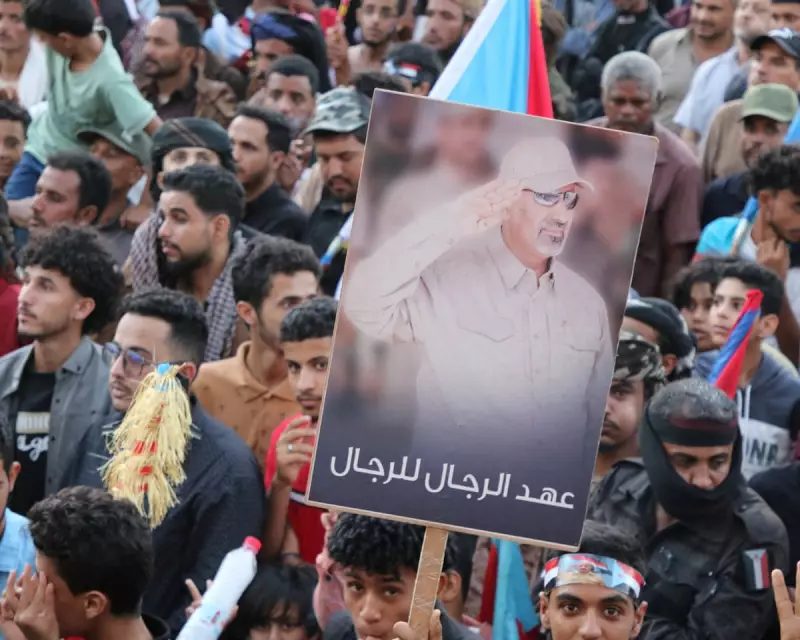
Saudi Arabia has levelled a serious accusation against its Gulf ally, the United Arab Emirates, claiming it facilitated the escape of a prominent Yemeni separatist leader from house arrest in Riyadh. The allegation marks a significant and public escalation of tensions between the two powerful nations, who are nominal partners in a coalition fighting in Yemen's long-running conflict.
The Escape of Aidarous al-Zubaidi
The controversy centres on Aidarous al-Zubaidi, the president of the Southern Transitional Council (STC). Al-Zubaidi had been under de facto house arrest in the Saudi capital since late December. According to Saudi officials, his escape in early January was executed with direct assistance from Emirati security operatives.
The STC, which seeks an independent southern Yemen, is a critical but fractious component of the anti-Houthi alliance. While both Saudi Arabia and the UAE back the coalition, their support often flows to different factions, with the UAE being a primary patron of the STC. Al-Zubaidi's detention was seen as a Saudi move to consolidate control over the coalition's political direction.

A Deepening Diplomatic Rift
This incident is not an isolated disagreement but the latest flare-up in a series of underlying tensions. Analysts note a growing strategic divergence between Riyadh and Abu Dhabi regarding the Yemen war's endgame and influence over southern Yemen. The public accusation, a rare breach of diplomatic decorum between the allies, suggests these frictions are moving into the open.
Saudi authorities claim Emirati agents provided logistical support and secure passage for al-Zubaidi, enabling him to leave Riyadh and eventually return to Yemen's interim capital, Aden, which is under STC influence. The UAE has not issued a formal public response to the specific allegation, maintaining its official position of supporting Saudi-led efforts to restore Yemen's legitimate government.
Implications for Yemen and Regional Stability
The fallout from this dispute threatens to further complicate the already bleak situation in Yemen. The Saudi-UAE coalition, though strained, has been a unified front against Houthi rebels. A visible split could embolden the Houthis and destabilise the fragile anti-Houthi alliance, making prospects for a lasting peace deal even more remote.
Furthermore, the incident underscores the complex proxy dynamics within the coalition. The power struggle between Riyadh and Abu Dhabi for influence in southern Yemen risks fuelling more internal conflict among anti-Houthi groups, potentially opening new fronts in the war. The escape of al-Zubaidi empowers the STC and could recalibrate the balance of power in the south, challenging Saudi-backed factions.
International observers are watching closely, concerned that this rift between two of the West's key security partners in the Gulf could have repercussions far beyond Yemen's borders, affecting energy security and regional diplomacy. The coming weeks will be critical in determining whether this breach can be mended or if it signifies a more permanent realignment.