
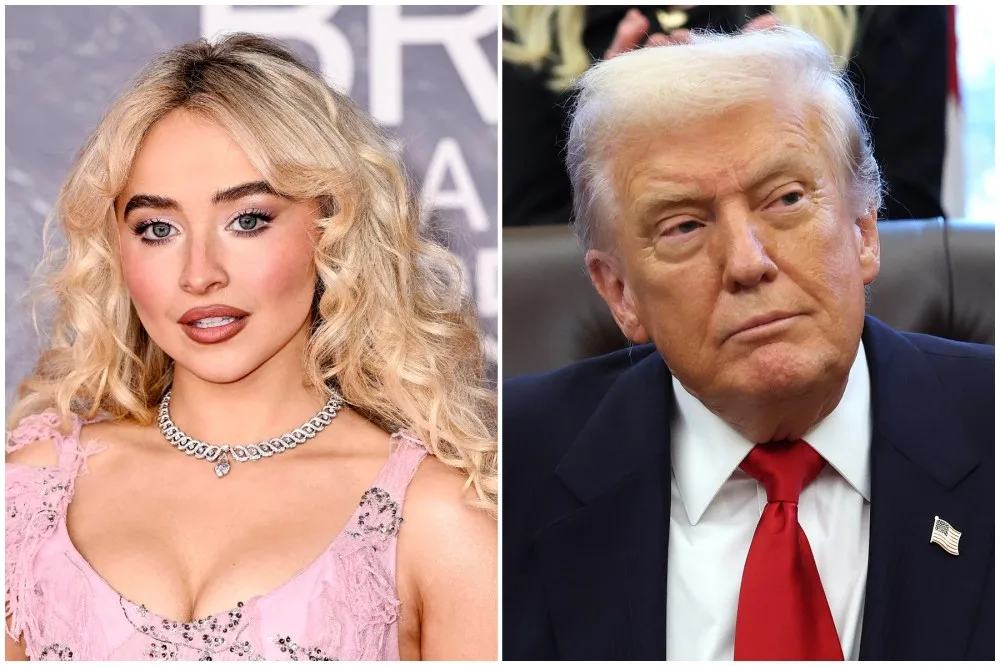
Sabrina Carpenter has criticised Donald Trump's White House for featuring her song 'Juno' in a video montage promoting ICE raids. The Grammy-winning singer took to X to denounce the video as 'evil and disgusting', adding: 'Do not ever involve me or my music to benefit your inhumane agenda.'
The video, shared on White House social media accounts, juxtaposes footage of individuals being handcuffed and tackled by ICE agents with Carpenter's lyrics from 'Juno', including the line 'Have you ever tried this one?' The track had gone viral earlier this year for its suggestive content.
This is not the first time the current administration has used music from artists known to oppose it. In November, a White House video featured Taylor Swift's 'The Fate of Ophelia' in a montage celebrating the president, despite his past online attacks on Swift. The pop star did not comment.
Previous instances include Kenny Loggins condemning the use of 'Danger Zone' in a video depicting the president flying over protesters and dropping excrement on them. Loggins called it an unauthorised use designed to divide. British singer Jess Glynne also spoke out last summer when her song 'Hold My Hand' was used in an ICE raid promotion, describing it as 'sickening'.
Carpenter's rebuke adds to a growing list of musicians objecting to their work being co-opted for political messaging without consent.




