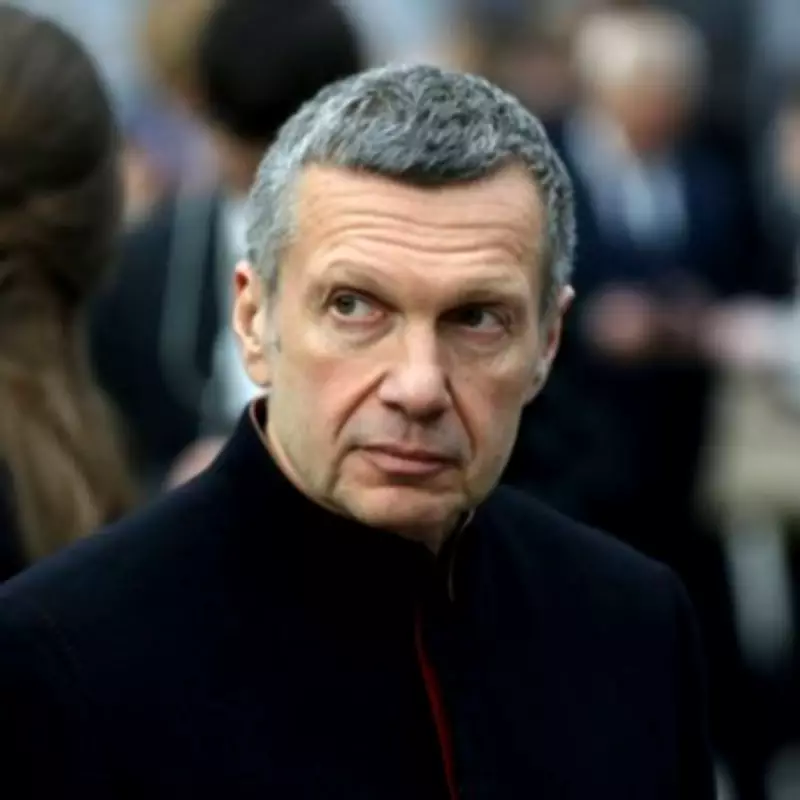
In a chilling broadcast, a prominent Russian propagandist has issued a stark nuclear warning to Western nations, suggesting that Vladimir Putin may have no alternative but to deploy atomic arms. The remarks were made by Vladimir Solovyov, a key figure on Russian state television, during his prime-time programme.
Escalating Rhetoric on State Television
Solovyov referenced unsubstantiated assertions from Russia's Foreign Intelligence Service (SVR), which allege that Britain and France are actively collaborating to supply Ukraine with nuclear capabilities. He emphasised that these developments leave Russia with limited strategic choices.
Direct Quotes from the Broadcast
"The West has manifested itself," Solovyov declared. "We shouldn't harbour any illusions about them, and the policies they are currently pursuing may lead, as I've often said in this studio—people didn't believe me, but objectively speaking, this scenario is what everything is coming to—the use of nuclear weapons."

He further elaborated, "Especially considering information that came in from the Foreign Intelligence Service, what other options do we have? This is very sad, but who needs the world if Russia won't be in it? This is what our supreme commander-in-chief said."
Context and Implications
This statement amplifies existing tensions between Russia and Western powers, particularly in the context of the ongoing conflict in Ukraine. Solovyov's comments reflect a broader pattern of aggressive rhetoric from Russian media figures, often aligned with governmental narratives.
The reference to Putin as the "supreme commander-in-chief" underscores the propagandist's alignment with Kremlin positions, potentially signalling a hardening stance in diplomatic exchanges. Analysts note that such broadcasts are designed to influence both domestic and international perceptions.
Broader Strategic Concerns
While the SVR's claims remain unverified by independent sources, Solovyov's warning highlights the precarious nature of current geopolitical dynamics. The suggestion of nuclear escalation raises alarms about potential miscalculations or provocations in an already volatile environment.
Western officials have consistently denied providing nuclear weapons to Ukraine, framing such allegations as disinformation aimed at justifying Russian aggression. Nonetheless, Solovyov's remarks contribute to a climate of heightened uncertainty and risk.
Ongoing Developments
As this story continues to unfold, observers are monitoring Russian state media for further indications of policy shifts or escalatory language. The international community remains vigilant, with many calling for renewed diplomatic efforts to de-escalate tensions and prevent catastrophic outcomes.