Russia and Ukraine have reached a fragile agreement for a temporary ceasefire to coincide with Orthodox Easter celebrations this weekend. The announcement marks a rare moment of diplomatic coordination between the two warring nations, though tensions remain high with both sides accusing each other of previous violations.
Ceasefire Details and Timing
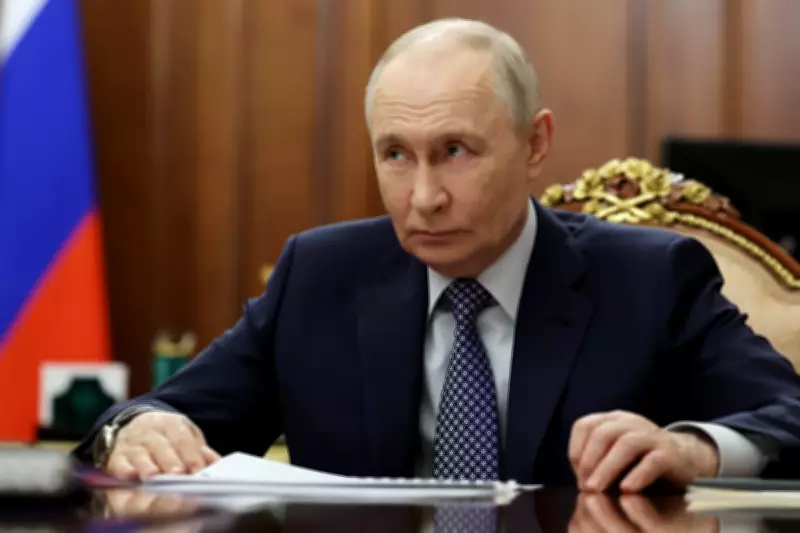
Russian President Vladimir Putin declared a 32-hour cessation of hostilities, scheduled to begin on Saturday at 4pm local time, which corresponds to 1300 GMT. The ceasefire is set to last until midnight on Sunday evening, or 2100 GMT. Ukrainian President Volodymyr Zelensky confirmed that Kyiv would abide by the measure, noting that Ukraine had previously proposed a halt to fighting for the religious holiday.
The Kremlin has instructed Russian forces to cease all military action during this period but emphasised that troops must remain prepared for any potential provocations from the enemy. This cautious approach underscores the deep mistrust that persists between Moscow and Kyiv, even during brief pauses in the conflict.

Historical Context and Accusations
This ceasefire follows a similar 30-hour truce ordered last year for Orthodox Easter, which both sides subsequently accused each other of violating. The pattern of short-lived ceasefires being broken has become a recurring feature of this protracted war, with each nation blaming the other for undermining peace efforts.
In a stark reminder of the ongoing violence, reports indicate that Moscow lost approximately 1,100 troops in a single day prior to the ceasefire announcement. This heavy toll highlights the intense fighting that has characterised recent engagements, making the temporary pause all the more significant for humanitarian relief and diplomatic gestures.
International Reactions and Strategic Implications
The agreement has drawn mixed reactions from international observers. Some view it as a positive step towards de-escalation, while others remain sceptical given the history of broken ceasefires. The fragile nature of the truce reflects the broader challenges in achieving a lasting peace, with both sides deeply entrenched in their positions.
As the ceasefire takes effect, all eyes will be on whether it holds for its full duration or if violations occur, potentially reigniting hostilities. The outcome could influence future diplomatic efforts and the trajectory of the conflict, making this a critical moment in the ongoing war between Russia and Ukraine.