Russia Issues Dire Warning of Retaliatory Strikes Against Europe
In a dramatic escalation of geopolitical tensions, Russia has issued a stark warning of potential retaliatory strikes on European nations. This threat comes in direct response to the death of Iran's supreme leader, Ayatollah Ali Khamenei, who was killed yesterday by targeted US military strikes. The situation has rapidly developed into a critical international crisis, with Moscow positioning itself as a key ally to Tehran in the aftermath of the attack.
Putin's Condolences and Moscow's Ominous Hint
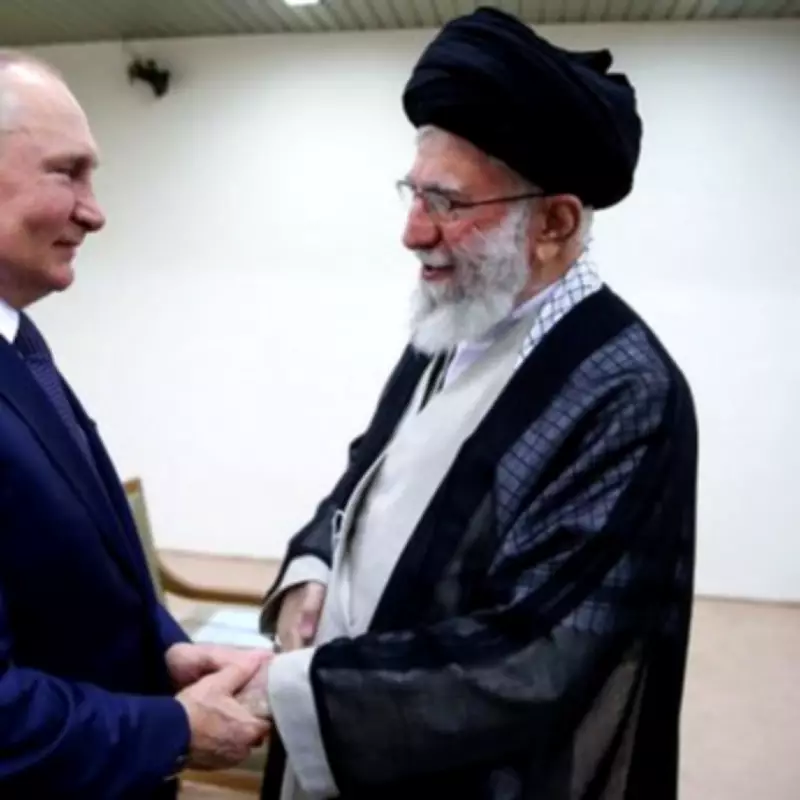
Russian President Vladimir Putin publicly expressed his official condolences for the loss of the Iranian leader, emphasizing the close strategic partnership between Moscow and Tehran. Shortly after this statement, Russian officials hinted broadly at the possibility of launching revenge attacks, explicitly naming European territories as potential targets. This move represents a significant and alarming shift in Russia's foreign policy posture, directly linking events in the Middle East to the security of the European continent.
The threat underscores the deepening alliance between Russia and Iran, which has been strengthened through shared opposition to Western powers. Analysts suggest that Moscow may be using this moment to test NATO's resolve and to project its military influence beyond the ongoing conflict in Ukraine. The explicit mention of Europe as a target for retaliation marks a dangerous new phase in the already volatile international landscape.

Background and Immediate Fallout
The US strikes that resulted in Khamenei's death were reportedly a precision operation aimed at a high-value target, though full details remain classified. The immediate global reaction has been one of profound concern, with European leaders urgently convening to assess the threat level and coordinate a response. The European Union has called for an emergency session to discuss collective security measures and potential diplomatic initiatives to de-escalate the situation.
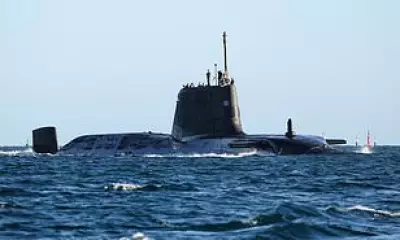
Security experts warn that any Russian military action against Europe would likely involve advanced missile systems or cyber warfare capabilities, given the logistical challenges of conventional ground operations. NATO has placed its forces on heightened alert, with member states reviewing their defense postures and readiness levels. The alliance's Article 5 collective defense clause could be invoked if an attack occurs, potentially drawing the entire transatlantic community into a broader conflict.
Broader Implications for Global Stability
This development threatens to unravel decades of relative stability in Europe, which has largely avoided direct interstate conflict since the end of the Cold War. The explicit threat from Moscow also complicates ongoing diplomatic efforts to resolve other international disputes, including the war in Ukraine and nuclear negotiations with Iran. The global community is now facing a multifaceted crisis that intertwines Middle Eastern volatility with European security concerns.
Economic markets have reacted with volatility, as investors fear the potential for disrupted energy supplies and broader trade disruptions. The situation remains fluid, with all parties closely monitoring Russian military movements and diplomatic communications. The coming days will be critical in determining whether this threat materializes into action or if diplomatic channels can avert a catastrophic escalation.