Senior Belgian politicians and top finance executives have been subjected to a systematic campaign of intimidation orchestrated by Russian military intelligence, according to European security agencies. The operation is aimed at pressuring Belgium to block the European Union from using €185 billion in frozen Russian central bank assets to fund Ukraine's war effort.
The Target: Euroclear and Belgian Leadership
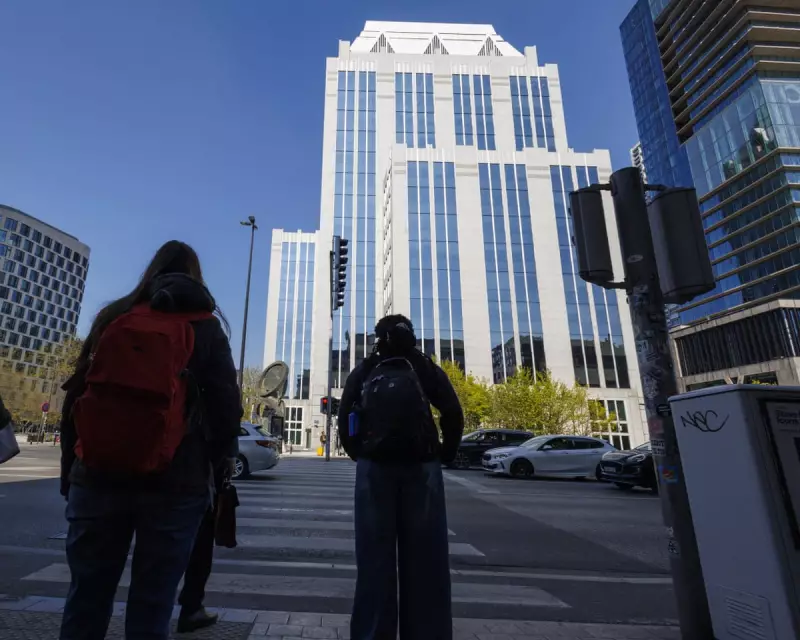
Security officials have indicated to the Guardian that the campaign has deliberately focused on key figures at Euroclear, the Brussels-based securities depository that holds the vast majority of Russia's immobilised assets within the EU. Since the full-scale invasion of Ukraine began, the EU has frozen approximately €210bn in Russian central bank reserves, with €185bn of that sum sitting at Euroclear.
Among those directly threatened is Valérie Urbain, the Chief Executive of Euroclear, along with other senior executives at the financial services group. Reports indicate that Urbain has required security protection for over a year, initially seeking police assistance before hiring private security firms.
Political Pressure and Legal Warnings
The intimidation efforts coincide with a critical EU summit in Brussels, where leaders are debating whether to approve an initial €90 billion loan to Ukraine, secured against the frozen Russian funds. This financing is seen as crucial to maintaining Kyiv's military capabilities through 2026 and 2027.
Belgium's Prime Minister, Bart De Wever, has publicly acknowledged the pressure, stating in an interview: "Moscow has told us that if we touch the money, we would feel the consequences until eternity." He has highlighted the risks of Russian countermeasures, including the potential seizure of Western assets held in Russia.
Belgium has insisted on legal safeguards, demanding guarantees that Euroclear would be fully reimbursed if Russia successfully sues for the return of its assets. The Russian central bank has already filed a lawsuit seeking $230 billion in damages from Euroclear in a Russian court.
Broader Implications for Ukraine and the West
Ukrainian officials stress the existential importance of the EU loan. Nataliia Shapoval of the KSE Institute in Kyiv warned that without fresh international financing, "big problems would arise from quarter two" of 2025, forcing difficult trade-offs between defence and social spending.
While the UK, which holds an estimated €27bn in frozen Russian assets, supports the plan, Belgium is urging other nations holding Russian reserves—totalling around €290bn globally—to act in solidarity to spread the legal and financial risk.
Intelligence agencies attribute the intimidation campaign to Russia's GRU military intelligence, though assessments vary on the immediacy of the threat. One European official confirmed: "They have been engaged in the tactics of intimidation for sure." The Belgian government has declined to comment on specific threats, citing security reasons.