Russia is actively supplying Iran with critical intelligence to assist in targeting American military forces across the Middle East, according to a new investigative report. This development emerges as Moscow rushes to bolster its ally during an intense joint US-Israeli bombing campaign, and it threatens to create a significant diplomatic rift between former President Donald Trump and Russian leader Vladimir Putin.
Intelligence Sharing Amid Escalating Conflict
Since the outbreak of hostilities last Saturday, Russian authorities have been providing Iranian military commanders with precise locations of key US assets, including warships and aircraft operating in the region. Three senior officials, speaking on condition of anonymity, confirmed these details to The Washington Post, highlighting a covert cooperation that could dramatically alter the battlefield dynamics.
Wider Regional Implications
The conflict has rapidly expanded beyond traditional Middle Eastern borders, with Iranian retaliatory strikes now reported in distant locations such as Azerbaijan and Sri Lanka. This geographical spread underscores the increasingly global nature of the confrontation, which began with US and Israeli operations against Iranian targets.

Russia has officially condemned the military actions as "an unprovoked act of armed aggression" by the United States and Israel. This stance persists despite Moscow's own controversial military campaign in Ukraine, creating a complex geopolitical landscape where alliances and accusations intersect unpredictably.
Nuclear Proliferation Concerns
Moscow has issued stark warnings that continued Western pressure on Iran could backfire spectacularly. Russian officials suggest that such actions might actually strengthen factions within Iran that advocate for pursuing nuclear weapons capabilities—precisely the outcome that American strategists have long sought to prevent through diplomatic and military means.
Operational Uncertainties and Military Assessments
The exact extent of Russian assistance in targeting operations remains somewhat unclear, according to intelligence sources. However, officials note that Iran's ability to locate and engage US forces has noticeably degraded after just one week of sustained combat, suggesting either limitations in the intelligence provided or challenges in its operational application.
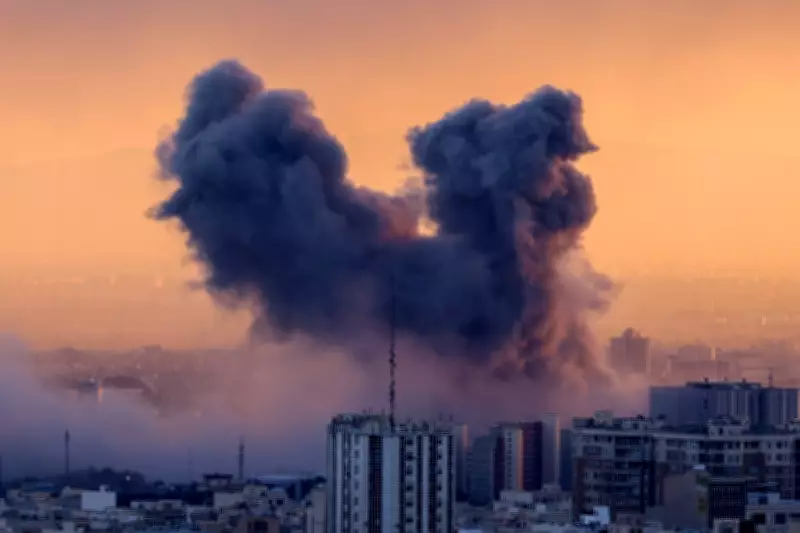
American military forces show no signs of reducing their operational tempo. Joint US-Israeli strikes have reportedly resulted in at least 1,200 casualties within Iran, according to Tehran's own authorities. The conflict has now entered its seventh consecutive day with escalating intensity on multiple fronts.
Political Ramifications and Diplomatic Strains
The intelligence revelations could seriously undermine the historically warm relationship between Donald Trump and Vladimir Putin. Trump has maintained notably closer ties with the Russian president than his presidential predecessors, consistently expressing sympathy for Moscow's perspective regarding the Ukraine conflict.
In a characteristically blunt social media post on Truth Social, Trump declared: "There will be no deal with Iran except UNCONDITIONAL SURRENDER." He elaborated that only after such surrender and the installation of acceptable leadership would the US and its allies work to rebuild Iran "economically bigger, better, and stronger than ever before."
Military Escalation Forecast
US Secretary of Defence Pete Hegseth provided a sobering assessment of coming operations, stating unequivocally that "the amount of firepower over Iran and over Tehran is about to surge dramatically." He detailed that this escalation would involve additional fighter squadrons, enhanced capabilities, improved defensive systems, and more frequent bomber missions.
White House spokeswoman Anna Kelly addressed the situation without directly commenting on potential Russian involvement, asserting that "the Iranian regime is being absolutely crushed." She cited diminishing ballistic missile retaliation, naval losses, demolished production capacity, and weakened proxy forces as evidence of Tehran's deteriorating military position.

As the conflict intensifies, the emerging intelligence partnership between Russia and Iran introduces dangerous new variables into an already volatile regional equation, with potential consequences extending far beyond immediate military engagements to reshape great power relationships for years to come.