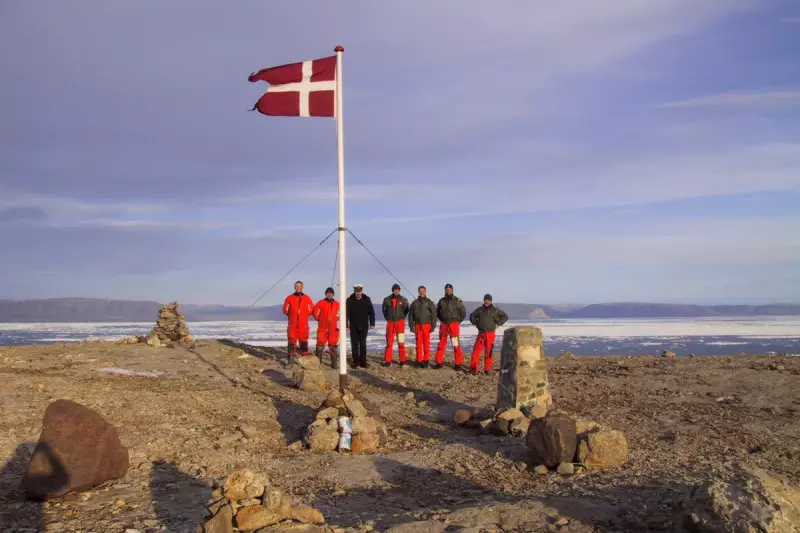
The Kremlin has formally stated that Russia views Greenland as an integral part of Denmark, labelling the island's security status as "extraordinary" under international law. This declaration comes amidst renewed geopolitical interest in the Arctic region, notably from former US President Donald Trump, who has reiterated his desire to acquire the territory.
Moscow's Stance and Accusations of Double Standards
In a statement on Friday 16 January 2026, Russian officials firmly rejected Western narratives suggesting that Russia and China pose a direct threat to Greenland. The Kremlin spokesperson characterised such assertions as hypocritical, accusing Western powers of exhibiting clear double standards in their foreign policy approach. The Russian position seeks to frame the discussion within the context of established international law, where Greenland's constitutional ties to the Kingdom of Denmark are recognised.
Trump's Persistent Ambition and European Backlash
Simultaneously, former President Donald Trump has publicly stated he "won't give up options" regarding a potential acquisition of Greenland, emphasising its strategic importance for national security. This long-standing interest, first aired during his presidency, has once again triggered significant concern and resistance among European allies. The prospect of a major NATO member attempting to purchase territory from another has been met with alarm.

NATO Solidarity Under Scrutiny
The situation has drawn sharp criticism from European leaders, highlighting potential fractures within the alliance. Polish Prime Minister Donald Tusk issued a stark warning, stating that any attempt by one NATO member to take over another's territory would constitute a political disaster. He emphasised that such actions would fundamentally undermine the alliance's foundational solidarity, which is built on mutual respect and territorial integrity. The comments underscore the delicate balance within NATO, where the actions of individual members can have profound consequences for collective security.
The convergence of these statements from Moscow and Washington places Denmark in a complex diplomatic position, balancing its NATO commitments with the management of its vast autonomous territory. The debate over Greenland's future continues to serve as a flashpoint for broader discussions on Arctic sovereignty, great power competition, and the resilience of international alliances.