Marco Rubio Personally Approved Arrests of Pro-Palestine Students, Documents Show
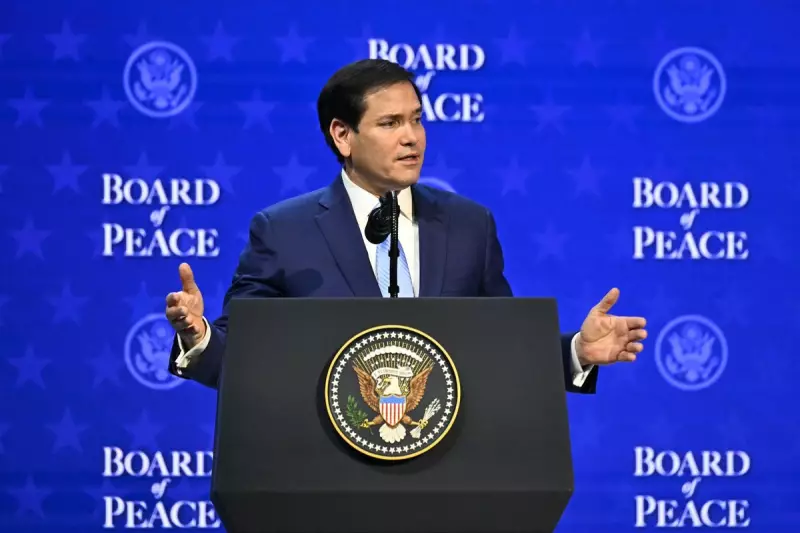
Government documents unsealed by a federal judge have revealed that Secretary of State Marco Rubio personally authorised the arrest and removal of five international student activists due to their Palestinian advocacy and writings against the war in Gaza. The ruling, issued by District Judge William Young, found that administration officials, including Rubio and Homeland Security Secretary Kristi Noem, engaged in what he described as an "unconstitutional conspiracy" by violating the students' First Amendment rights.
Internal Warnings Ignored by Administration
Internal memos disclosed in the case show that a senior diplomat explicitly cautioned Rubio against targeting these students. The diplomat warned that stripping visas over speech-protected actions would likely lead to significant lawsuits and legal challenges. Despite this clear advice, the administration proceeded with the arrests, alleging antisemitism and support for terrorist groups among the activists.
However, the internal documents indicated a stark lack of evidence for such claims. One memo explicitly stated there was no evidence of antisemitic activity or support for a terrorist organisation by a targeted scholar. This revelation raises serious questions about the basis for the administration's actions and the decision-making process at the highest levels of government.

Judge's Ruling and Ongoing Legal Battle
Judge Young's ruling was unequivocal in its condemnation of the administration's conduct. He ordered that any further attempts to deport the students involved in the lawsuit would likely be considered unlawful retaliation. This legal protection comes despite the administration continuing to seek their deportation through other channels.
The case highlights the ongoing tension between national security concerns and the protection of constitutional rights. The students, who were participating in pro-Palestine protests and advocacy on university campuses, found themselves at the centre of a high-stakes legal and political battle that has now exposed internal government disagreements.
Broader Implications for Free Speech and Student Activism
This incident has significant implications for:
- International students in the UK and US who engage in political advocacy
- The boundaries of First Amendment protections for non-citizens
- Government accountability in national security decisions
- The role of internal government warnings in policy implementation
The documents reveal a concerning pattern where internal cautions were overridden by political considerations, resulting in actions that a federal judge has now deemed unconstitutional. As the administration continues to pursue deportation proceedings, this case is likely to set important precedents regarding the rights of international students and the limits of government authority in responding to political activism.