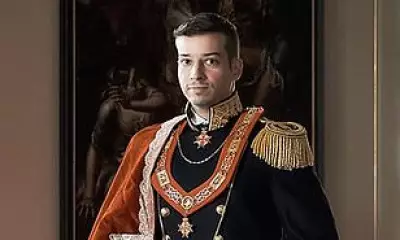
From his base in the United States, Reza Pahlavi, the son of Iran's last monarch, has become a vocal figurehead for protesters challenging the Islamic Republic. His calls for continued demonstrations have resonated with many inside the country, yet his potential role as a leader remains deeply contentious.
The Exiled Heir's Rallying Cry
Reza Pahlavi, living in exile, has actively sought to galvanise the protest movement within Iran. He has used his platform to encourage citizens to maintain pressure on the ruling theocracy, positioning himself as a symbolic figure of opposition. Chants in support of Pahlavi have been reported on the streets of Tehran and other cities, suggesting his name carries weight among some segments of the discontented populace.
A Divisive Figure and a Complicated Legacy
However, Pahlavi is far from a universally accepted figure. As the heir to the regime of his father, the late Shah Mohammad Reza Pahlavi, his legacy is inextricably linked to a period remembered for its authoritarian rule and violent suppression of dissent. For many Iranians, particularly older generations, the Pahlavi name evokes memories of the feared SAVAK secret police and a monarchy overthrown by the 1979 revolution. Consequently, his potential return to a position of influence is viewed with profound suspicion by a significant portion of the population.

Protest Chants: Support or Symbol of Desperation?
Analysts suggest that the shouts of support for Pahlavi heard during protests may reflect a complex political reality. These chants may be less about a genuine desire to restore the monarchy and more an expression of seeing him as the most prominent alternative to the current 'dead end'. For some protesters, he represents a known quantity and a potential figurehead around which to coalesce, in the absence of other clear, unified leadership within the opposition movement. It is crucial to note that the growing wave of protests in Iran, often led by women and youth, does not inherently signal a widespread popular wish to return to a monarchical system.
The situation remains fluid and fraught with historical baggage. While Reza Pahlavi has succeeded in inserting himself into the narrative of Iranian resistance, his path to becoming a viable, unifying opposition leader is blocked by the shadow of his family's past and the diverse aspirations of those protesting on the ground.