In a significant yet constrained development, Israel has agreed to a limited reopening of the Rafah border crossing between Gaza and Egypt. This move permits a small number of Palestinians on foot to cross, offering a fragile lifeline for those seeking urgent medical treatment abroad. The crossing, which Israeli forces seized control of in May 2024 citing security concerns over weapons smuggling by Hamas, had previously isolated the territory, severing a critical conduit for healthcare, travel, and commerce.
A Glimmer of Hope for the Wounded and Ill
The reopening, however, comes with stringent restrictions. Israeli authorities have clarified that all movement will be subject to joint Israeli-Egyptian security screening. Initially, only a minimal number of Gaza's vast population of wounded and sick will be allowed to depart each day. An Egyptian official, speaking anonymously to the Associated Press, indicated that merely 50 Palestinians would be permitted to cross in each direction on the first day of operations.
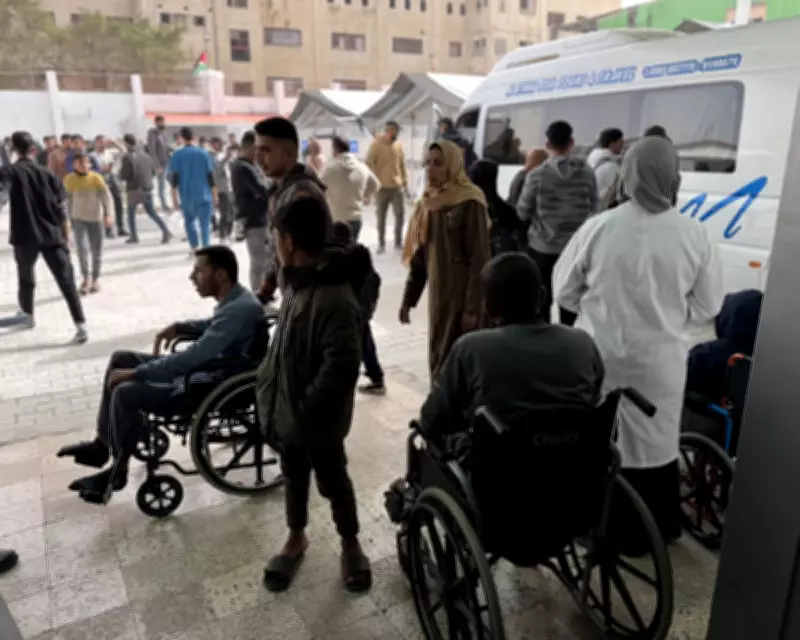
This limited access is a stark contrast to the overwhelming need. Gaza's health ministry reports that at least 20,000 patients are awaiting evacuation, with thousands registered with the World Health Organization for medical transfers. According to Doctors without Borders, more than one in five of these individuals are children. The caseload includes over 11,000 cancer patients, a figure that underscores the profound healthcare crisis.

A Healthcare System in Ruins
The Palestinian healthcare infrastructure in Gaza has been decimated by Israeli airstrikes. A devastating blow came in March 2025 when Israel destroyed the territory's only specialised cancer treatment hospital, eliminating its sole provider of oncology care. Consequently, medical professionals have been forced to operate in makeshift clinics, grappling with severe shortages of essential resources, including diagnostic tools.
Health officials in Gaza estimate that approximately 4,000 people with official referrals for treatment in third countries are currently unable to cross the border. The human cost of this delay is tragically high. The World Health Organization states that 900 people, including children and cancer patients, have already died while awaiting evacuation.
Personal Tragedies Amidst Bureaucratic Hurdles
Individual stories highlight the desperate situation. Tamer al-Burai, a 50-year-old suffering from obstructive sleep apnoea and dependent on a CPAP machine to breathe, told Reuters of his futile appeals to humanitarian groups and authorities to secure passage. For others, like 28-year-old Dalia Abu Kashef, the limited reopening arrived too late; she died last week while awaiting permission to cross for a liver transplant, her husband recounting their dashed hopes for a "happy ending."
Reunification and a Fragile Peace Process
Beyond medical evacuations, the reopening offers a rare chance for families separated by over two years of conflict to reunite. Many who fled to Cairo early in the war never anticipated such a prolonged displacement. Mohammad Talal, a 28-year-old currency trader whose home in Jabalia was destroyed, expressed an unwavering desire to return to Gaza, stating to Reuters his eagerness to embrace his father despite the prospect of living in a tent.
This development is viewed as a pivotal step within the broader, US-brokered ceasefire agreement, which is now transitioning into its second phase. The initial phase focused on hostage exchanges, increased humanitarian aid, and a partial Israeli troop withdrawal. The subsequent phase entails more complex objectives, including establishing a new Palestinian committee to govern Gaza, deploying an international security force, initiating Hamas disarmament, and commencing reconstruction efforts.
International Response and Monitoring
The European Union's top diplomat, Kaja Kallas, characterised the opening of the Rafah crossing as "a concrete and positive step in the peace plan" for the war-torn territory. She confirmed online that the EU's civilian mission is present to monitor crossing operations and support Palestinian border guards, underscoring the international scrutiny accompanying this fragile process.

While the limited reopening of the Rafah crossing provides a crucial, albeit minimal, outlet for medical evacuation and family reunification, it underscores the immense humanitarian challenges persisting in Gaza. The path forward remains fraught with diplomatic complexity and human suffering, as tens of thousands continue to wait for relief.