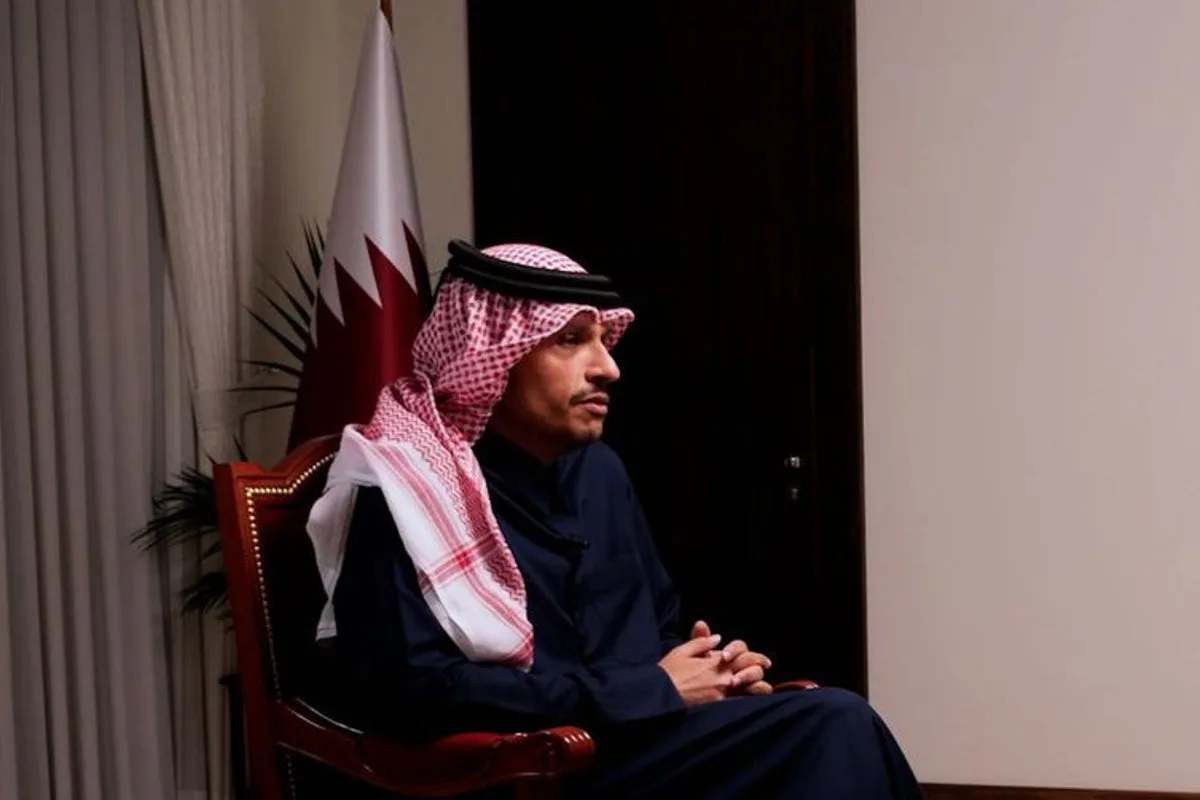
In a dramatic shift from its typically neutral diplomatic stance, Qatar's Prime Minister has issued a blunt and forceful condemnation of Iran, accusing the neighbouring nation of betrayal amid escalating military actions across the Middle East. Sheikh Mohammed bin Abdulrahman Al Thani delivered the stark rebuke in an exclusive interview with Sky News, marking his first public comments since the conflict erupted.
A Significant Departure from Neutrality
Sheikh Mohammed bin Abdulrahman Al Thani, who often serves as a key interlocutor in regional diplomacy, unleashed strong criticism of Iran's actions, describing a profound sense of betrayal. "Of course it is a big sense of betrayal. And it's the second time—that's why, for us, it has been something really significant," he stated. This represents a notable departure from Qatar's trademark neutral approach in recent years, potentially ramping up pressure on Tehran.
Details of the Attacks and Regional Fallout
The Prime Minister revealed that Qatar and other Gulf countries were attacked "right away" just an hour after the war started on February 28, describing the assault as pre-planned. One particularly intense barrage on Thursday lasted approximately ninety minutes, with all projectiles successfully intercepted by Qatar's air defences. Gulf nations have faced hundreds of missiles and drones since the conflict began, with Saudi Arabia reporting its first fatalities—two people killed when a military projectile struck a residential area.
In a sign of mounting regional anger, the Arab League chief has lashed out at Iran for its "reckless policy" of attacking neighbours, including countries hosting US forces. Bahrain has accused Iran of striking a desalination plant crucial to drinking water supplies, highlighting the war's growing toll on civilian infrastructure.
Qatar's Direct Message to Iran
The Qatari leader issued a direct warning to Iran, stating the country had made a "dangerous miscalculation" that has "destroyed everything." He emphasized Qatar's repeated assurances that it would not participate in attacks against neighbours and its role in facilitating diplomatic solutions between Iran and the United States.
Addressing the Iranian public directly—many of whom celebrated the killing of Ayatollah Ali Khamenei last week—Sheikh Mohammed urged an immediate cessation of hostilities. "Our message to the Iranian nation: they have to stop the attacks right away, instantly," he declared. "What happened is really a huge hiccup for the relationship we had with Iran. We will continue talking to the Iranians, we will continue trying to seek de-escalation. At the end of the day, they are our neighbours."
International Support and Military Engagements
The Prime Minister expressed gratitude for British support, specifically praising the United Kingdom's "outstanding" assistance. This positive remark contrasts sharply with recent criticism from US President Donald Trump. A Royal Air Force Typhoon fighter jet recently shot down an Iranian drone believed to be headed toward Qatar, marking the first such interception by a British aircraft since the conflict began.
Damaged US bases in the Middle East, including the al-Udeid base in Qatar where approximately 10,000 American troops are typically deployed, underscore the conflict's broad impact. According to Qatar's Ministry of Defence, nine out of ten drone attacks targeting the country were intercepted, with the tenth striking an uninhabited area and causing no injuries.
Economic Warnings and Oil Price Concerns
Qatar's Energy Minister, Saad al-Kaabi, has issued grave warnings about the conflict's potential economic consequences. In an interview with the Financial Times, he cautioned that the war could trigger a new crisis, potentially driving oil prices above $150 per barrel—more than double the pre-war range of $60 to $70. Crude prices have already surged around 7 percent to over $90 per barrel.
"Such a rise will 'bring down the economies of the world'," al-Kaabi warned. "If this war continues for a few weeks, GDP growth around the world will be impacted. Everybody's energy price is going to go higher. There will be shortages of some products and there will be a chain reaction of factories that cannot supply."
The minister further indicated that Gulf energy exporters might shut down production, exacerbating price increases. Even if the war ends soon, he noted, it could take weeks or months for production cycles to normalize.
Retaliatory Strikes and Ongoing Tensions
On Saturday, Tehran launched a series of furious retaliatory strikes across the Middle East, targeting Qatar, Iraq, Saudi Arabia, and Israel. These actions have intensified regional instability, with Qatar's Prime Minister emphasizing the urgent need for de-escalation. "My message to them is you shouldn't include any of the other countries in this war," he asserted. "If these attacks are ongoing, there will be no-one able to help them or to start voicing some reason because everyone is busy engaging and defending their countries."
The situation remains fluid, with diplomatic channels strained and military engagements continuing to shape the geopolitical landscape of the Middle East.