High-stakes peace negotiations involving Ukraine, Russia and the United States commenced in Abu Dhabi on Friday, with Russian President Vladimir Putin presenting a controversial demand that Ukraine withdraw its military forces from eastern territories that Moscow has illegally annexed. The talks, scheduled to continue over two days, represent the first known instance where officials from Donald Trump's administration have simultaneously engaged with both Ukrainian and Russian negotiators since the full-scale invasion began nearly four years ago.
Key Demands and Diplomatic Manoeuvres
The United Arab Emirates foreign ministry confirmed the discussions are proceeding "as part of ongoing efforts to promote dialogue and identify political solutions to the crisis." However, the Kremlin has established a firm precondition for any potential agreement, insisting that Kyiv must order troop withdrawals from areas in eastern Ukraine that Russia annexed following its 2022 invasion, despite never having achieved full military control over these regions.
Zelenskyy's Alternative Proposal
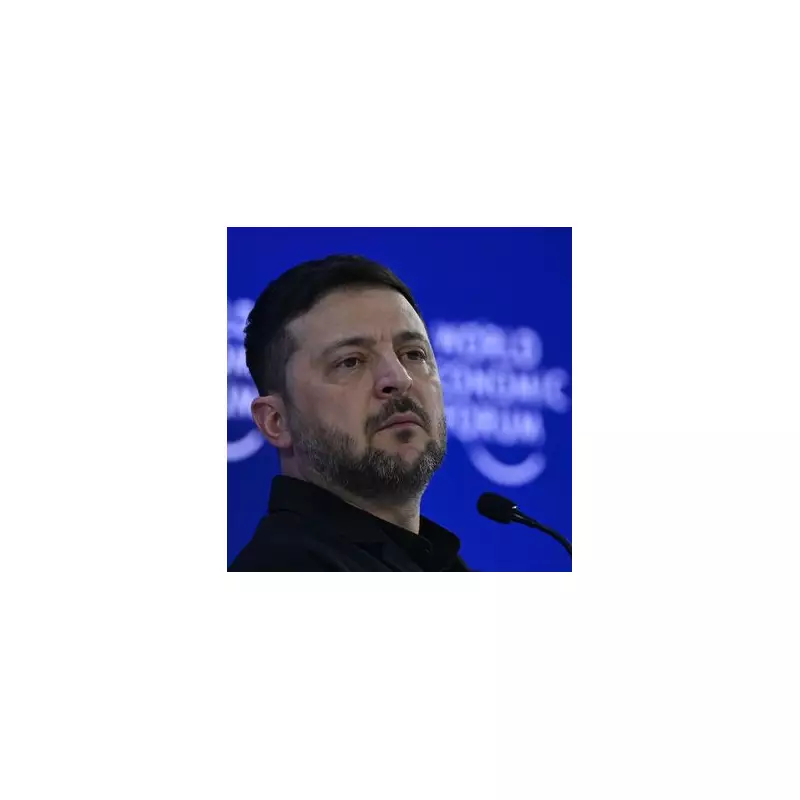
Ukrainian President Volodymyr Zelenskyy, who identified the future status of the Donbas region as a central focus of negotiations, has countered with his own economic initiative. He has reiterated openness to establishing a free trade zone under Ukrainian control in the country's eastern territories, a proposal he discussed directly with President Trump during their meeting at the World Economic Forum in Davos, Switzerland on Thursday.

"I think it will be positive for our business," Zelenskyy told reporters following what he described as a "productive and meaningful" hour-long closed-door discussion with the American leader. The Ukrainian president later indicated via a WhatsApp audio message to journalists that while the future status of Russian-occupied eastern Ukrainian land remains unresolved, peace proposals are "nearly ready."
Complex Negotiation Dynamics
The Abu Dhabi talks followed marathon overnight discussions between Putin and Trump's envoys that extended past 3am on Friday. Kremlin foreign affairs adviser Yuri Ushakov, who participated in these preliminary meetings, emphasised that "reaching a long-term settlement can't be expected without solving the territorial issue," underscoring Moscow's persistent focus on territorial concessions.
Kremlin spokesman Dmitry Peskov provided limited details about the ongoing negotiations, describing them merely as a "working group on security issues" comprised of military officials. He confirmed the talks could potentially extend into Saturday "if necessary," while separately noting that Putin's envoy Kirill Dmitriev will hold parallel discussions with Trump's envoy Steve Witkoff concerning economic matters.
Broader Context and Challenges
President Trump, speaking aboard Air Force One while returning to Washington from Davos, expressed optimism about the diplomatic efforts, stating that his meeting with Zelenskyy went well and that both the Ukrainian and Russian leaders want to reach a settlement. "Everyone's making concessions" to try to end the conflict, Trump observed, though he provided no specific details about what compromises might be under consideration.
The negotiations unfold against a complex military and economic backdrop. Russia's larger army has captured approximately one-fifth of Ukrainian territory since hostilities began in 2014, with significant expansion following the 2022 full-scale invasion. However, Moscow's battlefield gains along the roughly 600-mile front line have come at enormous cost, with the Russian economy feeling substantial pressure from both the war effort and international sanctions.
Ukraine faces its own severe challenges, including financial shortages and continued dependence on Western weaponry despite significantly boosting domestic arms manufacturing. The country also confronts personnel issues on the front line, with its defence minister recently reporting around 200,000 troop desertions and approximately two million Ukrainians avoiding military conscription.

Zelenskyy has simultaneously criticised European allies for what he characterises as their slow and fragmented response to Ukraine's needs, arguing that this inadequate support has left his country vulnerable to Russian aggression amid the American push for a peace settlement. The Ukrainian president confirmed that following the three-way format discussions involving Ukraine, Russia and the United States, European partners would "certainly receive feedback" about the proceedings.