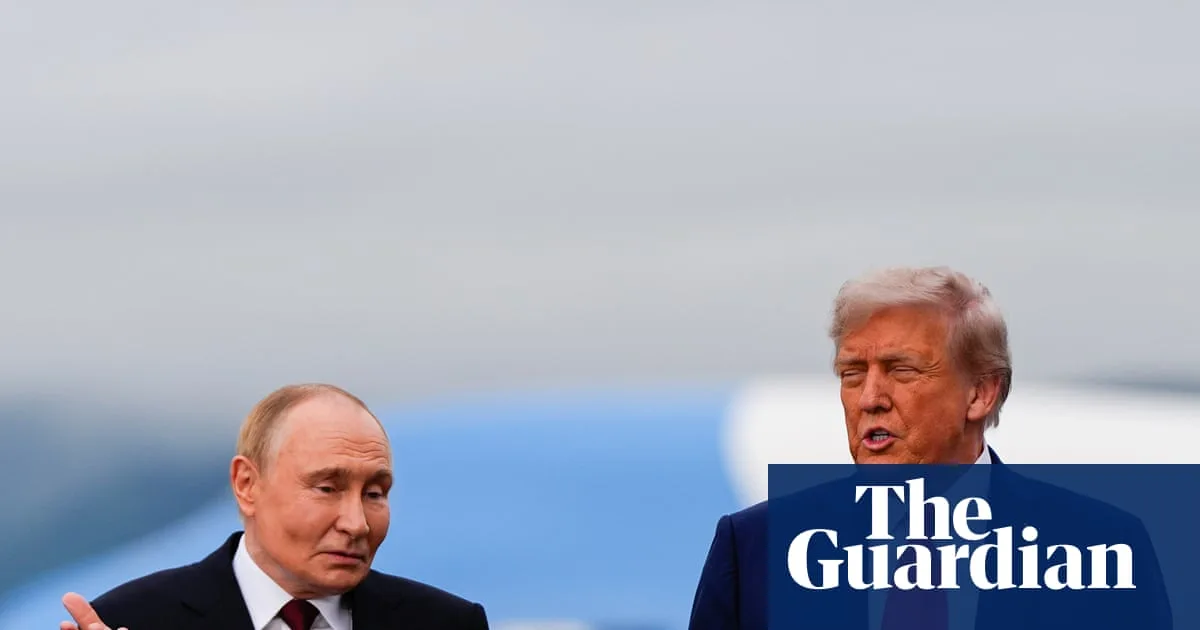
The Kremlin has confirmed that Russian President Vladimir Putin has received an invitation to join a 'board of peace' established by former US President Donald Trump, intended to oversee a ceasefire in Gaza. This development emerges as Russia's war in Ukraine continues with no end in sight.
Kremlin Seeks Clarification on Trump's Offer
Speaking to journalists on Monday, Kremlin spokesperson Dmitry Peskov stated that Moscow is working to 'clarify all the nuances' of the offer with Washington before formulating a formal response. The invitation, which has not been officially confirmed by US authorities, was extended last week as part of Trump's proposals for ending the conflict in Gaza.
The proposed board was originally conceived to supervise the transition to a lasting peace in the territory and to oversee a committee of Palestinian experts tasked with Gaza's day-to-day administration. This vaguely outlined scheme was endorsed in a United Nations Security Council resolution in November.
Board Membership and Global Implications
The first appointments to the board, announced on Friday, include:
- Donald Trump as chair
- Former British Prime Minister Tony Blair
- Current US Secretary of State Marco Rubio
- Trump's troubleshooting envoy and property developer Steve Witkoff
- The president's son-in-law, Jared Kushner
- World Bank President Ajay Banga
Reports over the weekend revealed that invitations were also sent to the leaders of Argentina, Paraguay, Turkey, and Egypt, among others. According to US media, the invitation letters contained a 'charter' stating the board would seek to 'solidify Peace in the Middle East' and 'embark on a bold new approach to resolving Global Conflict'. Membership is reported to carry a cost of $1 billion per country.
The potential inclusion of Vladimir Putin in a global peace body adds significant weight to longstanding accusations that Trump favours the Russian leader, especially while Putin shows no signs of ending the invasion of Ukraine. Hundreds of thousands have been killed in the conflict, with Russian forces accused of multiple atrocities against civilians.
Parallel Diplomatic Moves and Reactions
In a related development, the Kremlin announced that Putin's special envoy, Kirill Dmitriev, will attend the World Economic Forum in Davos this week and meet with members of the US delegation. It remains unclear if the Gaza board will be discussed.
Simultaneously, Trump has been escalating pressure on European nations regarding his ambitions for Greenland, an autonomous Danish territory. He has imposed punitive measures on countries objecting to his plans, including the UK.
UK Prime Minister Keir Starmer denounced these tariffs as 'completely wrong' on Monday, reiterating that any decision on Greenland's future rests solely with its people and Denmark. However, Starmer did not commit to retaliatory tariffs and downplayed the prospect of US military action.
Commenting on the Greenland situation, Kremlin spokesperson Peskov suggested a US takeover would 'certainly go down in history', regardless of its legality or global reception.
This flurry of diplomatic activity, juxtaposing a peace board invitation with ongoing war and territorial disputes, presents a complex and contradictory international landscape, raising profound questions about the future direction of US foreign policy under a potential Trump administration.






