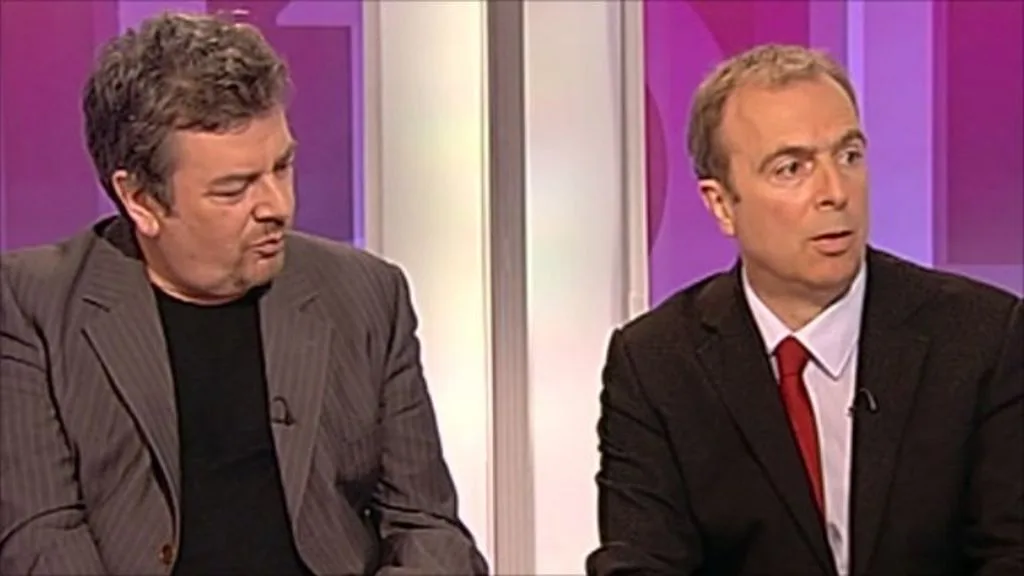
In a stark and sobering analysis, renowned columnist Peter Hitchens has issued a powerful warning against Western ambitions to overthrow the current regime in Iran. Drawing on historical parallels, he argues that such an action could unleash forces far more dangerous and unpredictable than the status quo.
A Warning from the Past
Hitchens points directly to the complex and often tragic history of foreign intervention in the Middle East as his primary evidence. He stresses that the desire to remove a hostile government, while understandable, frequently ignores the chaotic aftermath that follows. The columnist reminds readers that similar strategies in Iraq and Libya did not deliver promised stability, but instead created power vacuums filled by extremism and prolonged suffering.
The current Iranian government, led by a theocratic establishment, is undoubtedly repressive and a source of regional tension, Hitchens acknowledges. However, he urges policymakers and the public to look beyond simple regime change narratives. The fundamental question he poses is not about the nature of the present rulers, but about what could plausibly replace them and whether the West would have any control over the outcome.
The Dangers of Unintended Consequences
Hitchens's central argument hinges on the law of unintended consequences. He suggests that the collapse of the existing order could easily pave the way for widespread civil war, the fragmentation of the Iranian state, or the rise of even more radical factions. The regional implications, he notes, would be severe, potentially drawing neighbouring powers into conflict and destabilising global energy supplies.
"We must be careful what we wish for," Hitchens cautions, encapsulating his thesis. He argues that the West has a poor track record of engineering political outcomes in culturally and religiously complex nations like Iran. The passionate desires of exiled opposition groups, he suggests, do not always translate into viable, popular governance on the ground.
A Call for Realistic Statecraft
Instead of pursuing covert or overt action to topple the regime, Hitchens advocates for a more realistic and cautious form of statecraft. This would involve managing a difficult relationship with Tehran through diplomacy and deterrence, however frustrating that may be. The goal, he implies, should be containment and incremental change rather than revolutionary upheaval, which carries existential risks.
His commentary serves as a direct challenge to the more hawkish voices in Western foreign policy circles who view regime change as a neat solution to the 'Iran problem'. Hitchens concludes that history's lesson is clear: the devil you know can sometimes be preferable to the chaos you don't. The path of least danger may lie in enduring a known adversary rather than gambling on an unknown and potentially catastrophic future.






