Pakistan's Defense Minister Announces 'Open War' with Afghanistan Following Escalated Hostilities
Pakistan's Defense Minister Khawaja Mohammad Asif declared on Friday that his country has entered an "open war" with neighboring Afghanistan, stating that Pakistan's "patience has now run out." This announcement comes after both nations launched military strikes in response to what Islamabad described as an Afghan cross-border attack, marking a significant escalation in regional tensions.
Background of the Conflict
In a social media post, Asif expressed disappointment that Pakistan had hoped for peace in Afghanistan following the withdrawal of NATO forces, expecting the Taliban to focus on domestic welfare and regional stability. Instead, he accused the Taliban of transforming Afghanistan into "a colony of India," gathering militants globally and "exporting terrorism." These allegations follow Pakistan's longstanding accusations against India for supporting insurgent groups like the Baloch Liberation Army and Pakistani Taliban, which New Delhi consistently denies.
Military Strikes and Conflicting Claims
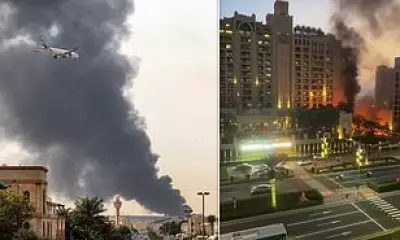
The defense minister's statement followed hours of Pakistani airstrikes targeting Afghanistan's capital Kabul, southern Kandahar, and southeastern Paktia province. Pakistani officials described these strikes as retaliation for Afghan cross-border attacks, while Afghanistan's government spokesperson Zabihullah Mujahid confirmed the locations.

Casualty reports from both sides vary dramatically and remain unverified independently:
- Afghanistan's Defense Ministry claimed 55 Pakistani soldiers killed, some bodies taken into Afghanistan, with several captured alive. They reported eight Afghan soldiers killed, eleven wounded, and destruction of 19 Pakistani army posts and two bases.
- Pakistan's Information Minister Attaullah Tarar stated only two Pakistani soldiers died with three wounded.
- Prime Minister Shehbaz Sharif's spokesperson Mosharraf Ali Zaidi denied any Pakistani soldiers were captured, claiming at least 133 Afghan fighters killed, over 200 wounded, with 27 Afghan posts destroyed and nine fighters captured.
Border Developments and Humanitarian Impact
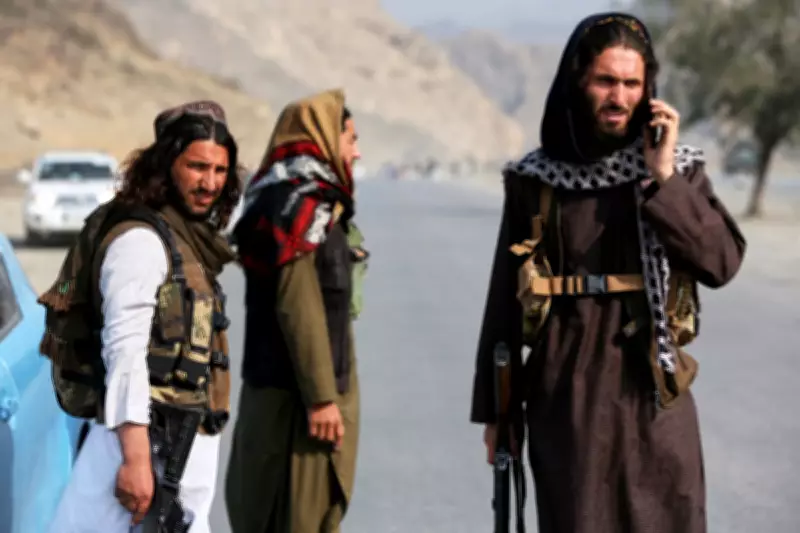
Two senior Pakistani security officials, speaking anonymously, reported that Afghan forces at some border posts raised white flags to halt firing. They described Pakistan's ongoing response as a strong retaliation to "unprovoked aggression" by the Afghan Taliban, with several key Taliban posts destroyed along the border.
The conflict has immediate humanitarian consequences, with Pakistani authorities relocating dozens of Afghan refugees waiting at the northwestern Torkham border to safer locations. This follows Pakistan's October 2023 crackdown on undocumented migrants, which has seen millions return to Afghanistan, including long-term residents who built lives and businesses in Pakistan. The UN refugee agency reported 2.9 million returns last year alone, with nearly 80,000 more this year.
Broader Accusations and Regional Context
Asif further accused the Taliban government of denying basic human rights to Afghans, particularly women's rights that he stated are guaranteed under Islam, though he provided no specific details or evidence. He emphasized Pakistan's efforts to maintain stability through direct engagement and friendly countries, asserting that "by the grace of God, our armed forces are giving a decisive response" to aggression.
This escalation occurs months after Qatar and Turkey mediated a ceasefire between the two nations, highlighting the fragile nature of regional diplomacy. The conflicting narratives and unverified claims underscore the complexity of Pakistan-Afghanistan relations, with implications for regional security and humanitarian conditions.