Pakistan's Army Chief Engages in Tehran to Facilitate US-Iran Dialogue
Pakistan's army chief is scheduled to meet with Iranian officials in Tehran on Thursday, aiming to reduce tensions in the Middle East and organise a second round of negotiations between the United States and Iran. This diplomatic effort follows nearly seven weeks of conflict, with Pakistan emerging as a key mediator after hosting initial direct talks between the US and Iran in Islamabad.
Chinese Foreign Minister Advocates for Strait of Hormuz Reopening
In a related development, Chinese Foreign Minister Wang Yi emphasised in a phone call with his Iranian counterpart, Abbas Araghchi, that reopening the Strait of Hormuz is a unanimous demand from the international community. Wang stated that while Iran's sovereignty, security, and legitimate rights as a littoral state should be respected, freedom of navigation and safety through the strait must be ensured. He described the current situation as a critical juncture between war and peace, noting that the window for peace is opening.
US Economic Pressure and Naval Blockade Intensify
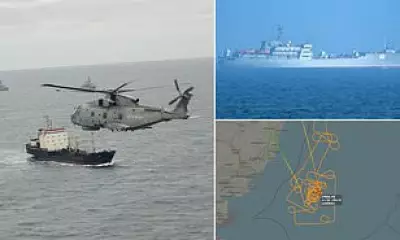
Concurrently, the US naval blockade of Iranian ports continues, with Treasury Secretary Scott Bessent announcing plans to ramp up economic pressure on Iran through new sanctions on countries doing business with it. Bessent characterised this move as the "financial equivalent" of a bombing campaign. Admiral Brad Cooper, head of US Central Command, confirmed that the blockade has been fully implemented, halting economic trade by sea and compelling compliance through force if necessary.

Regional Conflicts and Diplomatic Moves
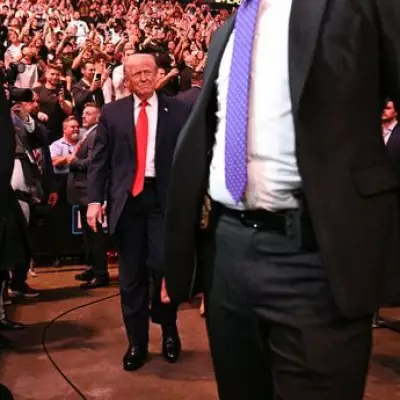
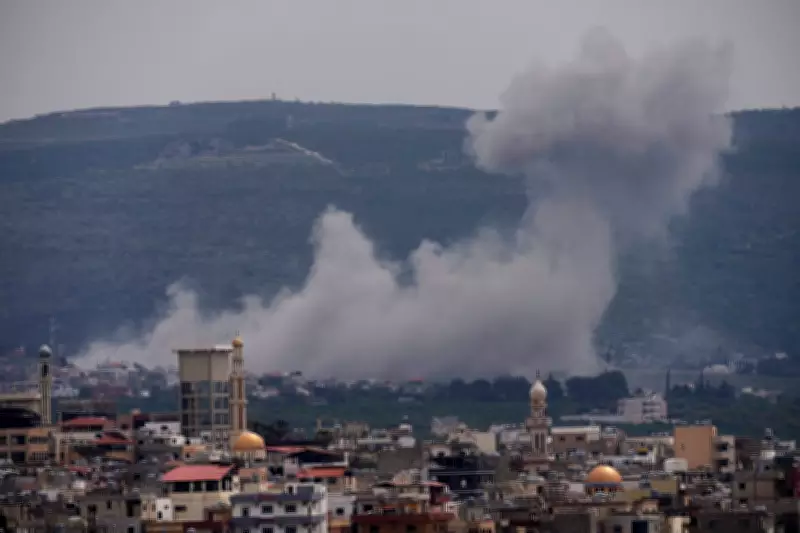
On another front, former President Donald Trump indicated on Truth Social that leaders from Israel and Lebanon would speak in a renewed effort to broker a ceasefire, following direct talks in Washington that ended without a deal. Israeli Prime Minister Benjamin Netanyahu stated that forces will continue operations in south Lebanon, while a US official noted Trump would welcome an end to the Israel-Hezbollah conflict as part of a broader peace agreement.
Humanitarian and Economic Impacts
The conflict has led to significant humanitarian and economic repercussions. In Lebanon, paramedic groups reported that four rescue workers were killed in consecutive Israeli strikes. In Iran, imprisoned Nobel Peace Prize laureate Narges Mohammadi is in critical condition after a heart attack. Economically, a fire at an Australian oil refinery has further threatened fuel supplies, while Wall Street hit a record high on hopes for an end to the war, driven by expectations of resumed oil flow from the Persian Gulf.
Political and Legislative Responses
In the US, Senate Republicans rejected a Democratic effort to halt Trump's Iran war, marking the fourth such vote this year. Meanwhile, Democrats grilled US envoy Mike Waltz on the administration's lack of consultation with Congress. The White House indicated that any further talks with Iran would likely occur in Islamabad, though no formal decisions have been made. Pakistan's Prime Minister Shehbaz Sharif briefed Saudi Crown Prince Mohammed bin Salman on peace efforts, praising Saudi restraint and assuring full support.
Iran's Stance and Internal Developments
Iranian officials, including military adviser Mohsen Rezaei, expressed scepticism about extending the ceasefire, with Rezaei stating Iran is prepared for a long war. The US called for Iran to halt uranium enrichment for 20 years, but Iran countered with a five-year suspension proposal, which the White House rejected. Additionally, the UN allocated $12 million for humanitarian aid in Iran, highlighting the severe impact on civilians and infrastructure.