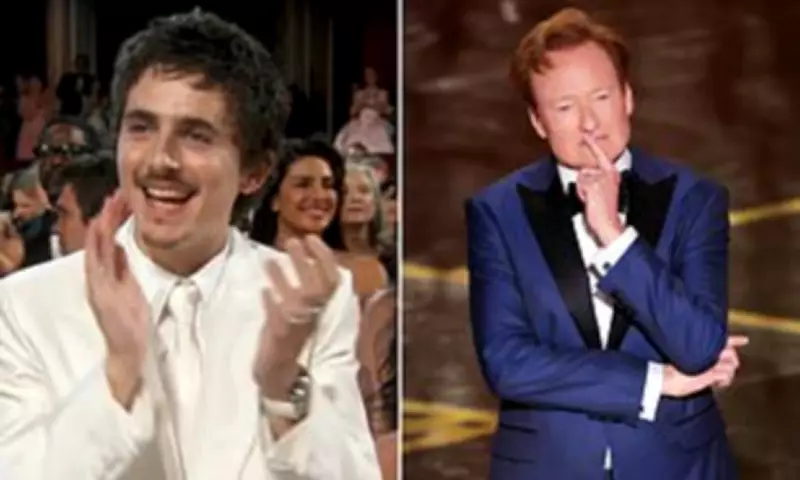
Oscars Under Fire: Calls to Axe Ceremony Grow Amid Boredom and Controversy
It is widely regarded as the most prestigious night in cinema, yet the Academy Awards are facing mounting pressure to be scrapped. Viewers expressed widespread boredom during Sunday night's ceremony, which many described as predictable and lacklustre. In a particularly uninspiring event, Oscars were awarded to figures such as Jessie Buckley, Amy Madigan, and Sean Penn, with the latter notably absent from the proceedings.
Dwindling Viewership and Social Media Backlash
Taking to social media platforms during the broadcast, audiences questioned the future of the Oscars, citing allegations of unfair voting practices and declining audience numbers. The ceremony has struggled to attract more than 20 million viewers since 2020, a stark contrast to previous decades when it consistently surpassed that milestone. In an effort to reclaim viewers, the Oscars will transition to YouTube in 2029, ending ABC's 50-year tenure as the broadcaster. This new partnership aims to expand global access to the Academy's work, but critics argue that more fundamental changes are needed to engage audiences.
Social media comments from this year's event highlighted the growing discontent. One user wrote, "Just cancel the Oscars at this point. Who cares?" while another added, "Please cancel the oscars #Oscars." Many described the show as "extremely boring" and "predictable," with jokes falling flat and a general sense of disinterest pervading the broadcast. Some viewers pointed out that the winners often mirrored those from other awards like the BAFTAs, further fuelling perceptions of predictability.
Ageism and Sexism Allegations Surface
Beyond the boredom, the Oscars have been accused of systemic biases. A notable example involved Timothee Chalamet, who was initially favoured to win Best Actor for his role in Marty Supreme but lost to Michael B. Jordan. Industry insiders suggest that Chalamet's age, at 30, played a role in his defeat, reflecting a broader trend where younger male actors are often overlooked. Over the past 97 ceremonies, the average age of a Best Actor winner is approximately 44, compared to 36 for Best Actress winners, indicating a significant gender disparity.
This bias has historical precedents. Leonardo DiCaprio did not secure his first Oscar until age 41, despite multiple nominations in his younger years. Similarly, Sean Penn won his first Oscar at 44 and has since accumulated three awards, including Best Supporting Actor at Sunday's ceremony for One Battle After Another. However, Penn's absence from the event sparked outrage, with host Kieran Culkin joking about his no-show. It was later revealed that Penn skipped the ceremony to visit Ukraine, where he has been involved in documentary work.
Diversity Initiatives and Viewer Discontent
The Academy has implemented diversity measures, such as the Aperture 2025 initiative and representation standards requiring Best Picture nominees to meet criteria focused on underrepresented groups. While intended to promote inclusivity, these changes have drawn criticism, with some voters reportedly refusing to participate and accusations that the ceremony has become "woke." Last year's event was blasted for its perceived overly political tones, further alienating audiences.
Additionally, concerns have been raised about the voting process itself. New guidelines require Academy members to attest that they have watched the films they vote on, but one voter anonymously admitted to ignoring many nominees, calling them "mediocre." This fuels claims that the Oscars are out of touch, with voters potentially relying on prior awards rather than personal viewing.
Future Prospects and Ongoing Challenges
As the Oscars grapple with these issues, the move to YouTube represents a significant shift in strategy. However, without addressing core problems like viewer engagement and perceived biases, the ceremony's relevance remains in doubt. The Academy has also introduced rules regarding artificial intelligence in filmmaking, aiming to balance innovation with human creativity, but it is unclear if these measures will restore the awards' prestige.
In summary, the Oscars are at a crossroads, facing calls for cancellation due to boring broadcasts, dwindling ratings, and controversies over ageism and sexism. While efforts to diversify and modernise are underway, the ceremony must evolve to recapture public interest and maintain its status as a cornerstone of the film industry.