Oman's Foreign Minister Brands Iran War as Trump's 'Greatest Miscalculation' in Scathing Attack
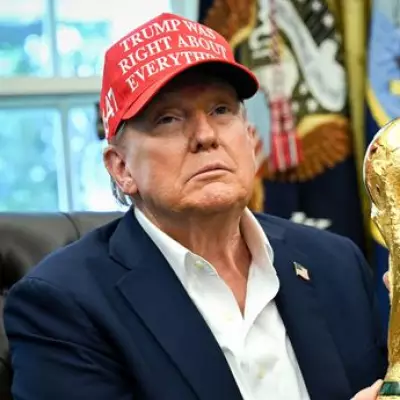
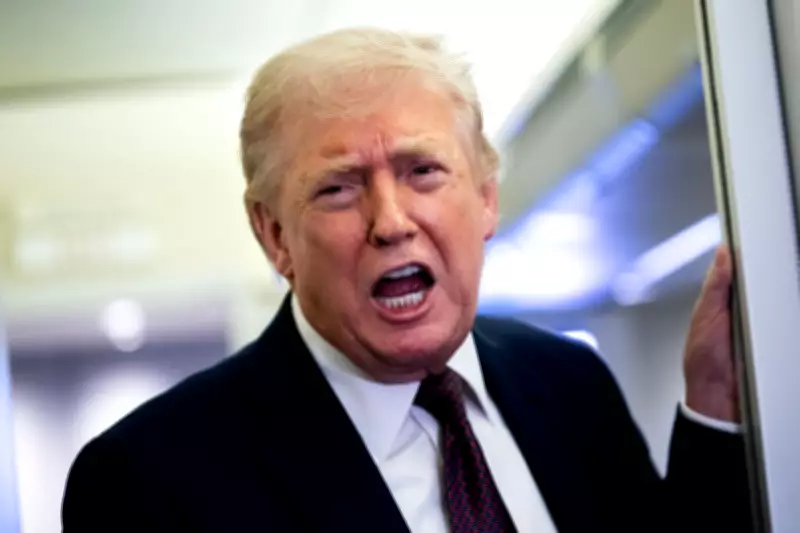
Oman's foreign minister, Badr Albusaidi, has launched a strong and direct criticism of US foreign policy concerning the ongoing conflict in Iran, labelling it a "greatest miscalculation" by former President Donald Trump. In a detailed opinion piece published in The Economist, Albusaidi expressed deep concerns over the escalating situation and its broader implications.
Urgent Calls for Diplomatic Pressure
Albusaidi urged Washington's allies to exert significant pressure on Trump to immediately end the conflict, emphasising that "this is not America’s war." He argued that the US involvement, particularly its support for Israel, is misguided and could lead to severe unintended consequences. The minister suggested that Israel's primary objective in the region is the overthrow of the Islamic Republic, a goal that would require a prolonged and costly military campaign, potentially involving US ground troops, which he views as contrary to American national interests.
Regional and Global Repercussions
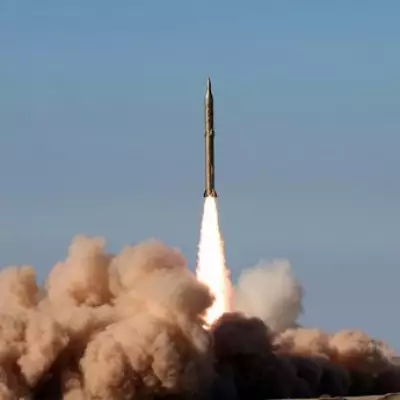
The conflict has already triggered retaliatory attacks by Iran across the Gulf region, targeting critical infrastructure such as oil and gas facilities, including strikes on Oman itself. These actions have caused significant disruptions in global energy markets, leading to volatility and supply concerns. Despite Trump's repeated calls for international assistance to reopen the strategically vital Strait of Hormuz, key Western leaders have shown reluctance to commit militarily.

International Response and Stability Concerns
German Chancellor Friedrich Merz and UK opposition leader Sir Keir Starmer have both publicly ruled out military intervention in the conflict. However, they have acknowledged the pressing need to ensure stability in oil markets to prevent further economic fallout. This stance highlights a growing divide between Trump's aggressive posture and the cautious approach of other global powers, who are prioritising diplomatic solutions over military escalation.
Albusaidi's remarks underscore a broader critique of US foreign policy under Trump, warning that continued involvement could exacerbate regional tensions and harm global stability. The situation remains fluid, with ongoing discussions among international stakeholders about how to address the crisis without deepening the conflict.