Oil Prices Fall After Trump Offers ‘15-Point’ Peace Plan and Rules Out Iran Nukes
The Pentagon reportedly ordered about 2,000 soldiers from the 82nd Airborne Division to begin moving to the Middle East. This development comes amidst a flurry of diplomatic activity aimed at ending the ongoing conflict between the United States and Iran.
Trump Claims Major Concession from Iran
Oil prices fell and stocks rose on Wednesday after former President Donald Trump declared he had sent a comprehensive peace plan to Iran. Trump asserted that Tehran had agreed it would never obtain a nuclear weapon, a statement that has not been independently verified by Iranian officials.
Brent crude fell approximately 7 per cent to below $100 a barrel, while West Texas Intermediate hovered near $87. The financial markets reacted positively to the prospect of de-escalation in the region.

Details of the Proposed Ceasefire
According to reports from US and Israeli media, the United States is proposing a month-long ceasefire to discuss the terms of a detailed 15-point plan. Key elements of this plan include:
- The dismantling of Iran's primary nuclear sites.
- The cessation of its uranium enrichment programme.
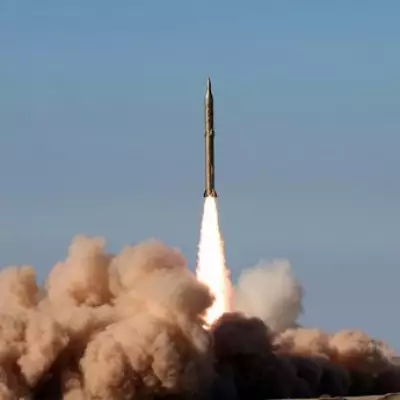
- A temporary halt to its ballistic missile programme.
- The reopening of the strategically vital Strait of Hormuz.
Trump, in his remarks, emphasized that Iran had acquiesced to his central demand. “They’ve agreed,” he stated. “They will never have a nuclear weapon. They’ve agreed to that.” However, Tehran has not released any information confirming this alleged concession and has previously denied engaging in talks with the US.
Military Buildup Amidst Diplomacy
Despite the diplomatic overtures, the United States is simultaneously bolstering its military presence in the Middle East. The New York Times, citing defence officials, reported that the Pentagon has directed around 2,000 soldiers from the 82nd Airborne Division to commence movement to the region. This brigade is capable of deploying paratroopers and equipment globally within 18 hours.
This troop movement has raised concerns among some former officials. Major Harrison Mann, a former executive director of the US Defense Intelligence Agency, expressed apprehension that American service members might be sent to “die for no reason.” He criticized the administration's discussed options for employing these troops as “foolhardy and dangerous.”
Regional and International Reactions
The proposed peace plan and ongoing conflict have triggered a range of international responses:
- Pakistan has offered to host ceasefire talks as early as next week, with Prime Minister Shehbaz Sharif stating Islamabad is ready to facilitate meaningful discussions. US special envoy Steve Witkoff and Trump's son-in-law Jared Kushner are expected to represent the United States, though reports suggest Iran would prefer to negotiate with Vice President JD Vance.
- The Philippines declared a state of national energy emergency in response to the Middle East conflict, citing threats to its energy supply. In a significant move, Manila received its first shipment of Russian crude oil in five years, seeking alternative sources amidst market volatility.
- Kuwait reported a fire at its international airport after drones struck a fuel tank, with authorities stating damage was limited and there were no casualties. The Kuwait National Guard claimed to have intercepted six drones.
Political and Strategic Context
The diplomatic push occurs against a backdrop of continued political maneuvering in Washington. A War Powers resolution, which would have required congressional approval for further attacks on Iran, failed to advance in the US Senate for the third time, falling in a 47-53 vote.
Critics of the administration's strategy remain vocal. John Bolton, Trump's former national security adviser, warned that without regime change in Tehran, Iran would inevitably return to pursuing nuclear weapons and supporting terrorism. “The regime will change when the ayatollahs and Revolutionary Guard are gone, and we’re not at that point yet,” Bolton asserted.

The situation remains fluid, with markets closely watching the interplay between military deployments and diplomatic initiatives. The success of the proposed 15-point plan and the potential for sustained peace in the region hinge on forthcoming negotiations and verifiable actions from all parties involved.