Global Nuclear War Fears Intensify as Trump's Actions Heighten Global Tensions
Nuclear War Fears Rise Amid Trump's Global Conflicts

Nuclear War Fears Reach Fever Pitch Amid Global Conflicts

Concerns about nuclear war are escalating to unprecedented levels, with experts and media outlets increasingly discussing the possibility of global Armageddon. The election of Donald Trump for a second term has intensified these fears, as his actions and rhetoric contribute to a volatile international landscape.

Escalating Threats and Expert Warnings

In December 2024, Newsweek published a map highlighting the "safest US states to live during nuclear war," but the article offered little comfort. A senior policy director from the Center for Arms Control and Non-Proliferation emphasized that "nowhere is truly 'safe'" from consequences like food and water contamination or prolonged radiation exposure. Another expert noted that even a "small" nuclear war could kill at least a billion people.

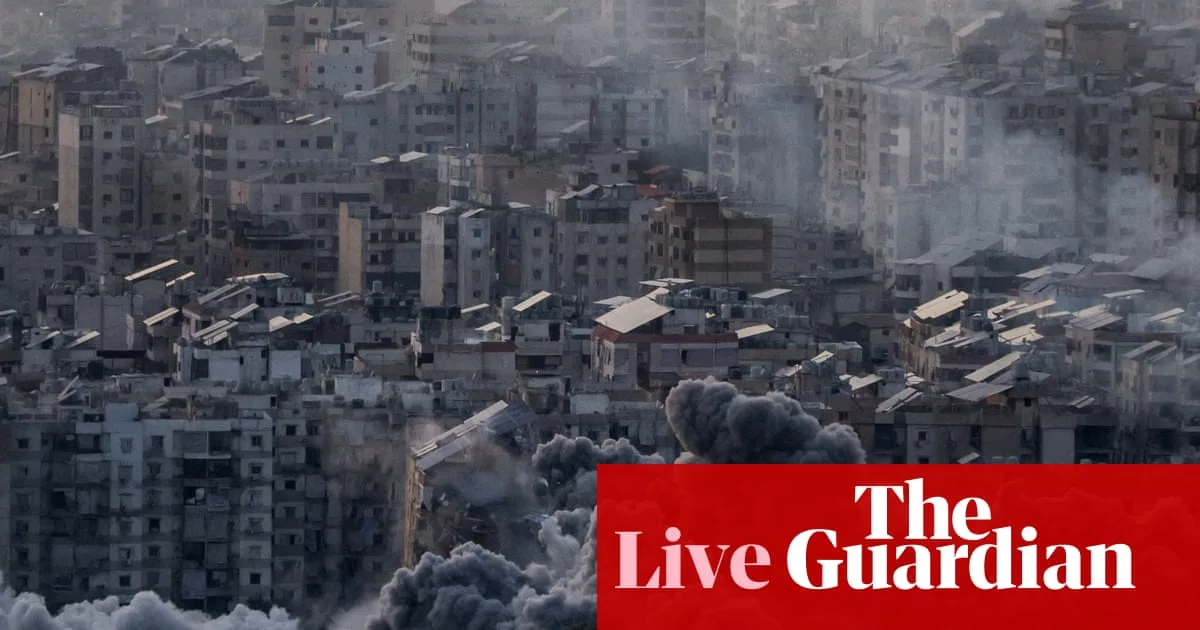
Since 28 February, when the US and Israel began bombarding Iran, discussions about world war have surged. From anonymous social media users to Harvard policy analysts, many are weighing in on the growing crisis.

Wide Pickt banner — collaborative shopping lists app for Telegram, phone mockup with grocery list

Global War Scenarios and Military Buildups

Columbia University economist Jeffrey Sachs, in a conversation with Norwegian political scientist Glenn Diesen, listed multiple current or potential war zones, including Ukraine and Cuba. Sachs concluded, "We are probably in the early days of World War III." Meanwhile, after reports that Russia is providing Iran with intelligence on US military positions, historian Niall Ferguson told CBS News that while World War III is not likely, "it's not a crazy question."

China is increasing its defense spending to compete with the US, and Europe has adopted a more hawkish stance on nuclear weapons in response to Russian aggression and Trump's ambitions. France and Britain recently sent defensive warships to the eastern Mediterranean, with Macron announcing plans for ten more. Australia deployed a reconnaissance aircraft to protect Gulf airspace, and Axios identified nine additional countries, such as Russia and North Korea, that might soon become involved.

Trump's Role in Heightening Risks

Donald Trump's actions have significantly contributed to the nuclear threat. He has militarized immigration enforcement and launched the Shield of the Americas, potentially transforming the war on drugs into a literal combat zone. At a Florida summit, he offered missiles to Latin American attendees, boasting about their accuracy with chilling enthusiasm.

Trump's relationship with nuclear weapons has been inconsistent. In 2017, he responded to North Korea's nuclear tests by moving aircraft carriers into Korean waters and threatening "fire and fury." He later withdrew the US from the Iran nuclear deal, failing to negotiate a replacement, which many argue led to the current conflict. Although he once questioned the need for new nuclear weapons, he allowed the New Start treaty with Russia to expire last month, a move UN secretary-general António Guterres called a "grave moment" that raises nuclear war risks to their highest in decades.

Public Response and Disaster Preparedness

As fears mount, public discourse has shifted from denial to acceptance of nuclear annihilation. Media outlets are publishing survival guides, with headlines like "Amid WW3 'fears,' how safe is PA, DE in nuclear attack?" offering advice on fallout maps and target lists. The Washington Post advises on "war-proofing" budgets, while other sources treat nuclear winter like a major snowstorm.

Businesses are capitalizing on the anxiety, such as a Texan manufacturer of nuclear-resistant bunkers seeing a boom in sales. These shelters, described with a disturbingly breezy tone, range from multi-million-dollar compounds to budget-friendly options, complete with amenities like cinemas and swimming pools. Online prediction markets have even taken bets on nuclear detonation, though public outcry forced their removal.

A Call for Vigilance Over Acceptance

Dark humor may arise in these times, but there is nothing amusing about the world's most powerful leader making existential decisions while appearing unperturbed or even titillated by destruction. Denial of the worst outcomes is unacceptable, but so is passive acceptance. As the risk of Armageddon looms, closure is the last thing humanity needs, urging continued vigilance and action to prevent catastrophe.

Pickt after-article banner — collaborative shopping lists app with family illustration




