
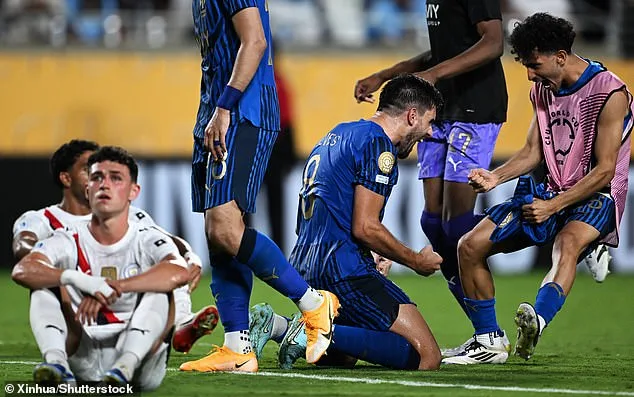
Manchester City's dominance was dealt a significant blow on Monday night as they lost 4-3 to Saudi Arabian side Al Hilal in the Club World Cup in Orlando, Florida. The defeat highlighted the growing challenge from Saudi state-owned clubs, which are employing the same petrodollar model that transformed City 17 years ago.
The match, played in a tournament described as a 'Saudi-subsidised nonsense' with one million empty seats in the group stage, saw Al Hilal deliver a sharp counter-attacking performance. Key players Ruben Neves, Kalidou Koulibaly, Brazilian Malcom, and goalkeeper Yassine Bounou were instrumental in the victory, leaving City looking sluggish and vulnerable.
The result has shifted Middle Eastern bragging rights to Saudi Arabia, adding to a difficult period for Abu Dhabi, City's owners. A recent New York Times report alleged that City's owner, Sheik Mansour bin Zayed al-Nahyan, has played a central role in supporting a Sudanese army commander implicated in a humanitarian crisis, part of a broader Emirati push for influence in Africa.
City now await the outcome of the Premier League's case against them on 130 charges of financial impropriety. The club's chairman, Khaldoon al-Mubarak, is expected to frame any adverse findings as prejudice against Abu Dhabi's challenge to the football establishment. However, with Qatari-owned PSG having won the Champions League after 14 years and Saudi clubs rising rapidly, City's position as the leading Gulf-backed club is under threat.




