Rubio's Candid Remark Exposes Netanyahu's Strategic Position in Iran Conflict
Amid the swirling contradictions and official denials surrounding the escalating Iran conflict, a single admission from US Secretary of State Marco Rubio has provided perhaps the clearest insight yet into how this dangerous war began. According to Donald Macintyre's analysis, this revelation also suggests why achieving a swift resolution may prove exceptionally challenging for the involved parties.
The Contradictory Statements from Washington
The Iran war has generated a dizzying array of conflicting statements from Washington officials, creating confusion about the true sequence of events. However, one particular remark from Secretary of State Marco Rubio continues to resonate powerfully despite subsequent attempts to retract it. Rubio bluntly admitted that the United States joined the military onslaught against Iran on February 28th because American intelligence indicated Israel was preparing to strike Iran imminently.
This momentary candor from the secretary of state revealed something profoundly uncomfortable about the conflict's origins. More significantly, it hinted at which leader might ultimately determine when hostilities finally cease, regardless of public declarations about allied unity.

The Political Dance Between Washington and Jerusalem
Following his initial statement, Rubio predictably attempted to walk back his remarks. This retraction became particularly necessary after President Donald Trump himself suggested the dynamic had actually involved the United States leading Israel into war rather than responding to Israeli intentions. Yet the question remains: why would Rubio have made such a specific claim if it lacked foundation in reality?
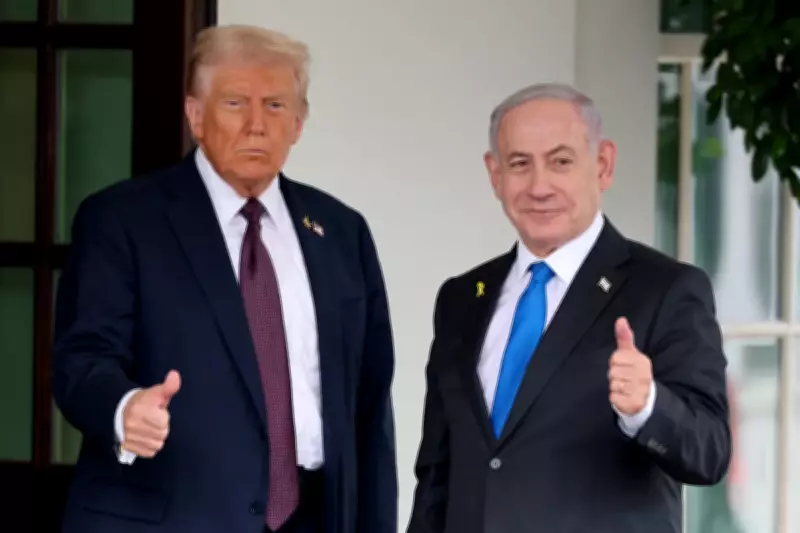
This question gains additional weight when considering a carefully sourced New York Times report suggesting Israeli Prime Minister Benjamin Netanyahu had actively "spurred" President Trump to choose military action over continued diplomatic negotiations with Iran. While historians may eventually uncover the precise details of exchanges between Netanyahu and Trump preceding the conflict, the circumstantial evidence strongly supports Rubio's original interpretation as highly plausible.
Diverging Political Interests Between Allies
Despite repeated declarations of inseparable alliance between Trump and Netanyahu, their political interests regarding the war's outcome and duration clearly diverge. This divergence became strikingly apparent when Trump declared on Monday that the conflict was "very much complete – pretty much," only to receive an implicit rebuke from Netanyahu, who countered: "We're not done yet."
True to his characteristic style, Trump then contradicted himself within hours, stating: "We could go further. And we're going to go further." He further threatened that if Iran halted oil flow through the Strait of Hormuz – already effectively blocked by the conflict – the response would be "20 times harder," a threat that seems implausible short of nuclear escalation.
Market Reactions and Domestic Political Calculations
Financial markets appeared more responsive to Trump's initial suggestion of war completion than his subsequent escalatory rhetoric, with crude oil prices dropping from a historic surge to $120 per barrel down to approximately $90. This market movement essentially represented a bet that Trump desires a relatively swift conclusion to hostilities.
Compelling domestic reasons support this interpretation. In the United States, recent polling data reveals that far more voters disapprove of the strikes against Iran (43 percent) than approve (29 percent). Growing concerns among Republicans about potential adverse effects on mid-term election prospects, particularly if elevated petrol prices persist, further complicate Trump's political calculus.
Netanyahu's Domestic Advantages
In stark contrast, Israeli public opinion overwhelmingly supports the military action, with approval exceeding 80 percent. For Netanyahu, even a prolonged conflict appears to present minimal political risk. The current casualty figures – 13 Israeli civilians over 13 days, compared to 28 during the 12-day June 2025 conflict with Iran – remain politically manageable from his perspective.

A continuing state of emergency offers Netanyahu additional domestic advantages. This situation could potentially delay progress in his ongoing criminal trial on corruption charges, which he continues to deny. Furthermore, it might postpone establishment of a Commission of Inquiry investigating security failures preceding Hamas's devastating attack on Israel 29 months earlier.
Strategic Diversion from Other Issues
The Iran conflict generates another significant political dividend for the Israeli leader. With international attention firmly focused on the war with Iran, scrutiny inevitably shifts away from Gaza. Since the October ceasefire, United Nations reports indicate more than 509 Palestinians have been killed in Gaza, while violence and settlement expansion continue reshaping realities in the West Bank.
All these developments potentially benefit Netanyahu politically. Regarding Iran – and by extension Israel's consequent conflict with Hezbollah in Lebanon – determining which leader currently holds the upper hand remains challenging. Even as reports emerged that US officials were urging an exit strategy on President Trump, the Wall Street Journal this week quoted sources suggesting halting the war would prove difficult if Iran continued attacking regional targets while Israel preferred to continue hostilities.
The Ultimate Decision-Making Power
Netanyahu understands he cannot indefinitely prolong the conflict if Trump decides to halt American involvement and denies Israel the weaponry and funding necessary for continued operations. Should this scenario unfold, Netanyahu possesses world-class political skills to promote the narrative that he sought to reshape the Middle East but American reluctance prevented this outcome.
Regardless of the eventual resolution, one conclusion seems increasingly evident: whoever finally calls a halt to this dangerous conflict, it likely will not be the leader Rubio so clearly suggested initiated it in the first place. The political dynamics revealed by Rubio's admission continue to shape the war's trajectory in ways that may extend hostilities beyond what either population might desire.