

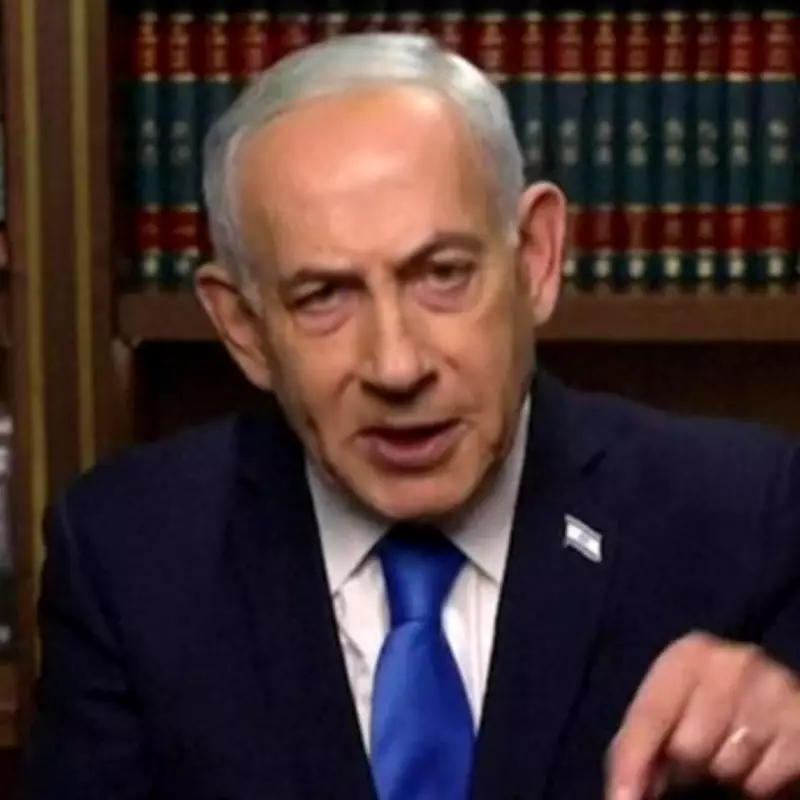
Netanyahu's Direct Appeal to Iranian Citizens Following Military Strikes
Israeli Prime Minister Benjamin Netanyahu has delivered a stark and provocative message to the people of Iran, urging them to seize what he described as a historic opportunity to overthrow their government. This dramatic plea came after a day of intense military action across the Middle East, marked by coordinated attacks and retaliatory strikes that have escalated regional tensions to dangerous new levels.
Coordinated Military Operations and Regional Fallout
The conflict escalated dramatically when United States and Israeli forces launched a joint military operation against multiple Iranian targets at approximately 9:30 AM Tehran time, which corresponds to 6:00 AM Greenwich Mean Time. These precision strikes focused on the Iranian capital alongside several other major cities, representing a significant escalation in the ongoing geopolitical confrontation between these nations.
Iran responded swiftly with a series of retaliatory attacks targeting American and Israeli military installations throughout the Middle East. Notably, these counterstrikes extended beyond traditional conflict zones to include popular tourist destinations such as the United Arab Emirates and Qatar, raising concerns about the conflict's potential to disrupt regional stability and international travel.

Netanyahu's Fiery Call for Regime Change
In a televised address following the day's hostilities, Netanyahu made an unprecedented direct appeal to Iranian citizens, framing the current military situation as a unique moment for political transformation. The Israeli leader declared, "This is an opportunity, do something do not sit with your arms crossed because this moment will come and you will be demanded to go out to the street in the masses because you have to complete this work and you have to bring down and eradicate this regime."
Netanyahu continued with words of encouragement, stating, "Your suffering and your sacrifice will not be in vain. We promised you the help and the help has arrived and now the time has come to reunite all of you." This rhetoric represents a significant departure from conventional diplomatic language, directly encouraging civil unrest within another sovereign nation.
Conflicting Reports About Iran's Supreme Leader
The Israeli prime minister further intensified the situation by suggesting that Iran's Supreme Leader Ayatollah Ali Khamenei might have been killed during the day's military operations. Netanyahu pointed to what he described as "signs" indicating the religious leader was "no longer," though he stopped short of making a definitive declaration about Khamenei's status.
Visual evidence from the attacks showed at least four buildings within Khamenei's official compound sustaining significant damage, fueling speculation about potential casualties among Iran's leadership. These images circulated widely across international media platforms, adding to the uncertainty surrounding the supreme leader's condition.
Contradictory Statements from World Leaders
Former United States President Donald Trump appeared to confirm Khamenei's death through a post on his Truth Social platform. Trump wrote, "Khamenei, one of the most evil people in History, is dead. This is not only Justice for the people of Iran, but for all Great Americans, and those people from many Countries throughout the World, that have been killed or mutilated by Khamenei and his gang of bloodthirsty THUGS."
The former president credited sophisticated intelligence and tracking systems developed through close cooperation with Israel, claiming, "He was unable to avoid our Intelligence and Highly Sophisticated Tracking Systems and, working closely with Israel, there was not a thing he, or the other leaders that have been killed along with him, could do. This is the single greatest chance for the Iranian people to take back their Country."
Official Iranian Response and Denials
Despite these claims from Western leaders, Iranian officials have maintained that their supreme leader remains alive. Foreign Minister Abbas Araghchi addressed international media this evening, specifically telling NBC News that while Iran "may have lost one or two commanders" during the day's military engagements, the supreme leader had definitely not been killed.

This contradictory information has created significant confusion about the actual situation on the ground in Iran, with conflicting narratives emerging from different sides of the conflict. The Iranian government's insistence on Khamenei's survival stands in stark contrast to the suggestions made by both Netanyahu and Trump, leaving the international community uncertain about the true status of Iran's leadership.
Regional Implications and Future Uncertainty
The day's events represent a dangerous escalation in Middle Eastern tensions, with direct military confrontations between major regional powers now extending beyond proxy conflicts to include direct strikes on sovereign territory. The involvement of popular tourist destinations in the retaliatory attacks raises particular concerns about the conflict's potential to disrupt international travel and economic stability throughout the Gulf region.
Netanyahu's unprecedented call for regime change within Iran marks a significant shift in Israeli foreign policy rhetoric, moving from conventional military and diplomatic pressure to direct encouragement of internal political revolution. This approach carries substantial risks for regional stability and could potentially trigger broader unrest throughout the Middle East.
As conflicting reports continue to circulate about the fate of Iran's leadership and the extent of damage from today's military operations, the international community faces mounting uncertainty about how this rapidly evolving situation will develop in the coming days and weeks.





