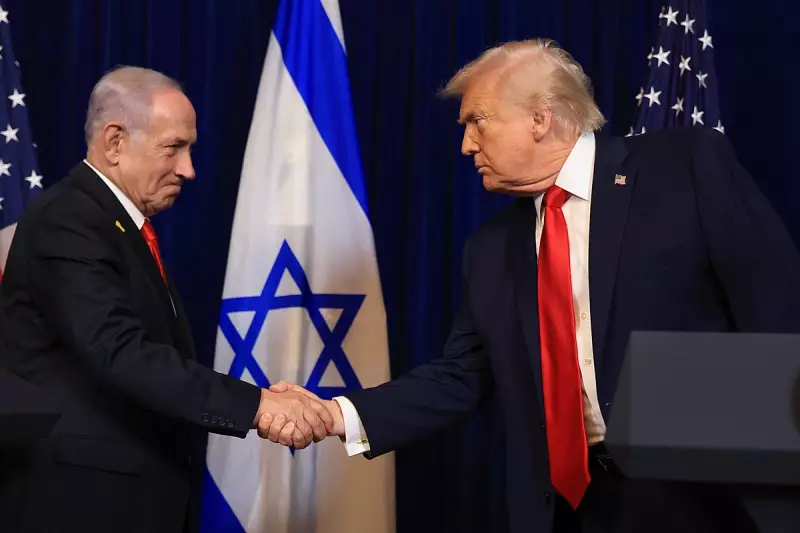
Israeli Prime Minister Benjamin Netanyahu has formally accepted an invitation from former US President Donald Trump to join a newly proposed international diplomatic initiative known as the 'Board of Peace'. The acceptance was confirmed by Netanyahu's office on Wednesday, marking a significant development in efforts to address the protracted conflict in Gaza.
Initiative Aims for Gaza Resolution First
The 'Board of Peace' initiative, first unveiled by Trump in September of last year, has a stated primary objective of facilitating a resolution to the Gaza conflict. According to the proposal's framework, once progress is made on the Gaza front, the board would then expand its mandate to address other international disputes and flashpoints around the globe. This phased approach is designed to build diplomatic momentum.
International Participation and Invitations
The initiative has already garnered support from a diverse group of nations. Alongside Israel, countries including the United Arab Emirates, Morocco, Vietnam, Kazakhstan, Hungary, Argentina, and Belarus have agreed to participate in the 'Board of Peace'. This indicates a broad, if unconventional, coalition willing to engage with Trump's diplomatic concept.

Furthermore, invitations have been extended to several other key international players. Canada, Egypt, Turkey, Russia, and India have all received offers to join the board, as has the European Union as a bloc. The response from these invited parties remains under consideration, with their potential involvement seen as crucial for the board's credibility and effectiveness.
Diplomatic Context and Previous Criticisms
Netanyahu's decision to join comes despite previous reservations expressed by his government regarding US-led efforts on Gaza. Earlier, Israeli officials had voiced criticism over the composition of a separate entity called the Gaza Executive Board, which was announced by the current US administration. The acceptance of Trump's parallel initiative suggests a strategic diplomatic manoeuvre by Israel.
Meanwhile, early indications suggest that France is currently unlikely to participate in the 'Board of Peace', potentially reflecting divisions within Western diplomatic circles about the initiative's structure and leadership.
Broader Implications for Middle East Diplomacy
The formation of this board, spearheaded by a former US president, introduces a new and potentially complicating factor into the already complex landscape of Middle East peace efforts. Its success will likely depend on the active cooperation of major regional powers and the alignment of its goals with existing diplomatic frameworks.
As negotiations continue regarding the board's precise terms of reference and operational mechanisms, the international community will be watching closely to see if this novel approach can generate tangible progress towards peace in Gaza and beyond.