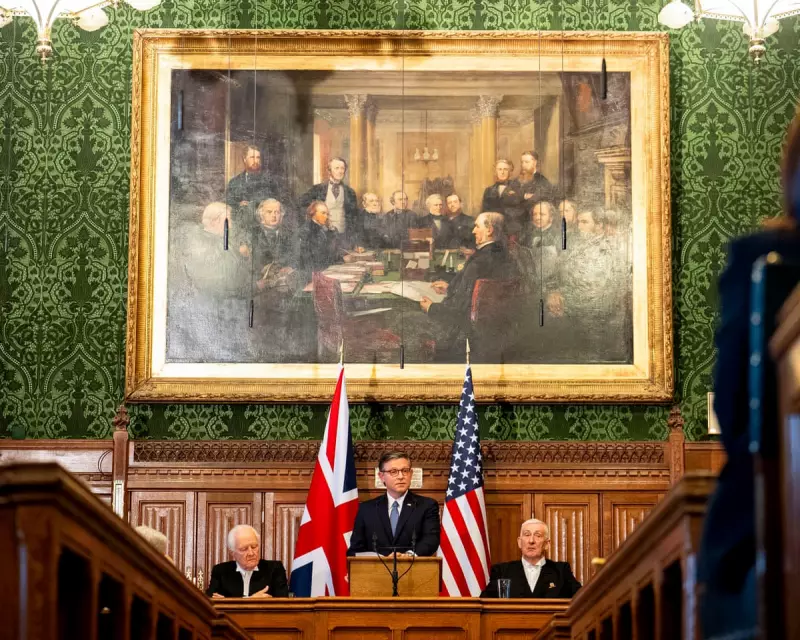
In a display of diplomatic theatre that underscored the current complexities of transatlantic relations, US House Speaker Mike Johnson delivered an address to a joint session of the UK Parliament. The event, held in committee room 14 at 9.30am, was notably not at full capacity, with numerous empty seats dotting the chamber. This setting provided a stark backdrop to a speech that attempted to project unity while navigating the turbulent waters created by former President Donald Trump's latest outbursts.
The Context: Trump's Provocations and Diplomatic Tensions
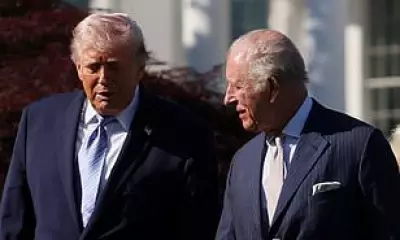
The visit occurred against a backdrop of renewed diplomatic friction. Just a day after Prime Minister Keir Starmer had advocated for calm diplomacy regarding US interests, Donald Trump took to his Truth Social platform to lambast the UK leader. In a characteristic reversal, Trump denounced the Chagos Islands deal, which he had previously endorsed, demonstrating the volatile nature of his foreign policy pronouncements.
This pattern of inconsistency extended to other international relationships, with Trump threatening France with massive tariffs and continuing his erratic commentary on global affairs. The world appeared, as one observer noted, "one step closer to chaos," making Johnson's mission of reassurance all the more challenging.

A Speaker in Diminished Circumstances
Mike Johnson's political standing has undergone significant transformation. Once considered one of Trump's "useful idiots" during the efforts to overturn the 2020 election, the Louisiana Republican now appears to occupy a diminished role. With the prospect of Democratic gains in the upcoming midterm elections, Johnson's utility to the Trump movement seems increasingly questionable, reducing him to what critics might term "The Contented Halfwit" – a figure going through the motions of his official duties.
The atmosphere in the committee room reflected this awkward dynamic. Attendees maintained what one might call "enforced jollity," carefully avoiding discussion of the elephant in the room: the growing disconnect between official US diplomatic positions and Trump's inflammatory rhetoric. The scene evoked comparisons to a wedding where guests politely ignore embarrassing family drama.
The Address: Platitudes and Unacknowledged Contradictions
Johnson began with customary parliamentary pleasantries, including a light-hearted dig at Commons Speaker Lindsay Hoyle's verbosity. He expressed gratitude for the opportunity to address the assembly, though whether his thanks for speaking to a three-quarters-full room at an early hour contained genuine appreciation or subtle sarcasm remained ambiguous.
The substantive portion of his speech offered praise for Starmer's diplomatic approach, describing it as "well judged" and emphasizing the importance of working "through our differences calmly." This sentiment contrasted sharply with the reality of Trump's confrontational style, creating what one observer described as a "rose-tinted blur" of diplomatic platitudes.
Unintentional Ironies and Selective Awareness
Throughout his address, Johnson repeatedly emphasized themes of freedom, human rights, and opposition to tyranny, apparently unaware of the irony given current developments in American politics. He spoke of the Declaration of Independence not being "a repudiation of Britain," a historical interpretation that left some listeners perplexed about basic revolutionary history.
Notably absent was any substantive engagement with controversial aspects of US policy, including immigration enforcement practices or the domestic implications of Trump's rhetoric. Johnson maintained what appeared to be a studied ignorance of inconvenient realities, assuming perhaps that his audience wouldn't connect the dots between his lofty principles and their practical violations.
The Aftermath: Returning to Reality
As Johnson concluded his address, attendees were left to reconcile the gap between diplomatic formalities and political realities. The speech, which one critic suggested could have been generated by AI requesting "a feelgood speech for the Brits," ultimately highlighted rather than bridged the growing divides in the special relationship.

The event served as a microcosm of contemporary US-UK relations: ceremonial observance of diplomatic norms overshadowed by the unpredictable interventions of a former president who continues to dominate political discourse on both sides of the Atlantic. As participants filed out of committee room 14, they returned to a world where Mike Johnson's calming words competed with Donald Trump's disruptive actions in the ongoing drama of international politics.